





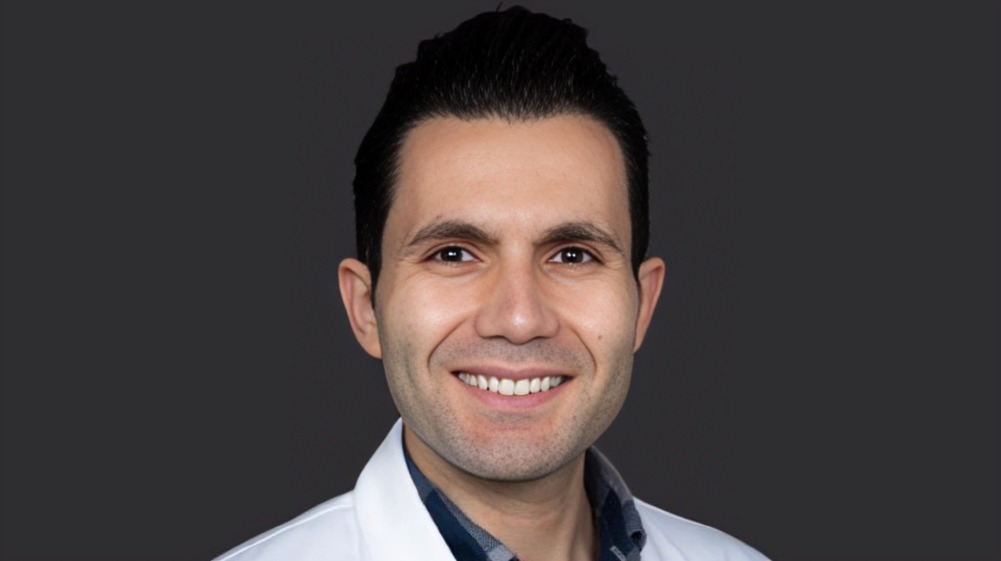
Roupen Odabashian, Hematology/Oncology Fellow at the Karmanos Cancer Institute, shared a post on LinkedIn:
“Sometimes the most useful thing you can do with these tools is stop trying to help them.
Here is what happened. I saw an ad for a Codex plugin you could supposedly teach to upload videos to YouTube. So I tried to teach it. I walked it through the steps, gave it the setup, did the thing you are supposed to do. It didn’t work.
Then I went to Claude Cowork and gave it nothing. No instructions, no walkthrough, no examples. I just pointed it at the video and told it where the captions were. It uploaded the video. Zero shot, first try.
Sit with how backwards that is. The careful, taught approach failed. The ‘here, just do it’ approach worked.
I think a lot of us are still carrying an instinct from an older era of software. You configure the tool. You specify every step. You handhold it through the process because the machine only knows exactly what you told it. That was the correct mental model for a long time.
It is increasingly the wrong one.
These models often already know how to do the thing. The capability is sitting there, latent, waiting for you to ask. And our instinct to teach, to scaffold, to break it into baby steps, can actually be the thing that gets in the way. You end up forcing it down your narrow idea of how the task should go, when left to its own devices it would have found a cleaner path you never would have thought to write.
The teaching wasn’t help. The teaching was the constraint.
So the practical lesson is almost embarrassingly simple. Try zero-shot first. Before you write the elaborate prompt, before you build the careful example set, just describe what you want and point at the inputs. See if it already knows. A surprising amount of the time, it does.
The deeper and stranger lesson is that we don’t actually know what these tools can do. We keep assuming the boundary is somewhere close, so we rush in to assist. But the boundary is often further out than we think, and our assistance is hiding it from us.
Sometimes discovery beats instruction. We are going to have to get comfortable finding out where the edge actually is, instead of assuming we already know.”
Other articles about AI on OncoDaily.