





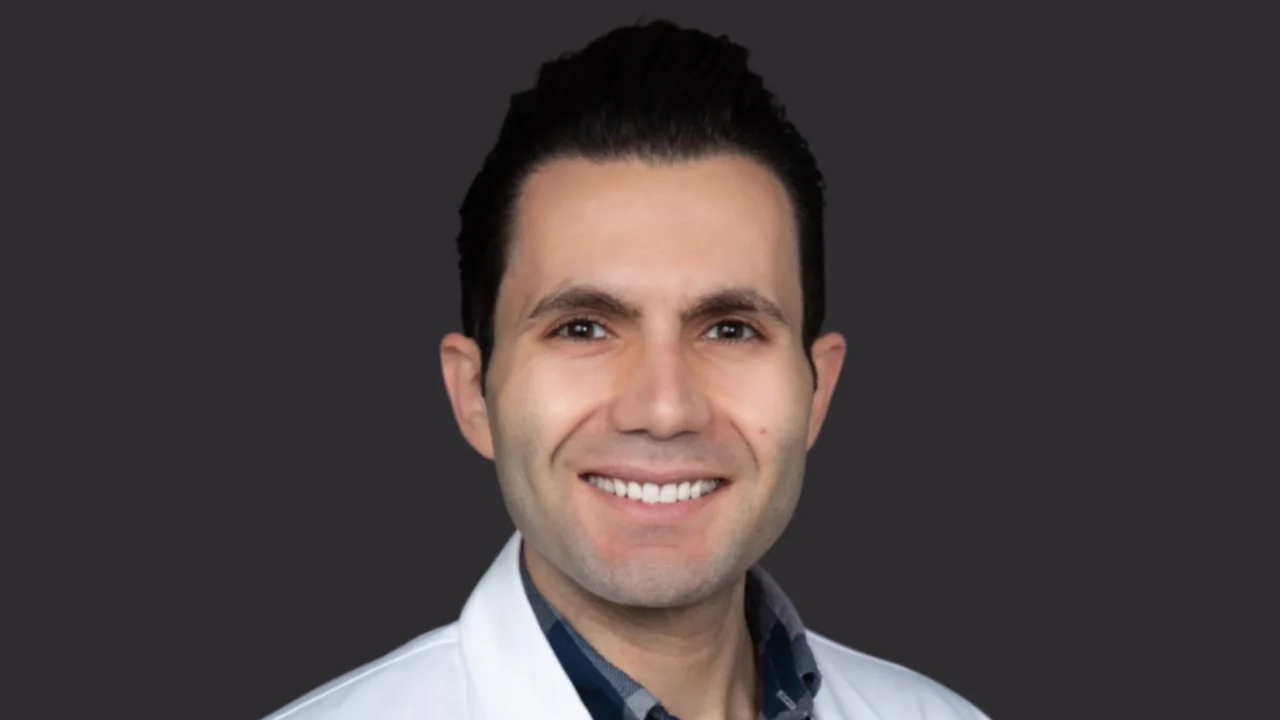
Roupen Odabashian, Hematology/Oncology Fellow at the Karmanos Cancer Institute, shared a post on LinkedIn:
“Physicians aren’t resistant to technology. They’re resistant to workflow disruption!
Every morning I wake up excited about new AI tools in healthcare. Then I get to work and face a different reality.
The common narrative: “Physicians are tech-averse. They don’t want to change.”
But that’s not what’s happening.
Here’s what I see on the ground:
A physician’s workflow is deeply ingrained:
Round on 20 patients: review charts, check labs, and examine each one
Write notes for all 40. Complete billing. Each physician might do this, but with some variations. For example, some might round and take notes immediately, while others might do so after rounding. Some submit billing the same day, and some submit billing the next day or the end of the week.
This isn’t random. It’s a behavioral pattern built over years that reliably produces outcomes. Taking into account that it might get some tweaks as physicians’ expertise increases.
When you introduce a “helpful” AI tool that requires opening a separate dashboard, copying data, or changing the sequence—even if it promises efficiency—it breaks the pattern.
And broken patterns feel risky when patient care is on the line.
The real problem:
- Tech companies treat workflow integration as an afterthought.
- They optimize for impressive demos, not behavioral change.
- They test accuracy on benchmarks, not adoption in exam rooms.
What’s missing: Behavioral scientists on the product team.
Not as advisors. As core team members who understand:
- How to introduce new behaviors with minimal friction
- How to sequence changes so physicians don’t notice the transition
- How to make the new workflow feel safer than the old one
The best healthcare tools don’t add steps. They disappear into existing workflows—or redesign them so gradually that adoption feels inevitable, not disruptive.
Bottom line:
If your healthcare AI fails, it’s probably not because physicians hate technology.
It’s because you didn’t respect their workflow.
What’s one workflow change you’ve seen physicians actually adopt? What made it work?”
More posts featuring Roupen Odabashian on OncoDaily.