





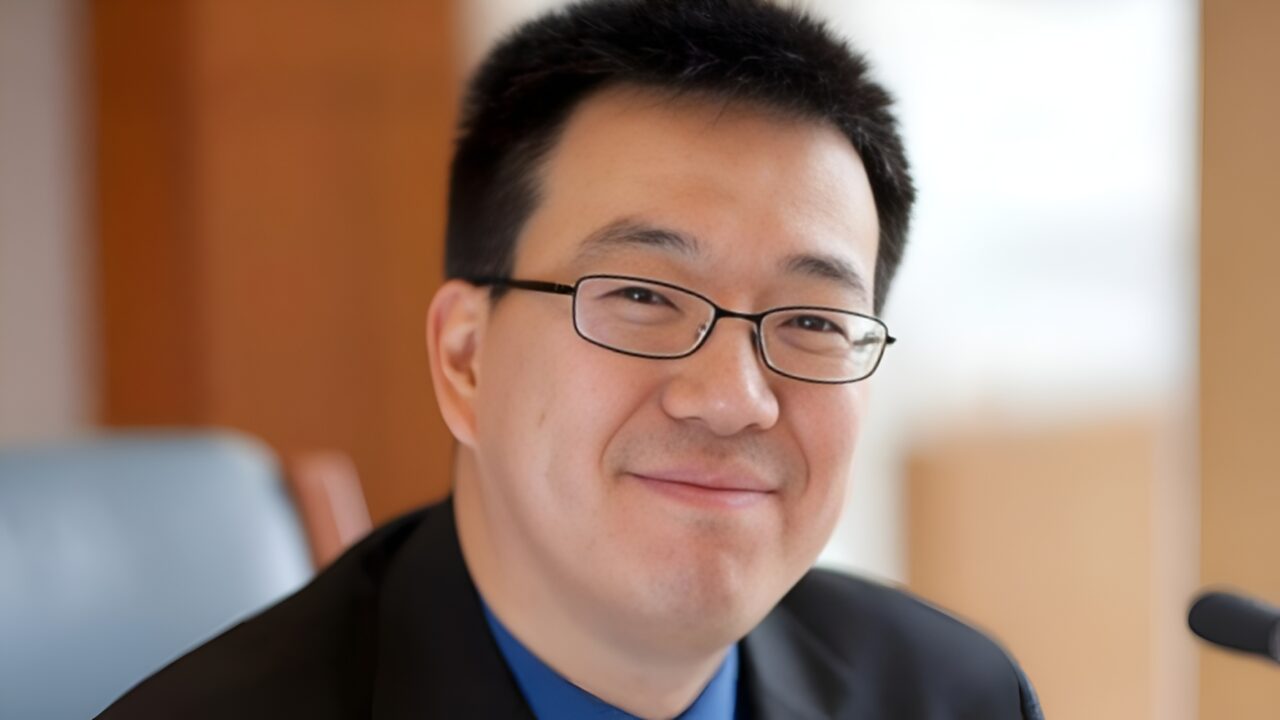
Ronald Chen, Professor and Chair of the Department of Radiation Oncology at the University of Kansas Medical Center, shared a post on LinkedIn:
“Cancer patients often experience symptoms and side effects during treatment, which can linger long afterwards.
Currently, patients and their physicians typically have a conversation about their symptoms during their regularly scheduled appointments. But assessing symptoms more systematically, such as with a formal symptom survey, can produce more accurate results.
Here’s why:
- Physicians are often rushed with busy clinics and things can get missed in regular conversation.
- The most-relevant questions can be missed.
- It’s easy for patients (and any human!) to default to our natural responses – ‘I’m good’ or ‘I’m doing fine’ – when they might not actually be.
We want to capture how patients are really doing, and having the right systems in place help us do that. Multiple studies have consistently shown that systematically assessing patient symptoms with a survey as part of clinical care — along with regular patient-physician conversations — can capture symptoms and side effects more accurately. Which means they can then be addressed in a timely way.
This leads to better patient quality of life. It reduces the need for emergency room visits, allows patients to better tolerate their cancer treatments and even leads cancer patients to live longer. This is something that we are doing here in radiation oncology at The University of Kansas Cancer Center. We care about treating cancer, as well as taking care of the patient and their quality of life.
We’ve been doing this for several years now and are teaching other cancer centers how they can do this successfully, too.”
Other articles featuring Ronald Chen.