Robert Martin, Professor of Surgery at University of Louisville Physicians, shared a post on LinkedIn:
“A Tumor-Informed ctDNA Assay Predicts Survival in Pancreatic Cancer
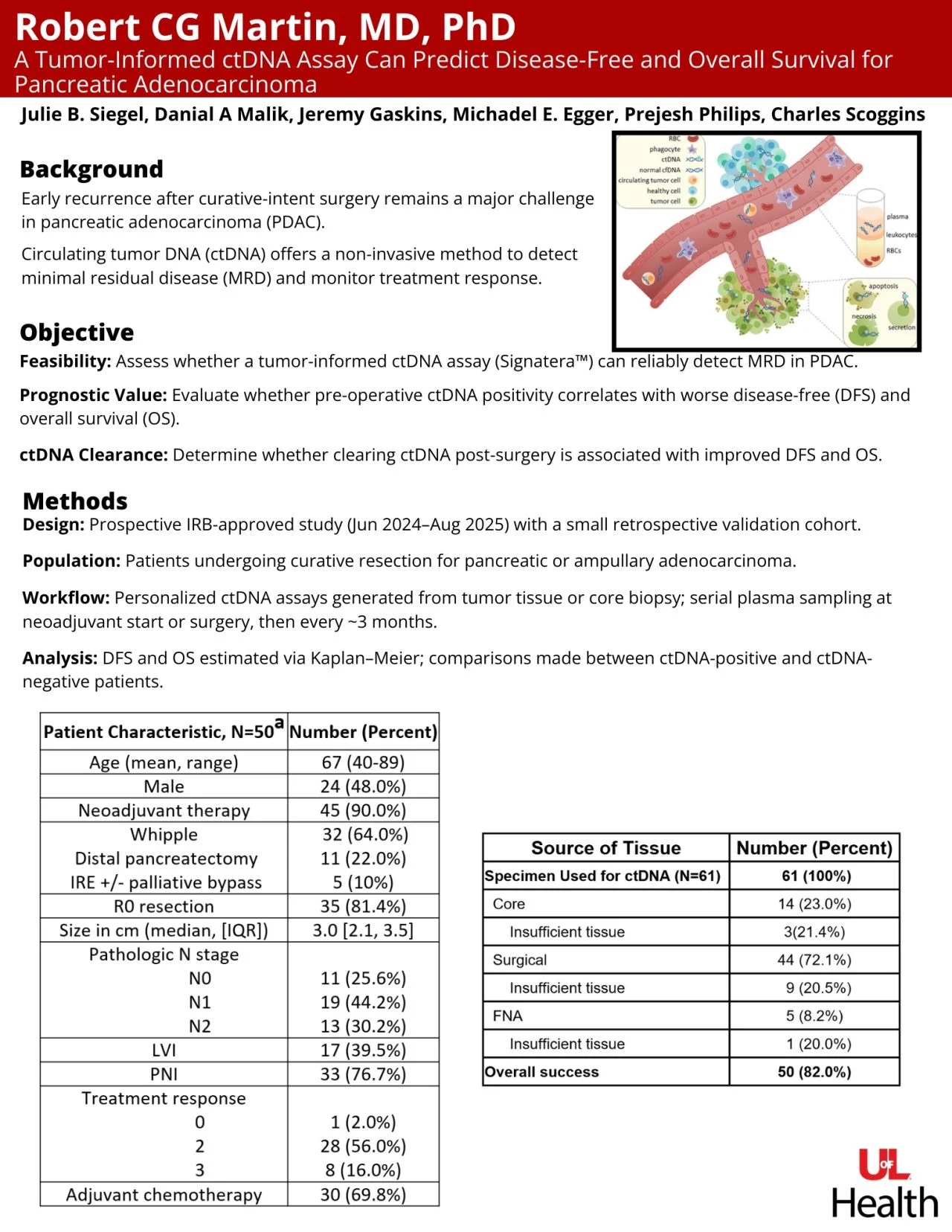
I am pleased to share findings from our recent oral presentation at the Western Surgical Association annual meeting, highlighting the role of circulating tumor DNA (ctDNA) in pancreatic ductal adenocarcinoma (PDAC).
Pancreatic cancer remains difficult to manage due to high early recurrence rates even after curative-intent surgery. ctDNA offers a non-invasive method to measure minimal residual disease (MRD) and may help us better understand which patients are at highest risk.
Key findings from our study:
- High feasability: We successfully created tumor-informed ctDNA assays in 82% of patients.
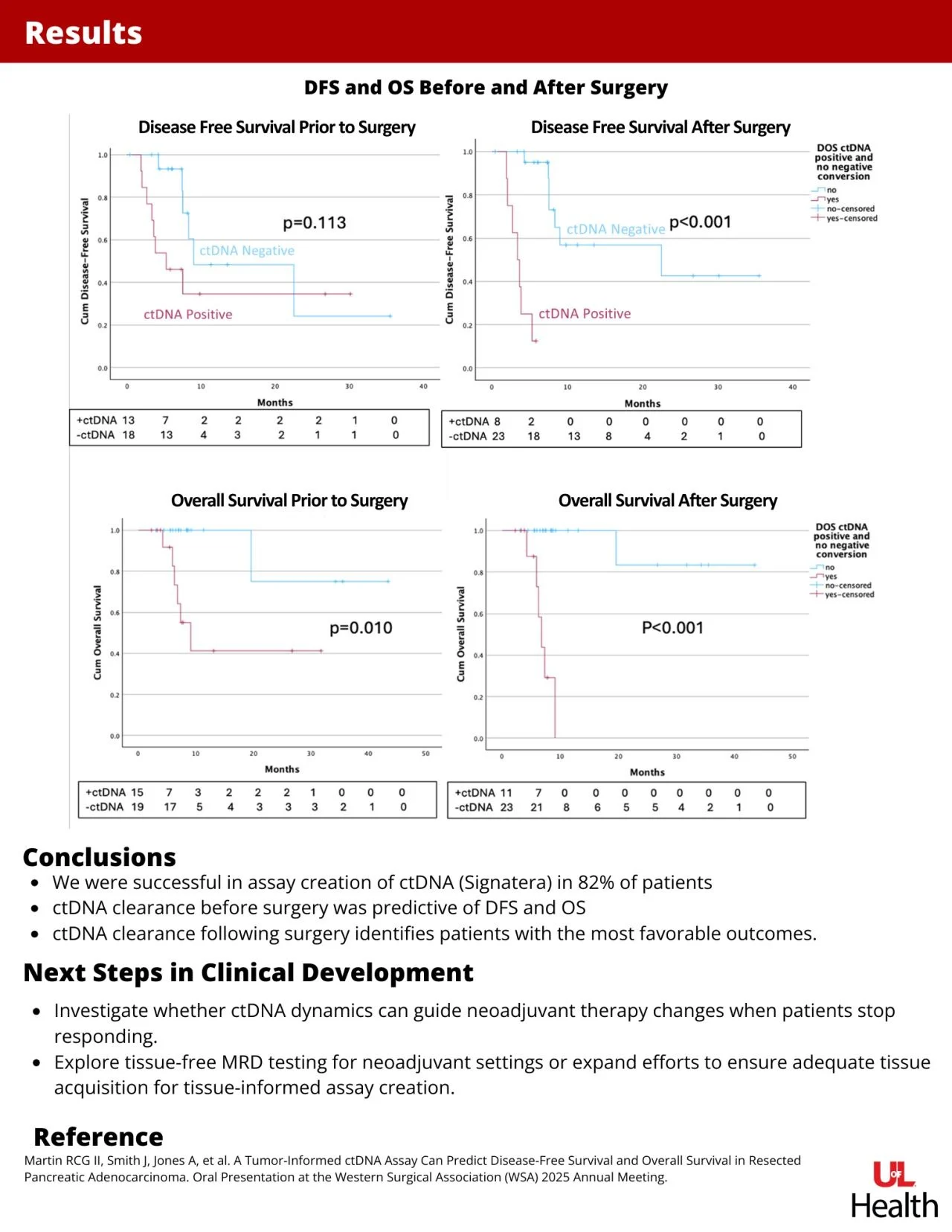
- Prognostic before surgery: Patients with pre-operative ctDNA positivity had worse disease-free and overall survival.
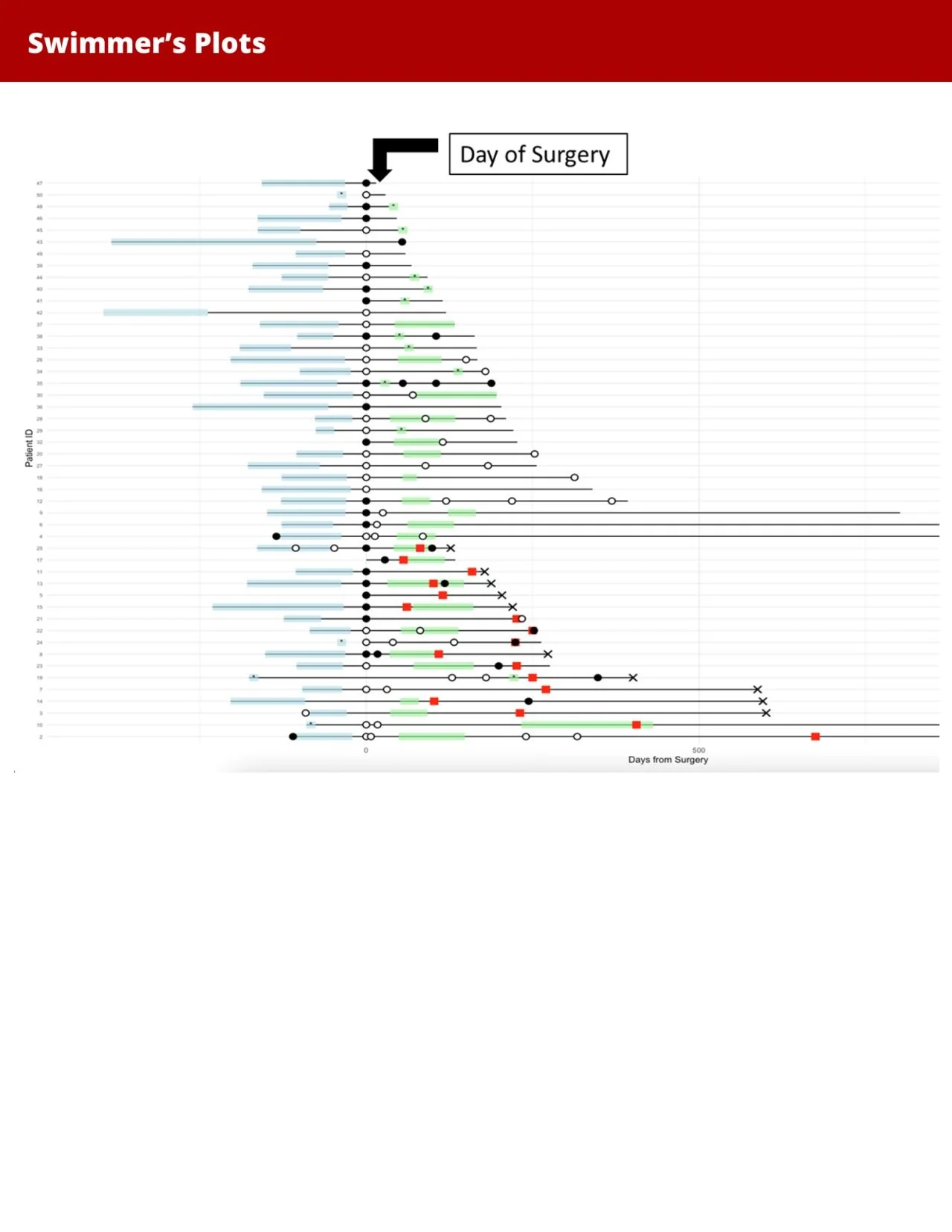
- Clearance matters: Patients who cleared ctDNA after surgery experienced the most favorable outcomes.
- Conclusion: Together, these patterns suggest ctDNA may become a powerful tool for MRD assessment and personalized postoperative management in PDAC.
Next Steps in Clinical Development:
- Determining whether ctDNA dynamics can guide neoadjuvant therapy changes when patients stop responding.
- Expanding tissue-free MRD testing or improving tissue acquisition to support tumor-informed assay creation.
This work represents early but encouraging progress toward integrating ctDNA-based MRD assessment into pancreatic cancer care. I am grateful to my colleagues and trainees, as well as Natera, whose support and collaboration made this study possible.”
More posts about Pancreatic Cancer.