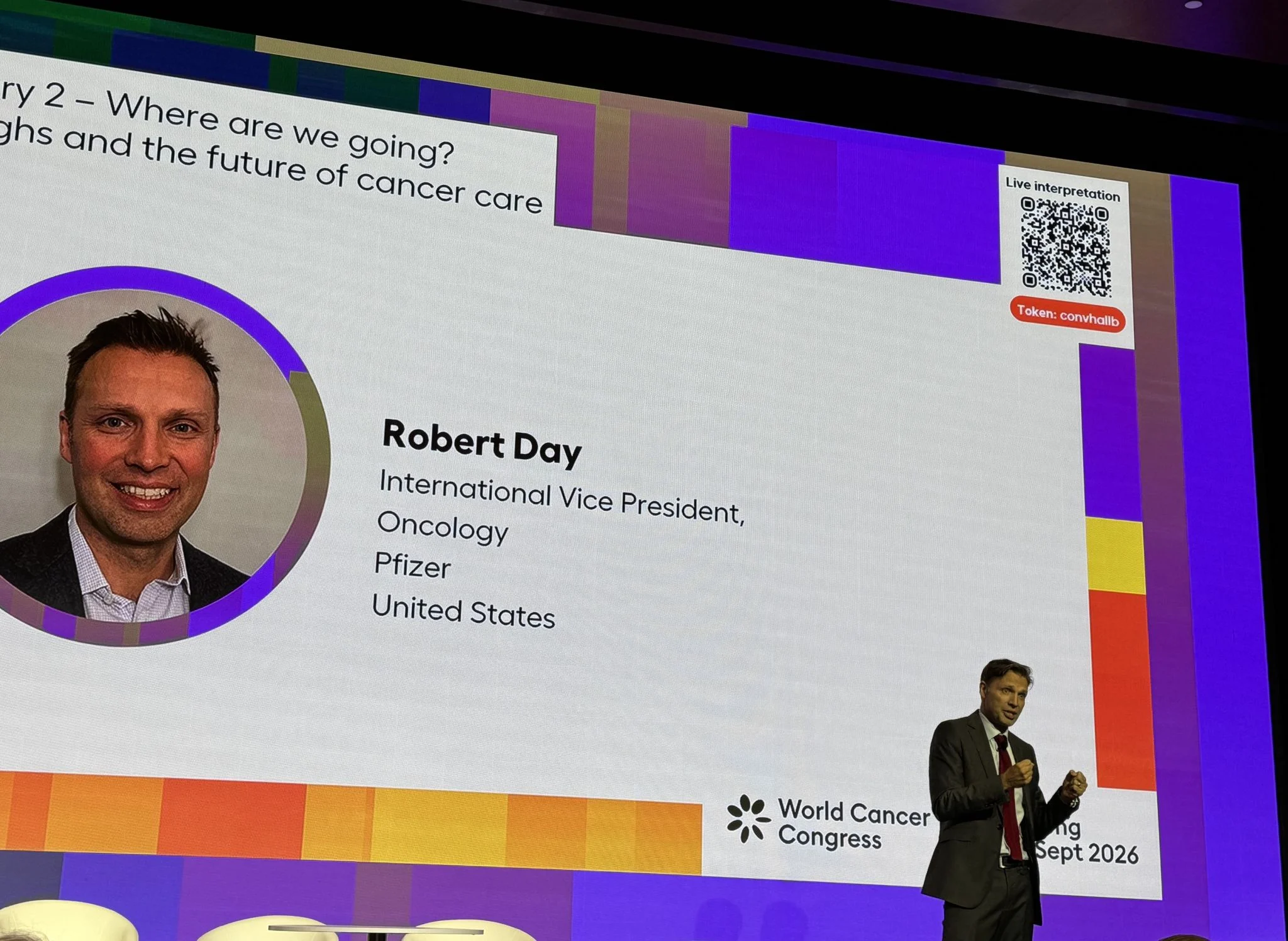
Robert Day, Oncology Commercial Vice President – International Commercial Office at Pfizer, shared a post on LinkedIn:
“This year 21 million people will hear the words ‘you have cancer’. 10 million people will not survive it. By the time my daughter is my age the number who hear those words will have doubled. Cancer is not slowing down, so that means we must act faster!
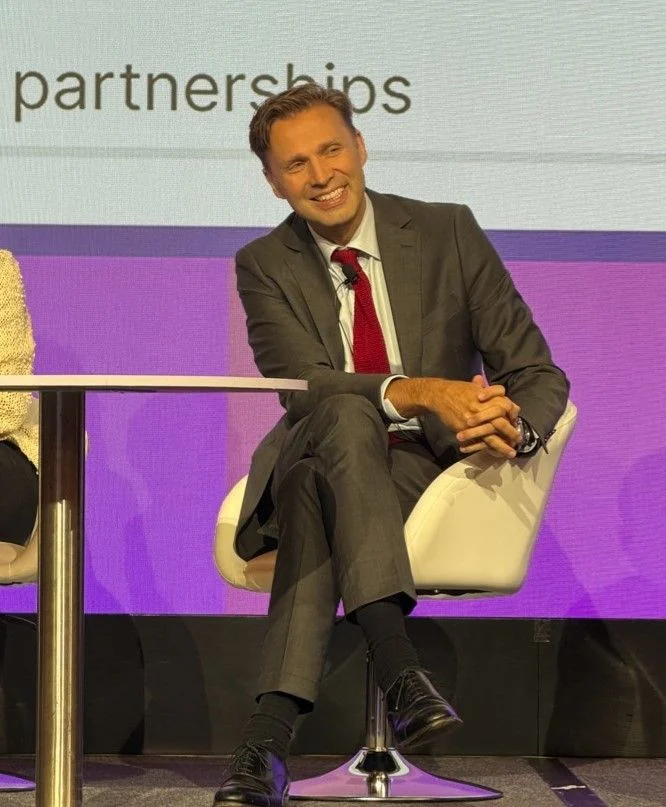
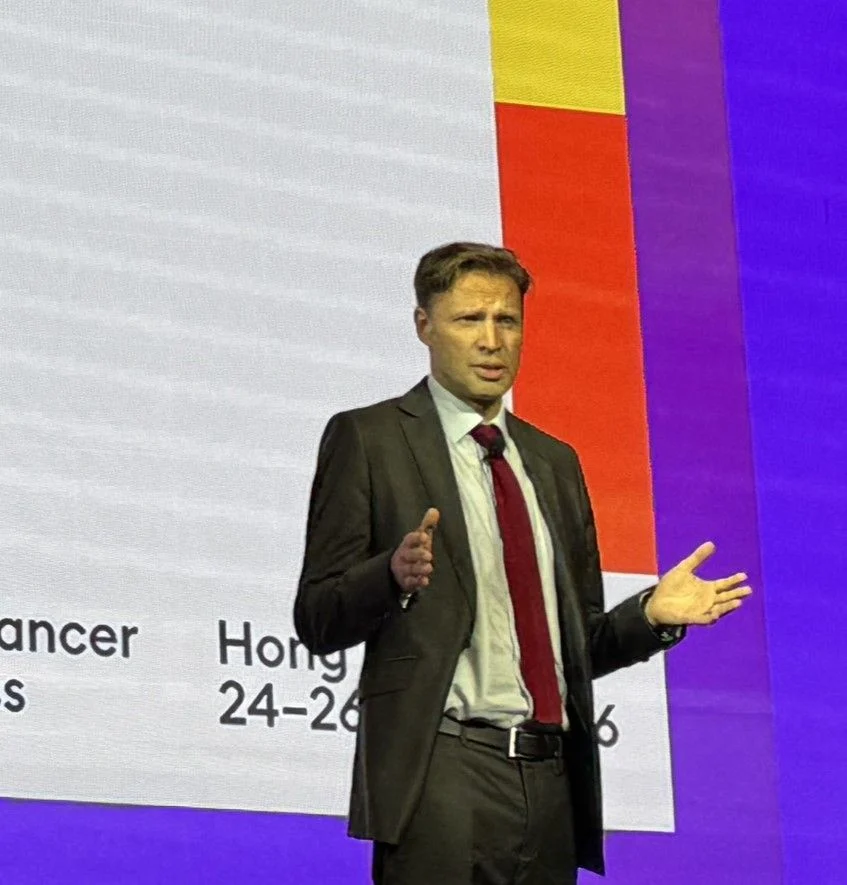
It was an honour to represent Pfizer at the World Cancer Congress this week.
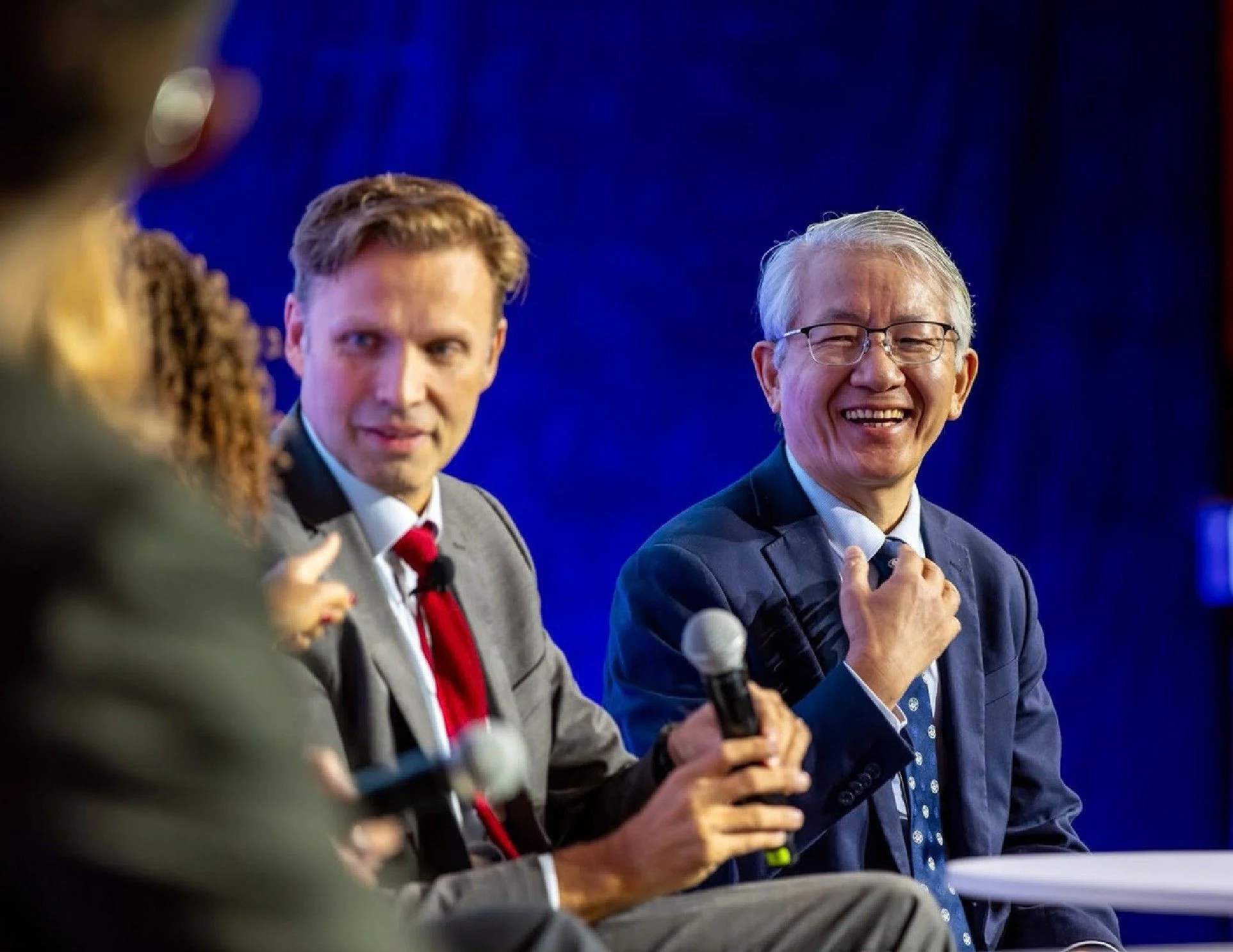
During the plenary discussion, I shared some of my excitement about the progress in Cancer today and how we, at Pfizer, now stand with the anticipation of launching 8 new breakthroughs in cancer before 2030. That is an amazing thought, but it’s not one single medicine which is most exciting me for the future beyond that, it’s how we can leverage new technology and AI to bring those breakthroughs to patients faster.
Leveraging AI to interrogate external research, and every experiment Pfizer has ever run, to move from concept to hypothesis to candidate selection faster and with more confidence; to speed up and democratise recruitment for clinical trials; to inform adaptive trial design and the use of digital twins to accelerate phase III outcomes; and finally, to use AI databases aligned with human interaction to better support patients to predict side effects so they can identify them early and address them before they get in the way of the long term transformational efficacy that modern medicines can offer. These and other innovations will rapidly advance our ability to bring these breakthroughs to patients faster with better outcomes, and the future will look very different as a result.
None of this is possible of course without strong stakeholders coming together from NGOs, academia, industry and government and this is exactly what we saw happening in these three days in Hong Kong at the WCC, where it was so inspiring to hear about the incredible work across different countries and regions, learning from each other’s successes and building partnerships to bridge the gaps between stakeholders around the world.
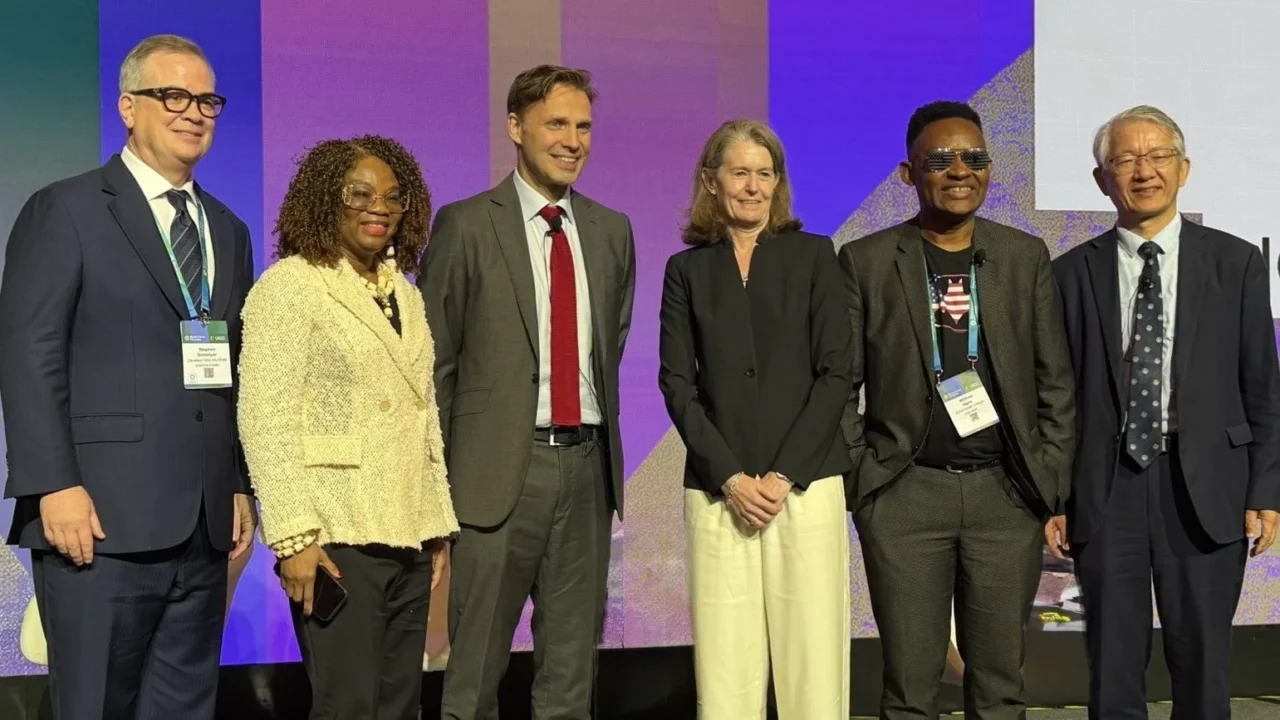
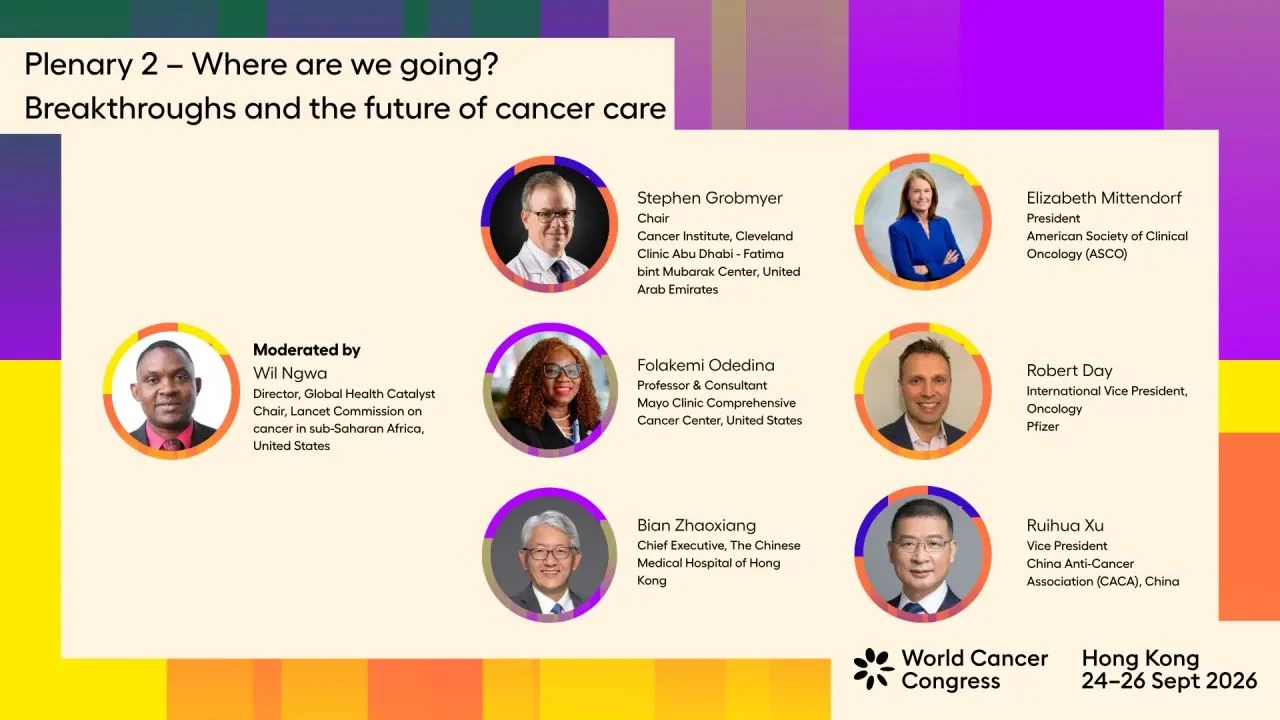
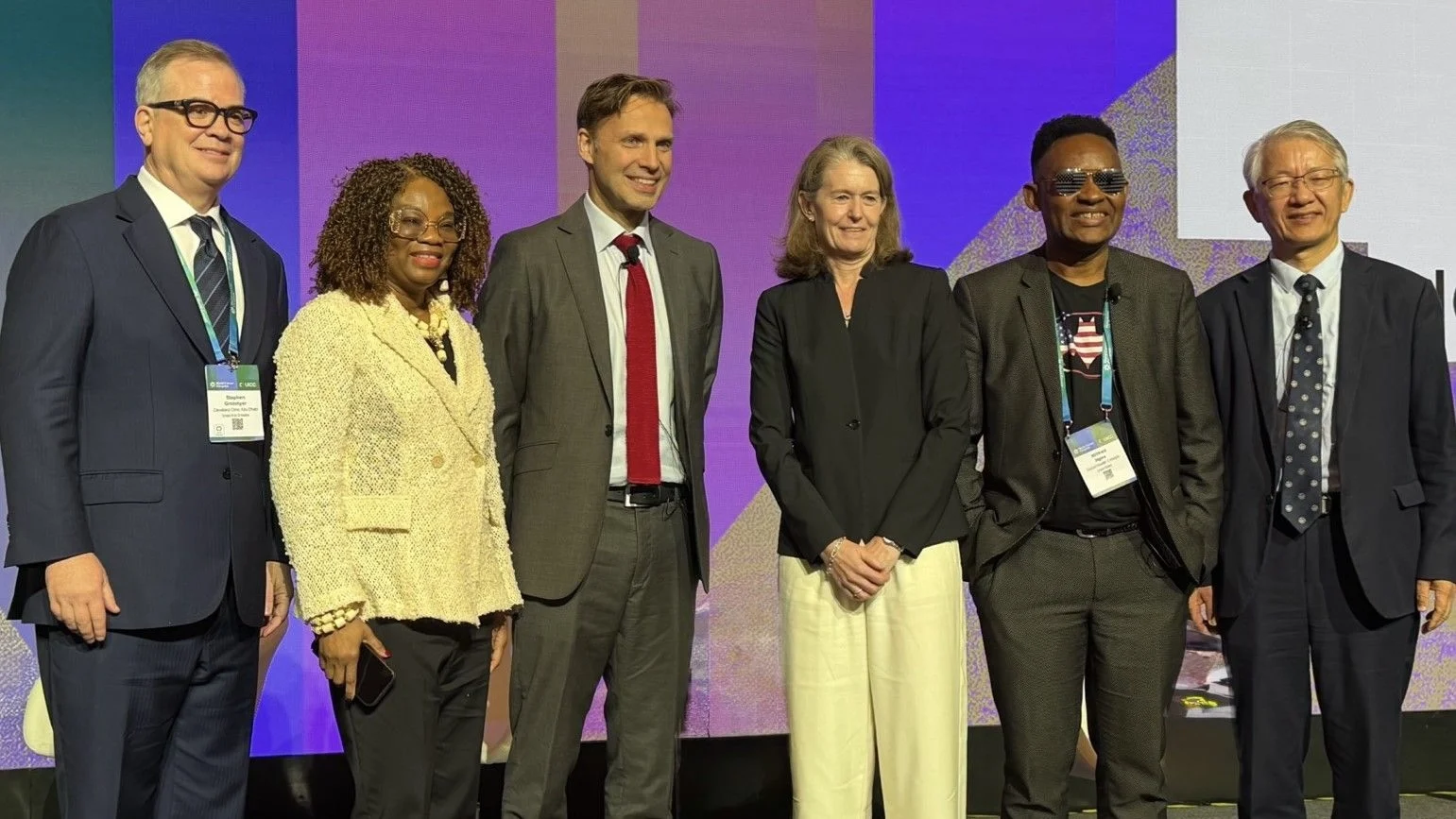
Thank you to the UICC leadership, my fellow panellists Elizabeth Mittendorf, Stephen Grobmyer, Dr. Folakemi Odedina (PhD), Zhaoxiang Bian, our chair Wil Ngwa and all the attendees and contributors for an inspiring congress marked by collaboration, generosity and a powerful shared commitment to address our goal of improving the lives of people with cancer all around the world. Together with your energy and partnership we can beat cancer!!”
You can also read: Highlights from World Cancer Congress 2026 – Part 2
Robert Day/LinkedIn