This social media roundup highlights key posts and reactions from global oncology leaders, healthcare organizations, and patient advocates attending the World Cancer Congress 2026 in Hong Kong. Organized by the Union for International Cancer Control (UICC) alongside the Hong Kong Anti-Cancer Society, the post captures discussions on closing the health equity gap, translating precision oncology into accessible care, expanding supportive care, and ensuring legal protections for cancer patients worldwide.
McCabe Centre for Law and Cancer:
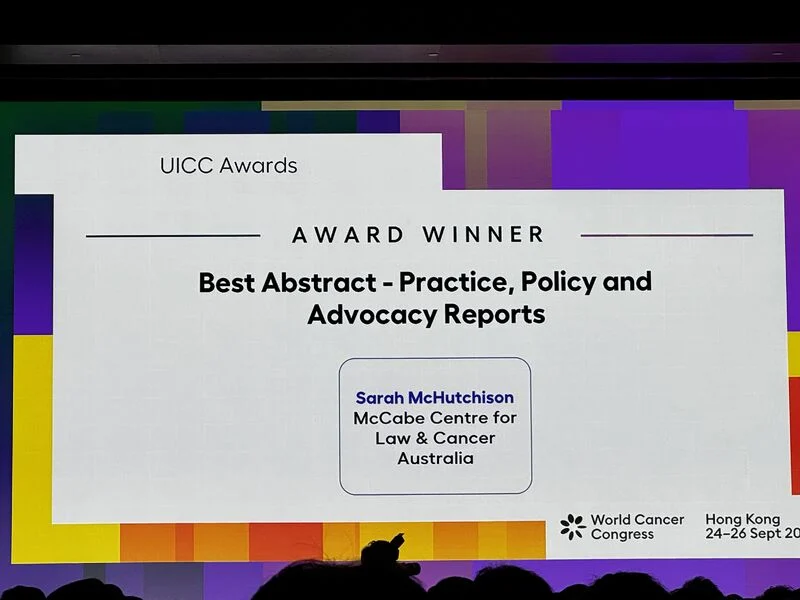
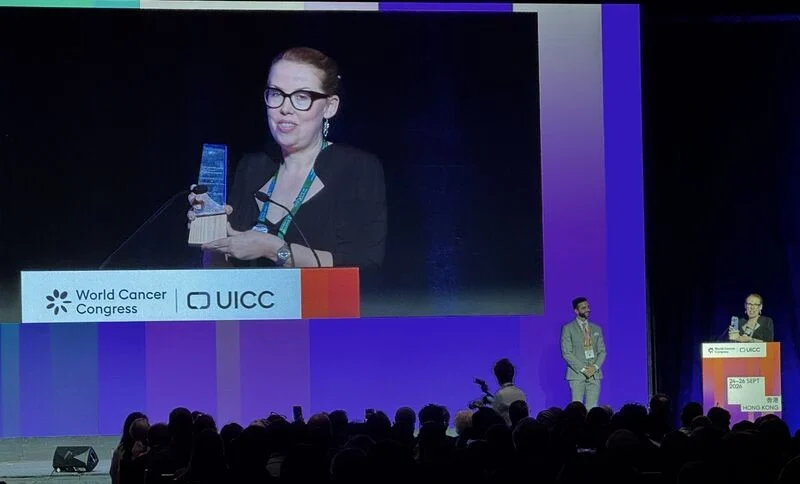
“We’re so honoured to win the Best Abstract: Practice, Policy and Advocacy Reports Award, at World Cancer Congress 2026 in Hong Kong today. Congratulations Sarah McHutchison and Tarishi Desai on our contribution to the ABC Global Decade Report 2.0: Knowledge in Motion – A Decade Reviewed, A Decade Defined.
The McCabe Centre is so proud to have contributed to this important global report. Our contribution focused on Chapter 10, Legal and Workplace Rights for People with ABC, examining the legal and employment protections available to people living with advanced breast cancer across different jurisdictions. As treatments improve and people live longer with advanced cancer, ensuring access to workplace and legal protections remains an essential part of achieving equitable and person-centred cancer care.
This recognition highlights the power of global collaboration in advancing policy and practice that better supports people affected by cancer. We are honoured to have contributed alongside international experts and advocates working to improve outcomes and quality of life for people living with cancer.
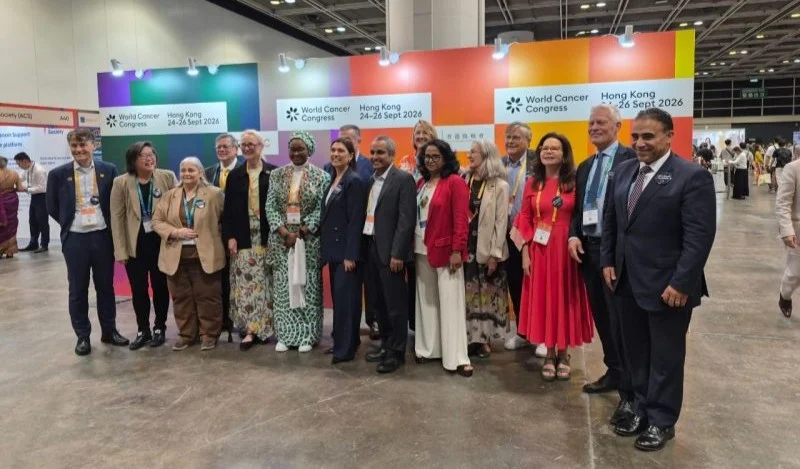
“It was a great honor to participate in the Union for International Cancer Control (UICC) World Cancer Congress 2026 in Hong Kong, bringing together cancer leaders, experts and organizations from around the world.
From sharing the Egyptian experience with the PIWH (Presidential Initiative for Women’s Health) during the session ‘From Policy to Practice: Scaling Regional Collaboration for Breast Cancer Equity in Southeast Asia,’ the lessons learned from translating national commitment into large-scale implementation and to transfer the know-how to our friends in SEA.
Beyond the scientific sessions, the Congress provided an invaluable opportunity to meet UICC leaders Ulrika Årehed Kågström, Zainab Shinkafi-Bagudu, Dr Cary Adams, representatives of member organizations, and presidents and leaders of major cancer societies from around the world. Eric Bouffet, Miriam Mutebi, Dilyara Kaidarova, Cesaltina Lorenzoni, Lamia Mahmoud, Partha Basu, Freddie Bray, Hana Chaar Choueib, Todd Harper, Fatima Cardoso, Asem Mansour, CS Pramesh, Joanne Ngeow, Sri Navaratnam and everyone who works for the same goal of advancing cancer care.
As a candidate for the UICC Board of Directors, these conversations gave me a deeper appreciation of the responsibility that comes with serving on the Board, the opportunities to do more, and of how much can be achieved through stronger collaboration.
I strongly believe that the future of global cancer control depends on connecting experiences and solutions across regions: South–South collaboration between Africa, Asia and South America, while also strengthening collaboration with the North and west.
Every region has valuable experiences to share. Our goal is to learn from one another, adapt successful approaches to local realities, and build partnerships that can move beyond borders.
I leave Hong Kong with renewed motivation to reach further, build stronger global partnerships, amplify the voice of LMICs, and help connect science, policy and implementation so that progress in one region can become an opportunity for progress in another.
There is much more to do – and I look forward to doing more, together.”
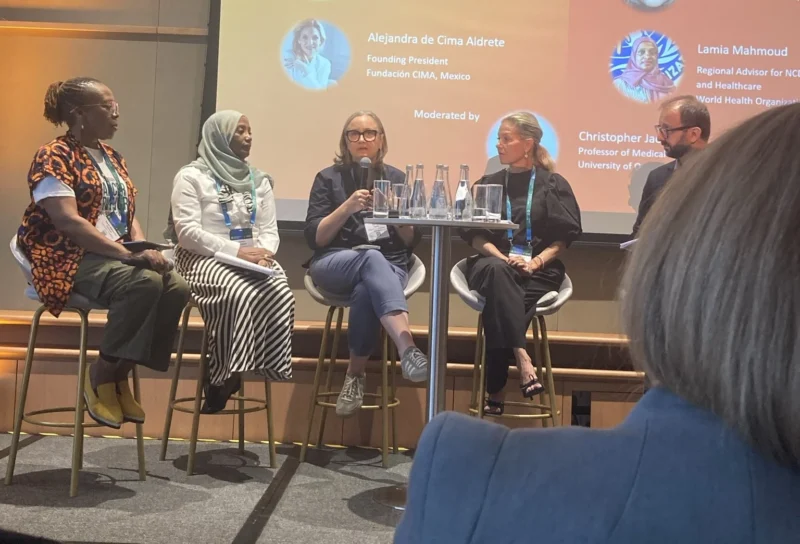
“‘People with lived experience have a voice, the health systems MUST ACT…’
‘Pick on something that you are doing and meaningfully involve people with lived experience. JUST DO IT.’
These were some of my key takeaways from a session on ….people- centred care.”
“A distinguished presence at the 17th White Coat Ceremony as members of faculty joined us to celebrate and welcome our newest clinical students.”
“Day Two of the World Cancer Congress 2026 was packed with important discussions on precision oncology, early detection of lung cancer, cancer care in humanitarian settings, universal health coverage, tackling misinformation, and advancing more equitable cancer care.”
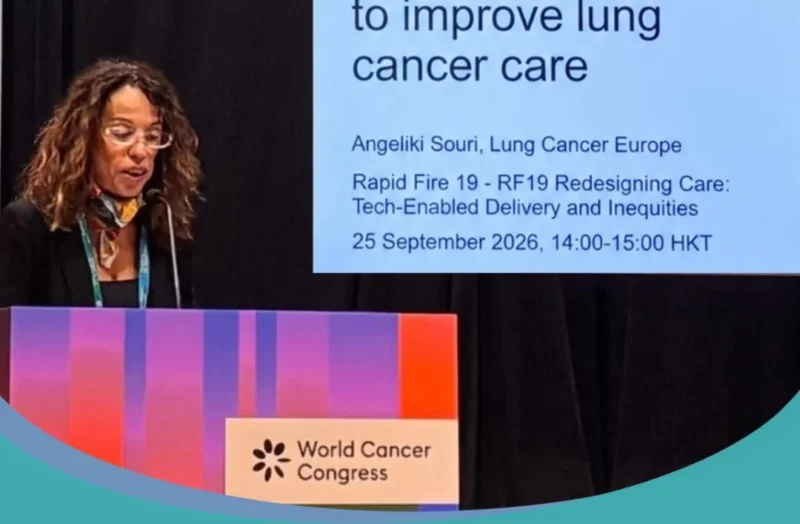
“People with lung cancer should not have to coordinate every part of their care themselves. Today at WCC2026, our Vice President Angeliki Souri presented Lung Cancer Policy Network’s recommendations on patient navigation: practical support to help people move between services and get the care they need.”
Vun-Sin Lim:
“2026 World Cancer Congress in Hong Kong, hosted by UICC and the Hong Kong Anti-Cancer Society.
It’s a humbling and rewarding experience working with local volunteers from all walks of life alongside the UICC event team.
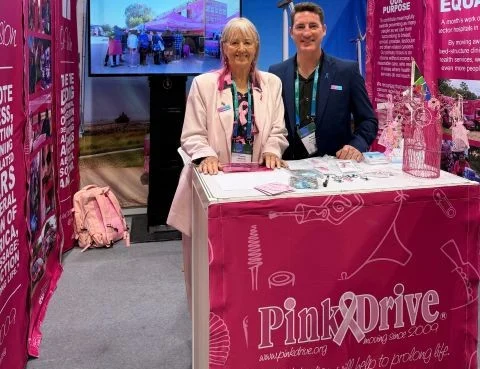
Special shout out to PinkDrive from South Africa. They have pink trucks providing education and screening to residents in areas without standard health care access. Services include mammograms, screening for cervical cancer, prostate cancer, skin cancer, lung and TB.”
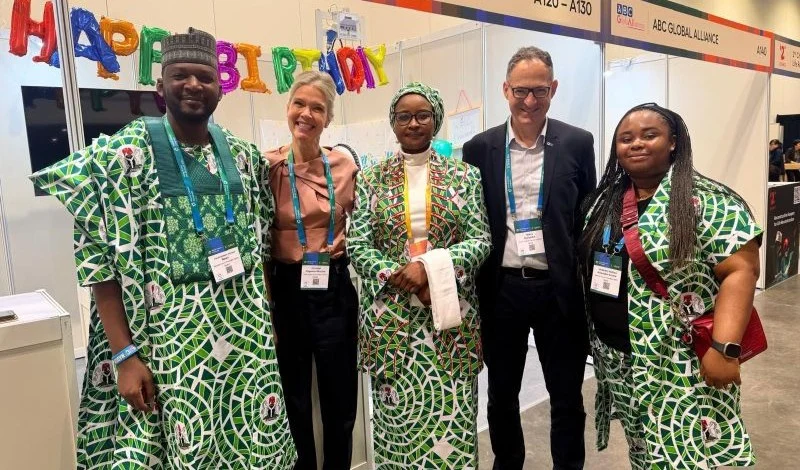
“The World Cancer Congress 2026 has officially convened in Hong Kong, uniting over 2,000 delegates representing more than 120 nations.
The opening ceremony infused a rich Chinese culture with a snapshot of the region’s cancer burden and progress made.A traditional Lion dance set a tone of hope and strength for the millions of people fighting cancer in the world.
I spent the rest of the day having meetings with partners like American Society of Clinical Oncology (ASCO), presenting our own work, and meeting the press and Union for International Cancer Control (UICC) members. I am grateful for the presence and support of many Nigerians.
Delegates are engaging in different sessions addressing the global landscape of cancer control, people-centred care, the potential of artificial intelligence, large-scale screening, lung cancer, and prevention strategies.
In the coming days, we will view and hear many abstracts, panels and rapid-fire sessions, as well as the Spotlight Stage.
I am excited to be taking over as president of this great union but emotional as I say goodbye to many colleagues who have become lifelong friends.”
The Multinational Association of Supportive Care in Cancer (MASCC):
“MASCC is at the World Cancer Congress 2026 in Hong Kong! We’re pleased to be shining a spotlight on supportive care at this important global conference organized by the Union for International Cancer Control (UICC) and the Hong Kong Anti-Cancer Society.”
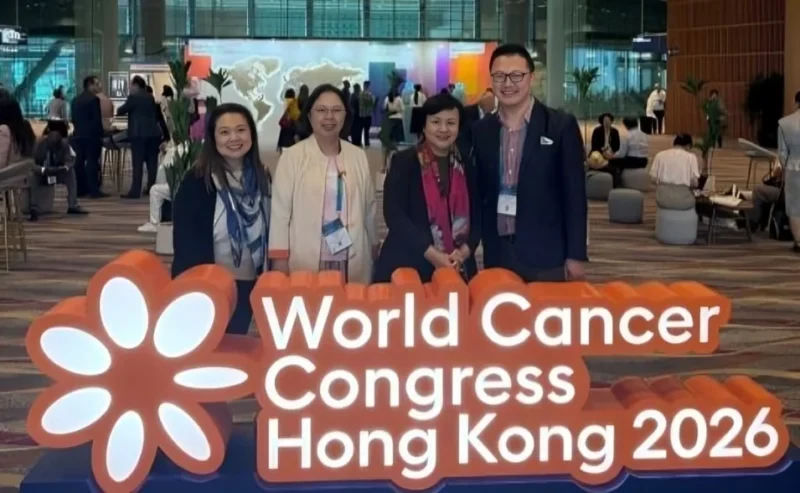
“My first 3 sessions into Day 2 of the World Cancer Congress in Hong Kong, and I realised there was a common thread running through every conversation.
- Started with the Plenary session “Where are we going? Breakthroughs and the future of cancer care.” chaired by Wil Ngwa where we had fantastic speakers like Prof. Stephen R. Grobmyer, MD, FACS, Elizabeth Mittendorf, Dr. Folakemi Odedina.
- Followed by the Big Debate: “Will Precision Oncology Deliver a Healthier World?” by Lillian Siu and Mark Lawler, moderated by Lisa Stevens.
- The third session was by Common Sense Oncology: balancing evidence, equity and empathy in global cancer care featuring Christopher Jackson, c s pramesh, Miriam Mutebi, MD,MSc,FACS and Ajay Aggarwal.
On the surface, three different conversations but in reality, they were asking different versions of the same question:
“What does progress in cancer care actually mean?”
We are living through one of the most exciting periods in oncology. We can interrogate the molecular makeup of tumours in ways that would have been unimaginable not long ago. We can identify genomic alterations, develop treatments against specific targets and increasingly treat cancers according to their biology, not simply the organ where they started.
The science is extraordinary, but there is a danger in equating scientific advancement with progress.
Who gets access to precision oncology?
A targeted treatment means very little if you cannot test for the target. Genomic sequencing cannot transform outcomes if it is unavailable to most of the population. A breakthrough drug may change the standard of care in one country while remaining completely out of reach in another.
Even where a treatment is available, we still need to ask what it actually delivers.
- Does it help patients live longer?
- Does it help them live better?
- How meaningful is the benefit?
- At what cost, financially and in toxicity?
- Can health systems realistically deliver it?
These are not questions that undermine innovation. They are fundamental to whether innovation fulfils its purpose. This is where precision oncology and cancer equity collide.
We could reach a point where we understand exactly what is driving an individual patient’s cancer and know which treatment is most likely to help them, yet still be unable to offer it because of where they live or what their health system can afford.
That is scientific advancement but I am not sure we should call it progress.
The future of cancer care should not be measured by how sophisticated our science becomes, but by how successfully we translate that science into meaningful outcomes for people. Precision without access cannot deliver equity. Innovation without implementation cannot transform cancer outcomes.
Three sessions this morning brought me back to one simple principle: innovation is only progress when patients can benefit from it.”
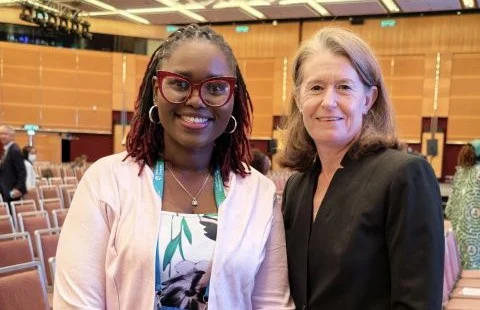
“Glad to have presented on behalf of the PRAISE-U consortium at the Union for International Cancer Control (UICC) World Cancer Congress 2026 in Hong Kong!
What does it take to get health systems ready for prostate cancer screening?
We answered that through our research titled “Mapping the readiness landscape for prostate cancer screening in Europe: health-system capacity across the PRAISE-U pilots”.
Across five pilot sites in four European countries, we found strong clinical capacity alongside gaps in screening invitations, quality assurance and data systems. Organised screening is a redesign of service delivery, not an add-on to opportunistic PSA testing
A big thank you to our consortium colleagues and pilot teams for making this work possible!”
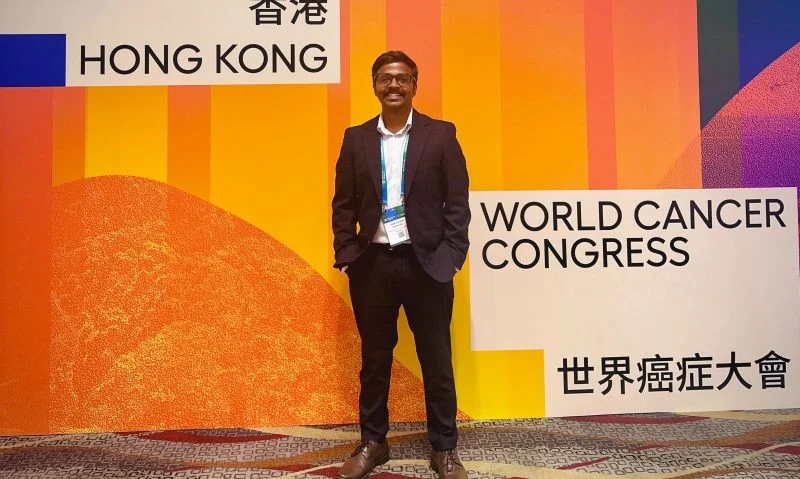
“Happy to represent Hopital Foch and The Multinational Association of Supportive Care in Cancer (MASCC) at the world congress center.
Many meetings and amazing projects for research and development of supportive care globally. Thanks to UICC for the trust and opportunity. Ahead global survey on SCC access (partner UICC) specific journeys development (partner J&J), education and information to patients caregivers and professionals (partner La Roche Posay/Loreal), development of SCC (Chinese Anti Cancer Association, OncoDaily, AllCan) and many other projects such as genomics in SCC…”
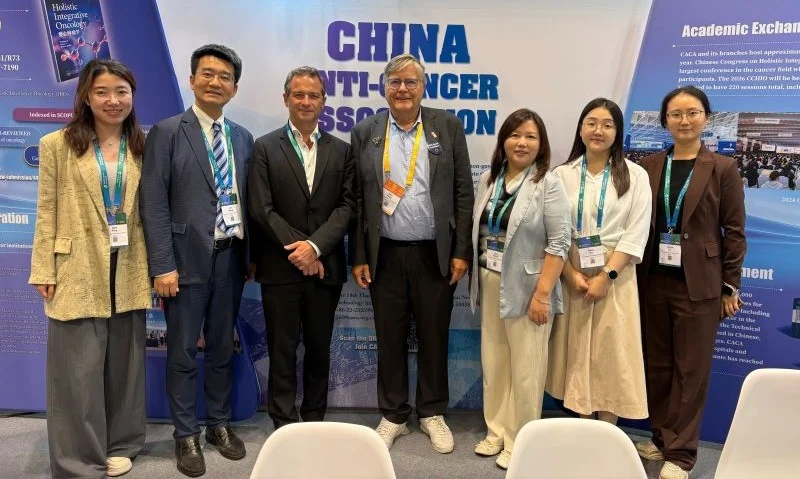
World Ovarian Cancer Coalition:
“Big conversations, new connections and a shared ambition for better outcomes in ovarian cancer.
This week, our CEO, Christel Paganoni-Bruijns, and Programme Director, Mikis Euripides, are in Hong Kong for the UICC World Cancer Congress, connecting with leaders, advocates, and partners from across the global cancer community.
For the World Ovarian Cancer Coalition, these conversations matter. Progress in ovarian cancer depends on bringing together lived experience, evidence, policy, and clinical expertise – and on building the partnerships needed to turn shared priorities into meaningful change.
The Congress has been a valuable opportunity to exchange ideas, strengthen relationships with our strategic partners, and connect with colleagues working across cancer control, advocacy and global health.
We’re grateful to everyone who has taken the time to meet with us and share their perspectives. These connections are an important part of building a stronger, more coordinated global response to ovarian cancer.”
UICC:
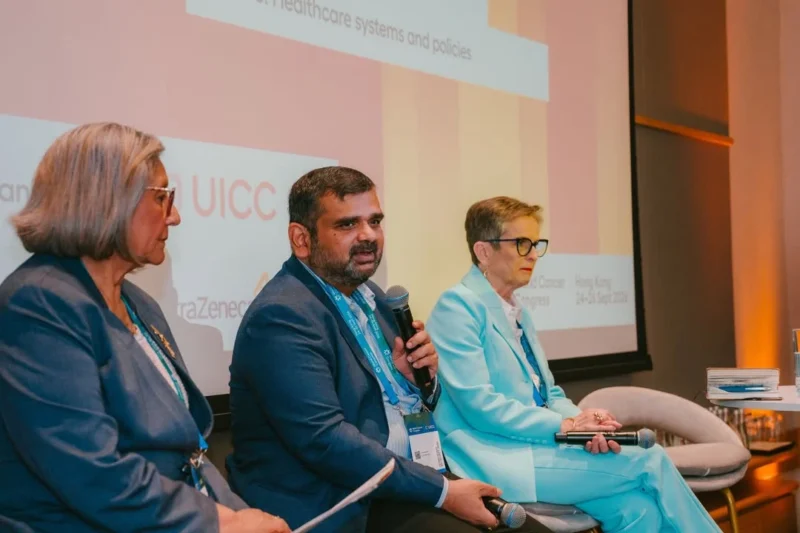
“UICC was delighted to host a flagship session to examine progress in implementing the WHO Global Breast Cancer Initiative (GBCI) and showcase practical, collaborative, and data-driven approaches to help countries achieve the GBCI targets globally.”
“Great to spend time with fellow campaigning board members Todd Harper, Maira Caleffi, Stella Bialous and Matti Aapro at Union for International Cancer Control (UICC) World Cancer Congress. Missing our friend and colleague Kathleen Schmeler.
These amazing people work thoughtfully, carefully and collaboratively to help make UICC the great organisation it is today, and help steer it through another successful era.”
You can also read: