





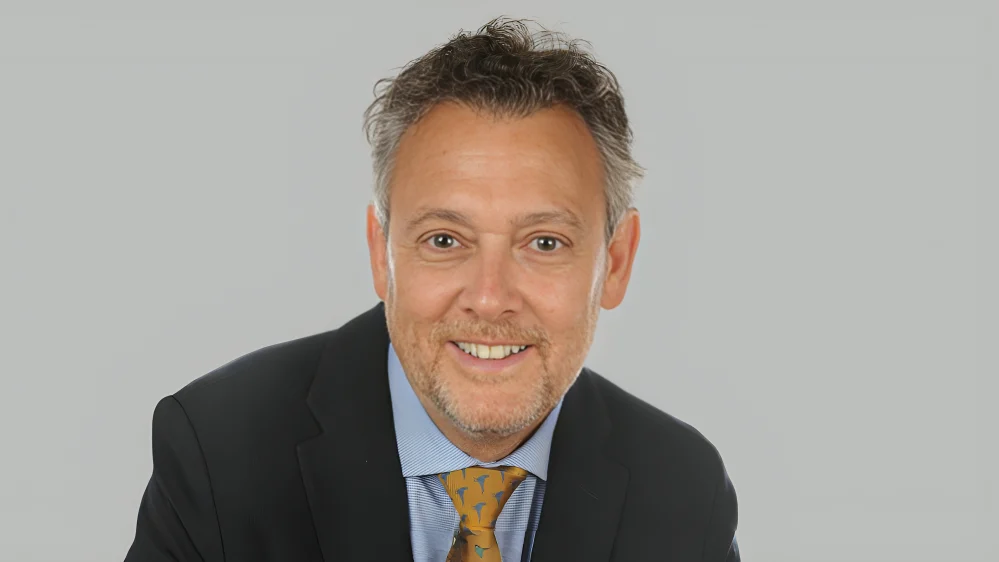
Richard Sullivan, Co-Director of the Centre for Conflict and Health Research, and Professor of Cancer and Global Health at King’s College London, shared a post on LinkedIn:
“”Turning defeat into a pyrrhic victory has been a hallmark of the GRAiL saga. Just as our JAMA op-ed aired (here), GRAiL was busy pivoting into a late-stage cancer detection company at ASCO 2026. Apparently, it’s still a ‘fantastic opportunity for transforming cancer outcomes’. The fact that none of this has been even remotely proved is, it seems, neither here nor there. And there is little intention to do anything about this. Nor is there much (or any) discussion of the foundational reasons for late diagnosis, many of which are not amenable to any MCED test.
So, another junction is reached in this long journey to find a clinical niche for these sorts of tests. There is fierce competition and many different approaches. For now, population screening is a dead end, especially if the industry is unwilling to consider a proper mortality endpoint. Instead, the battle will be fought over the integration of these technologies into primary care and even directly to consumers.
The extraordinary array of emerging technologies in this area (here) means lots more controversy to come as Philip Castle and colleagues have so well expressed (here). But the same questions will continue to be asked. Don’t just show some stage shift and claim a revolution in outcomes. Prove it. The harsh reality is that just as there is no magic bullet to cure cancer, there is no magic bullet to ‘cure’ late diagnosis, in any global setting. Right now, trying to ‘oversell’ MCEDs as anything other than a minor contribution is plain hubris (here).
Some of these technologies may yet prove their worth. But let’s stop overselling their impact. There is a lot of research and reform needed in pathways, health systems, and pre-existing, well-proven screening technologies that will save lives right now.”

Other articles featuring Richard Sullivan on Oncodaily.