





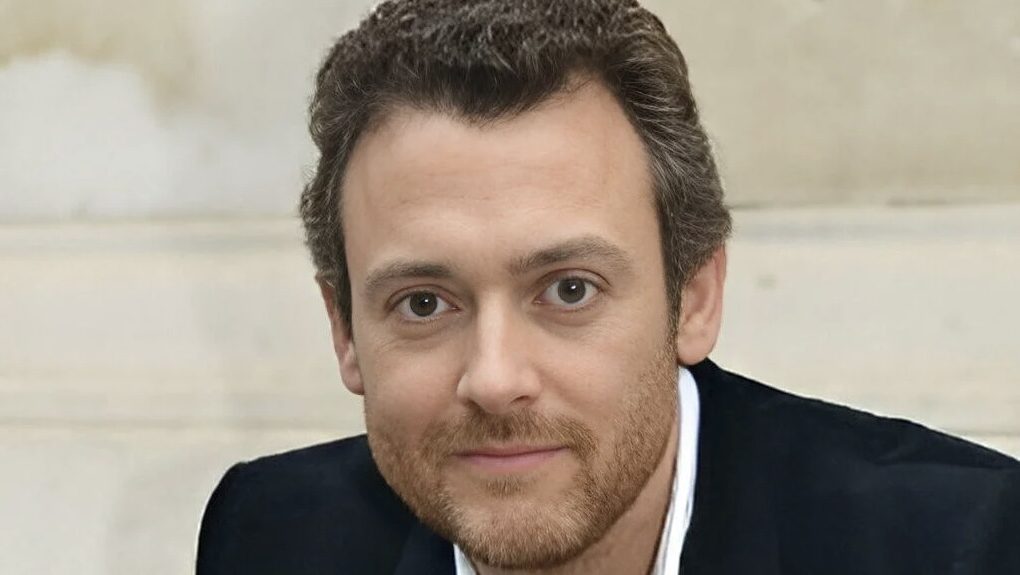
Richard Sullivan, Co-Director of the Centre for Conflict and Health Research, and Professor of Cancer and Global Health at King’s College London, shared a post on LinkedIn:
“If the unfolding events across the Middle East and Sub-Saharan Africa (SSA) were not enough to prove that the rules-based multilateral order was truly dead and buried, then the snatching of Nicolás Maduro and the ongoing attempt to take control of Venezuela and its oil is the final nail in the proverbial coffin.
Latin America and the Caribbean (LAC) face huge repercussions, not least from new waves of (forced) migration. Since 2014, there have been massive flows of refugees across the continent (21 million are currently displaced), creating huge stresses on already vulnerable host systems.
The UN system is also in free fall. On December 29th, 2025, the US signed an MOU with OCHA committing around $2 billion in pooled funding to cover all UN humanitarian funds, around over 80% less than in 2024, with narrow specifications that excluded many countries like Yemen, Gaza, and Afghanistan.
Adapt, shrink, or die is what UN agencies have been told. The UN backstop has all but vaporised, and it will be left to individual countries across LAC to manage the health implications of further destabilisation.
Policy actions to support migrants are well documented in terms of stable funding, legal protections, and integration into national health strategies, but all these were developed when multilateralism and some vague notion of neoliberal ideology existed.
That has gone, and probably gone for good. There was little doubt the UN system needed radical reform, but at the operational level, logistics architecture, cold chains, and camps cannot simply be turned off and on. These systems have thresholds below which they break.
Across the SSA region, a similar picture is emerging with additional catalysis from the new US bilateral health agreements. The modest fiscal headroom for countries to absorb forced migration (>45 million) is also evaporating.
Across the MENAT region, countries have had longer to adapt to the displaced populations with some notable success stories, e.g., refugee cancer care in Turkey. But even here, stress fractures in coping with the current burden are appearing everywhere.
Health equity for displaced populations is a fine aspiration, but in the new realpolitik, the challenges of displacement need a completely new approach.
Ultimately, however, with authoritarian contestation and the Monroe Doctrine on steroids fuelling greater global instability, the problems of displaced populations are only set to get worse.”
More posts featuring Richard Sullivan on OncoDaily.