





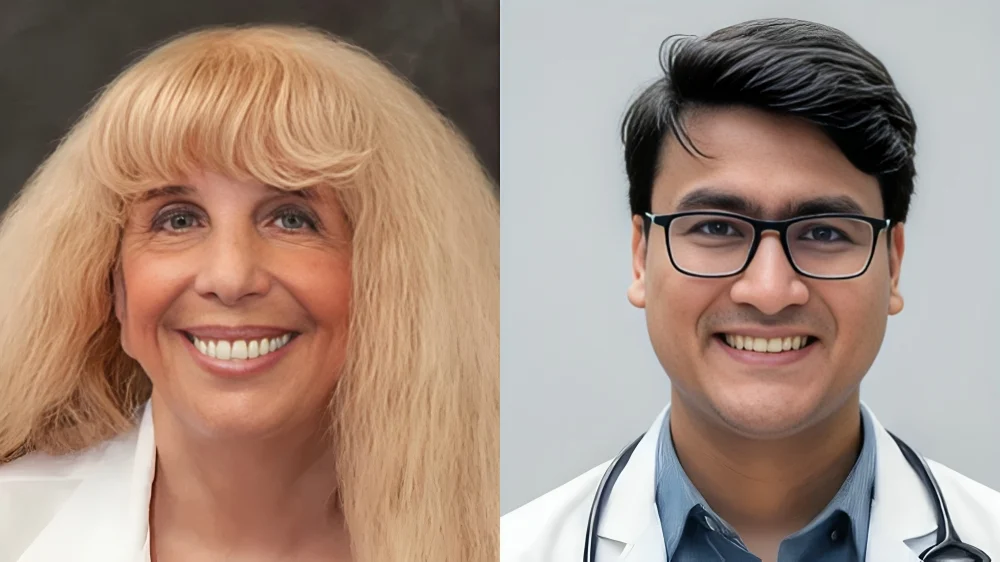
Razelle Kurzrock, Founding Director at Michels Rare Cancers Research Laboratories, shared a post by Rishabh Jain, Medical Oncologist at AIIMS on X, adding:
“ctDNA often finds actionable alterations not in tissue. Tissue reflects 1 site; CtDNA finds shed DNA from many sites. Complementary. ASCO is conservative.
2017, FDA approved NGS; but ASCO NGS guidelines only in 2022; Because ASCO is cautious, doesn’t mean that ctDNA is hype.”
Quoting Rishabh Jain’s post:
“The ctDNA hype cycle is over.
ASCO’s first ctDNA guideline tells us where liquid biopsy actually changes practice.
Use ctDNA when:
- Tissue is unavailable or unsafe
- Results are needed urgently
- Drug approvals allow/require liquid biops
Negative ctDNA does NOT exclude actionable disease.Tissue confirmation remains critical.
Practice-changing trials cited by ASCO: DYNAMIC Stage II colon cancer Less chemotherapy, same outcomes. PADA-1 ESR1-guided switch to fulvestrant + palbociclib improved PFS. SERENA-6 ctDNA-detected ESR1 mutations enabled earlier intervention and significantly prolonged PFS. IMvigor011 MRD-positive bladder cancer benefited from adjuvant atezolizumab. ctDNA should not replace imaging, pathology, or standard staging.
Bottom line: The question is no longer: ‘Can we detect it in blood?’ The question is: ‘Will acting on it improve outcomes?’ That’s the bar ASCO has set.”
Other articles featuring Razelle Kurzrock on OncoDaily.