Rasika Bombatkar, India
Advocate Events Insights is a collection of conversations with patient advocates and people with lived cancer experience, sharing their perspectives on scientific conferences, training, and events and highlighting the value of bringing the patient voice into research and healthcare.
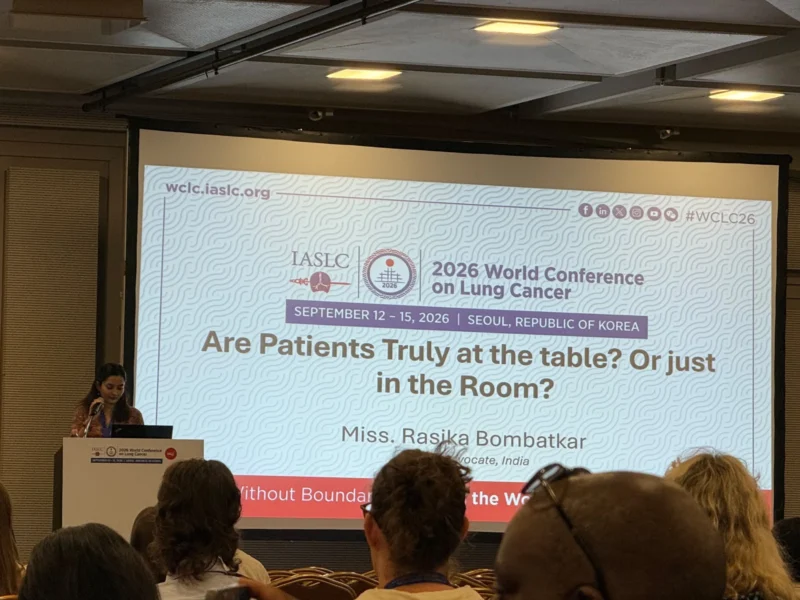
IASLC World Conference on Lung Cancer 2026
What motivated you to attend the conference?
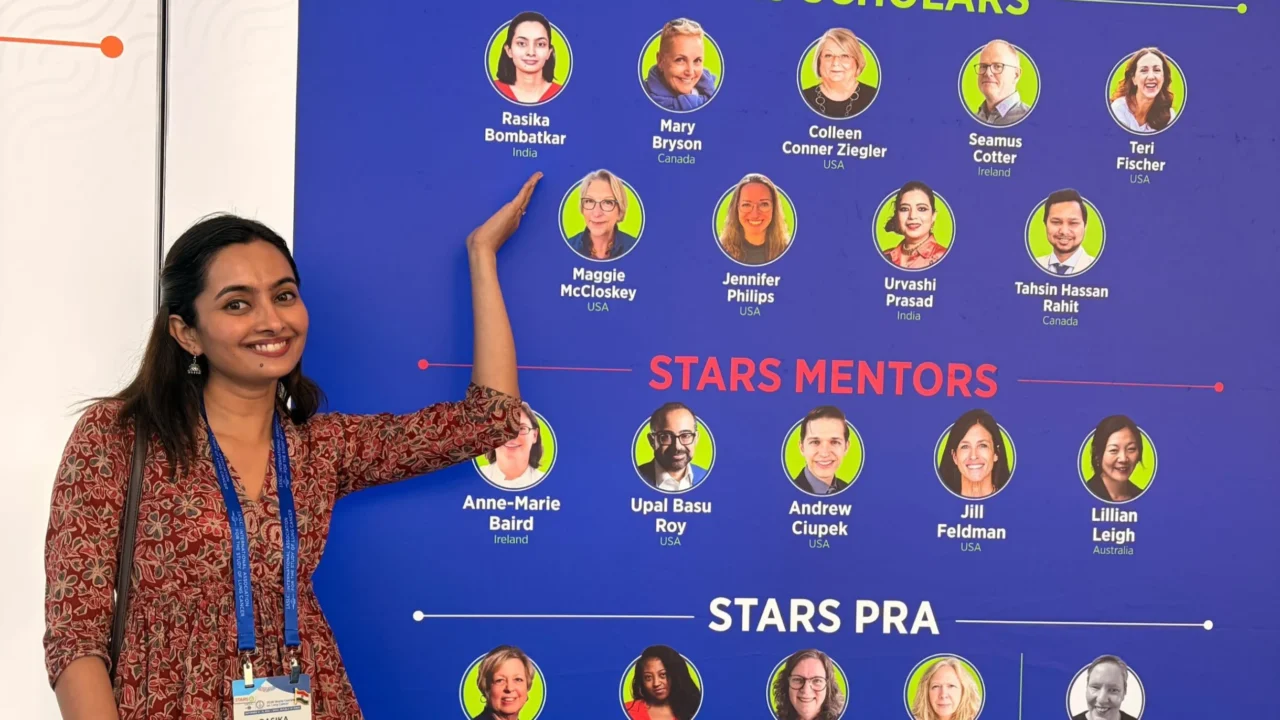
I applied for the IASLC STARS program, which provides training for patient advocates to become more involved in research.
For me, attending the World Conference on Lung Cancer was an opportunity to strengthen my understanding of research and explore how patient advocates can contribute more meaningfully to it.
How did you fund your attendance?
My attendance was funded through the STARS program.
What session had the biggest impact on you, and why?
The session on the role of civil society as a catalyst for change had the biggest impact on me.
It helped me better understand how civil society organisations work and where they fit within the wider healthcare system. Understanding this connection is important because civil society can play a critical role in bringing the realities and needs of patients into healthcare discussions and decision-making.
What surprised you the most?
I was surprised to meet patient advocates from all over the world who are dealing with many of the same issues, but in very different contexts.
It was powerful to see how advocates across countries can share similar challenges while experiencing them within completely different healthcare systems and environments.
Did you feel that the patient perspective was well represented?
There was a healthy level of participation from patient advocates. However, I believe there could have been greater patient advocate involvement in clinical research discussions.
Representation is important, but we should also think about where and how advocates are being included and whether they have opportunities to contribute to the scientific and research conversations taking place.
If you could change one thing about the conference for patient advocates, what would it be?
I would have a patient advocate at the table from the conference planning stage.
Scientific conferences can be overwhelming, particularly for patients who may already be dealing with health issues. Including patient advocates when the conference is being designed can help ensure that patient needs are considered from the beginning and that the conference is more accessible and manageable for them.
Did you make any new collaborations or connections?
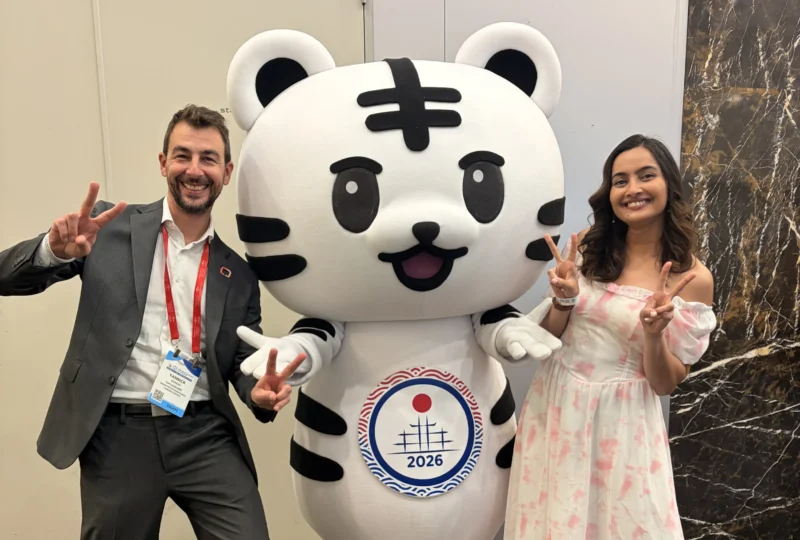
Yes. I made new connections and was pleasantly surprised by the warm response I received from both patient advocates and clinicians.
These interactions were an important part of the conference experience and showed the value of creating spaces where advocates and healthcare professionals can connect directly.
If another advocate is considering attending next year, what advice would you give them?
I would advise them to prepare a list of the people they want to meet and speak with before arriving at the conference.
Having a plan helps you conserve your energy and gives you a clear goal to work towards, rather than trying to have random conversations throughout what can be a very busy and overwhelming conference.
What would you like organisers to know about people with lived cancer experience and advocates who attend the conference?
Sessions should be scheduled with patient advocates in mind so that attending the conference does not become overwhelming.
Patient advocates may have different health and accessibility needs, and these should be considered when designing the programme and schedule.
What value do patient advocates and people with lived experience bring to researchers, healthcare professionals, and industry during scientific conferences?
Patient advocates bring the realities on the ground into scientific conversations.
They can identify barriers that may affect the implementation of research and healthcare projects and, importantly, contribute practical solutions based on lived experience.
Their involvement can help researchers, healthcare professionals, and industry understand not only whether an idea works scientifically, but also how it may work in the realities of patients’ lives.
You may also find this interesting:
Patient Advocacy, Engagement, Experts, and Ambassadors: What’s the Difference?