





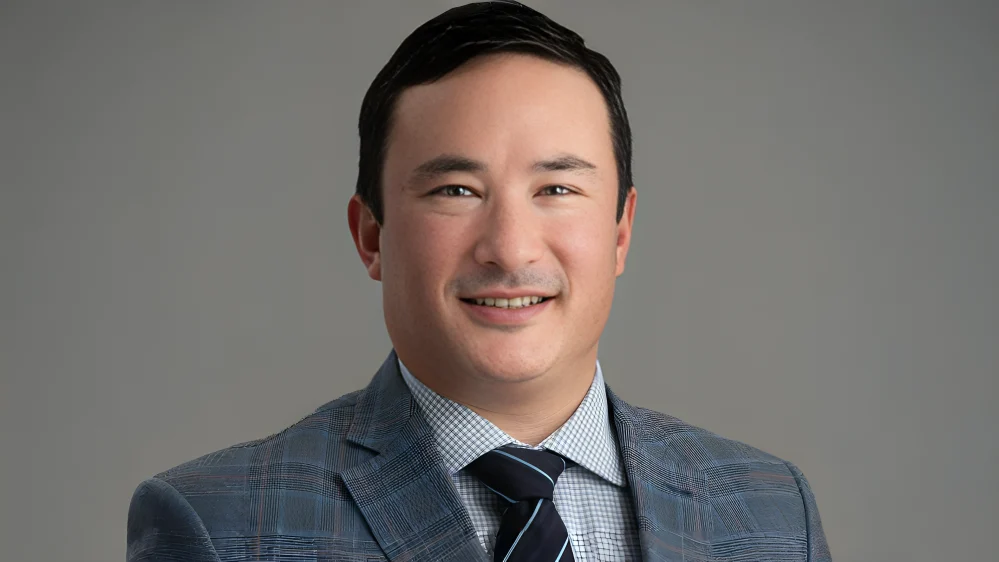
Randall Kimple, Chair of the Department of Radiation Oncology at UR Medicine and Wilmot Cancer Institute, shared on LinkedIn:
“September is Childhood Cancer Awareness Month, and I want to start it with a number that deserves to be better known: 85 percent.
That’s the share of children diagnosed with cancer in this country who are alive 5 years later. In the mid-1970s it was 58 percent. Very few numbers in medicine move that far inside one career.
I treat adults, mostly head and neck cancer, so this isn’t my clinic. I’m writing about it as someone standing a hallway over, paying attention to how it got done.
It got done through trials. A far larger share of children with cancer are treated on a clinical trial than adults are, because no single hospital sees enough of any one childhood cancer to answer a question by itself. So pediatric oncologists pooled their patients across institutions and asked the same question over and over, in small increments, across thousands of children and decades of follow-up. That’s an unusual amount of cooperation for medicine. It’s also the whole reason the number moved.
Here’s the part that gets less attention. We now have a large population of adults who had cancer as children, and their health is a field of its own. Roughly two thirds of childhood cancer survivors carry at least one lasting effect of treatment, and about a quarter carry something serious. Hearts, hearing, fertility, thyroid function, learning, second cancers. A treatment that saved a seven year old can still be shaping her life at thirty five.
Which is where my own specialty has to be honest. Radiation is very good at curing children, and it is not a free intervention in a body that’s still growing. That tension has driven a lot of the last two decades in pediatric radiation oncology: give less where less will do, aim more carefully where radiation is still needed, and never forget you’re treating someone who has sixty more years to live with the decision.
So, some names for the month.
- Pediatric hematologists and oncologists at Golisano Children’s Hospital, who have an unbearable conversation with two parents and then sit down on the floor with the kid.
- Pediatric nurses who get an IV into a frightened four year old on the first try.
- Child life specialists who explain a CT scanner in words a child can actually hold.
- Anesthesiologists who put a small patient under every weekday for weeks so she can lie still for four minutes of radiation. Radiation therapists who make that room less frightening than it has any right to be. Social workers sorting out the parent who just lost a job over this. Survivorship teams who follow those kids into adulthood and keep watching.
To colleagues across Wilmot Cancer Institute and UR Medicine caring for children with cancer, and for the adults those children become: thank you. And to the families who agreed to a trial while they were terrified, for a result that would arrive too late to help their own child: the 85 percent belongs to you.”
Other articles featuring Randall Kimple on OncoDaily.