





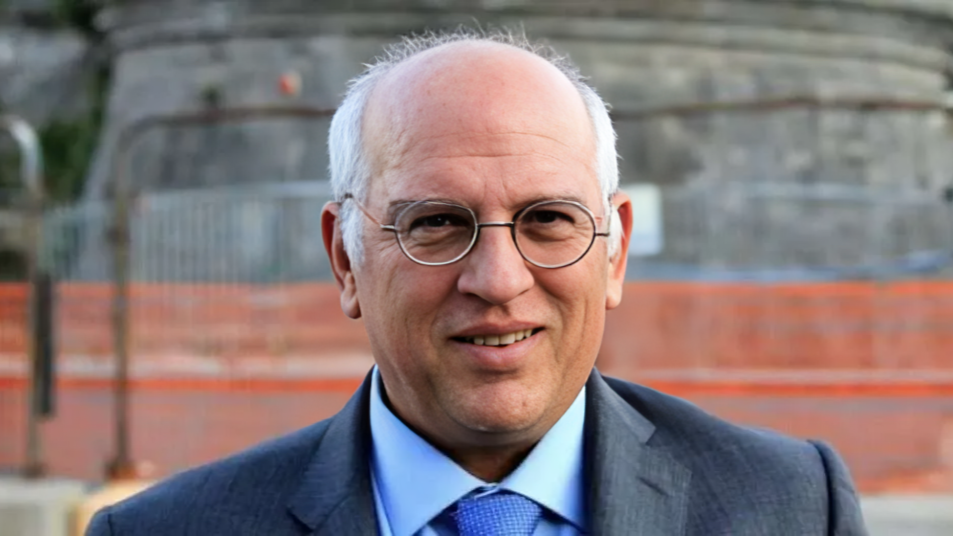
Paolo Ascierto, Full Professor of Oncology at the University of Naples Federico II, Director of the Department of Melanoma, Cancer Immunotherapy and Development Therapeutics at the National Cancer Institute IRCCS Pascale Foundation, shared a post on LinkedIn about a paper he co-authored with colleagues published in Cancer World:
“In my latest article, published in Cancer World, I outlined where immunotherapy stands today and where the next decade is heading.
Beyond PD-1: Mapping the Next Era of Immunotherapy
More than a decade ago, durable responses to checkpoint inhibitors signaled a turning point in oncology.
Anti–CTLA-4 opened the door; anti–PD-1 therapies reshaped the entire field.
For patients with advanced melanoma and other cancers, long-lasting remissions became a realistic possibility.
But we are now at a crossroads.
PD-1 inhibitors remain foundational, yet the field has plateaued: not all patients respond, some relapse, and access across Europe remains uneven.
So, what comes next?
New Immune Targets
Beyond LAG-3, TIGIT and TIM-3. Some combinations show promise but are unlikely to replicate the disruptive impact of early checkpoint inhibitors.
‘Smart’ Cytokine
Engineered IL-2, IL-15, IL-18 and others designed to empower effector cells while reducing toxicity — ideal partners for reshaping immunity in “cold” tumors.
Personalized mRNA Vaccines
A potential paradigm shift. In melanoma, V940 + pembrolizumab significantly reduced recurrence risk by rebuilding immune priming and expanding T-cell diversity.
Cell Therapy for solid Tumors
TIL therapy demonstrates benefit even in heavily pretreated, PD-1–resistant melanoma. Infrastructure remains a crucial bottleneck for widespread adoption.
The Rise of T-Cell Engagers
By physically bridging T cells to tumor cells, next-generation TCEs create immune synapses independently of pre-existing priming – a powerful strategy against PD-1 resistance.
NADINA and the Evolution of Neoadjuvant Immune Priming
The NADINA studies highlight a pivotal shift: activating and educating the immune system before surgery.
This approach yields deeper pathological responses, stronger immune activation, improved long-term outcomes and enables potential post-surgical therapy de-escalation.
The Core Insight
The future of immunotherapy will not come from multiplying checkpoints, but from integrating strategies that rebuild priming, shape activation and sustain immune memory.
The European Challenge
Rapid innovation requires equally rapid solutions for access, infrastructure and sustainable reimbursement to avoid widening disparities.
Conclusion
We are entering the second phase of immunotherapy – a phase defined by therapies that teach the immune system, not merely release it.
Melanoma will remain the natural testing ground, but the implications are far broader.”
More posts featuring Paolo Ascierto.