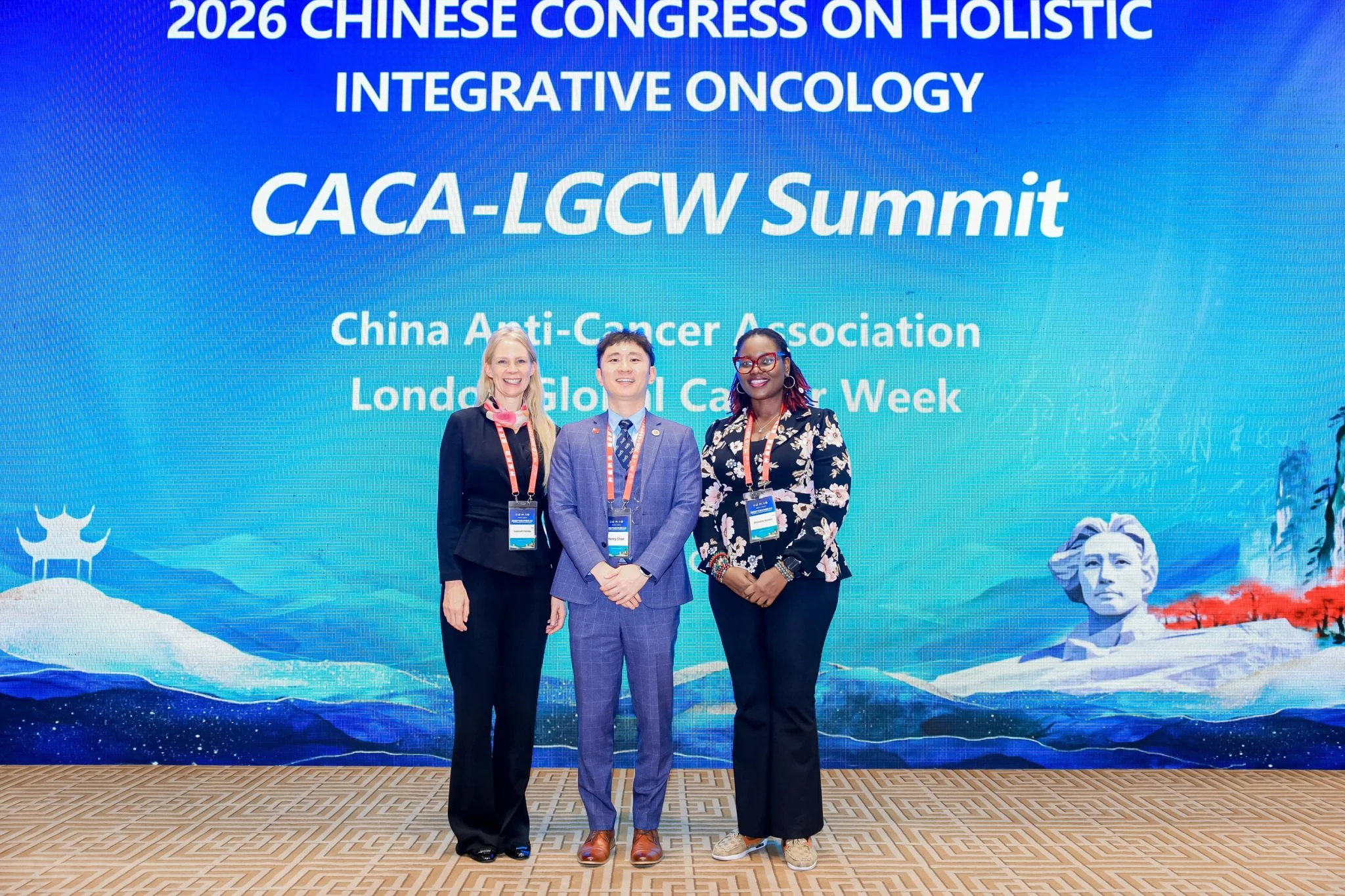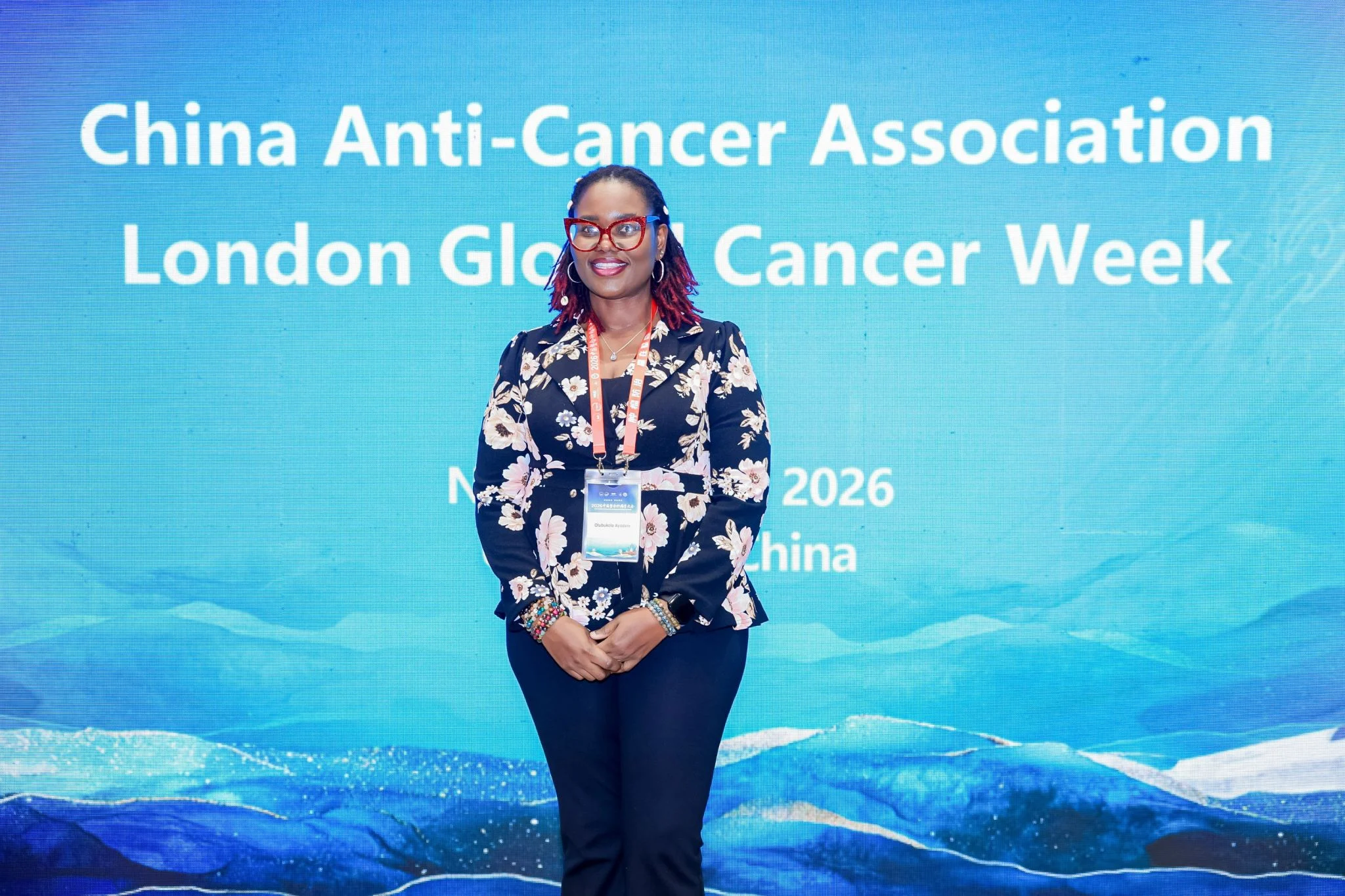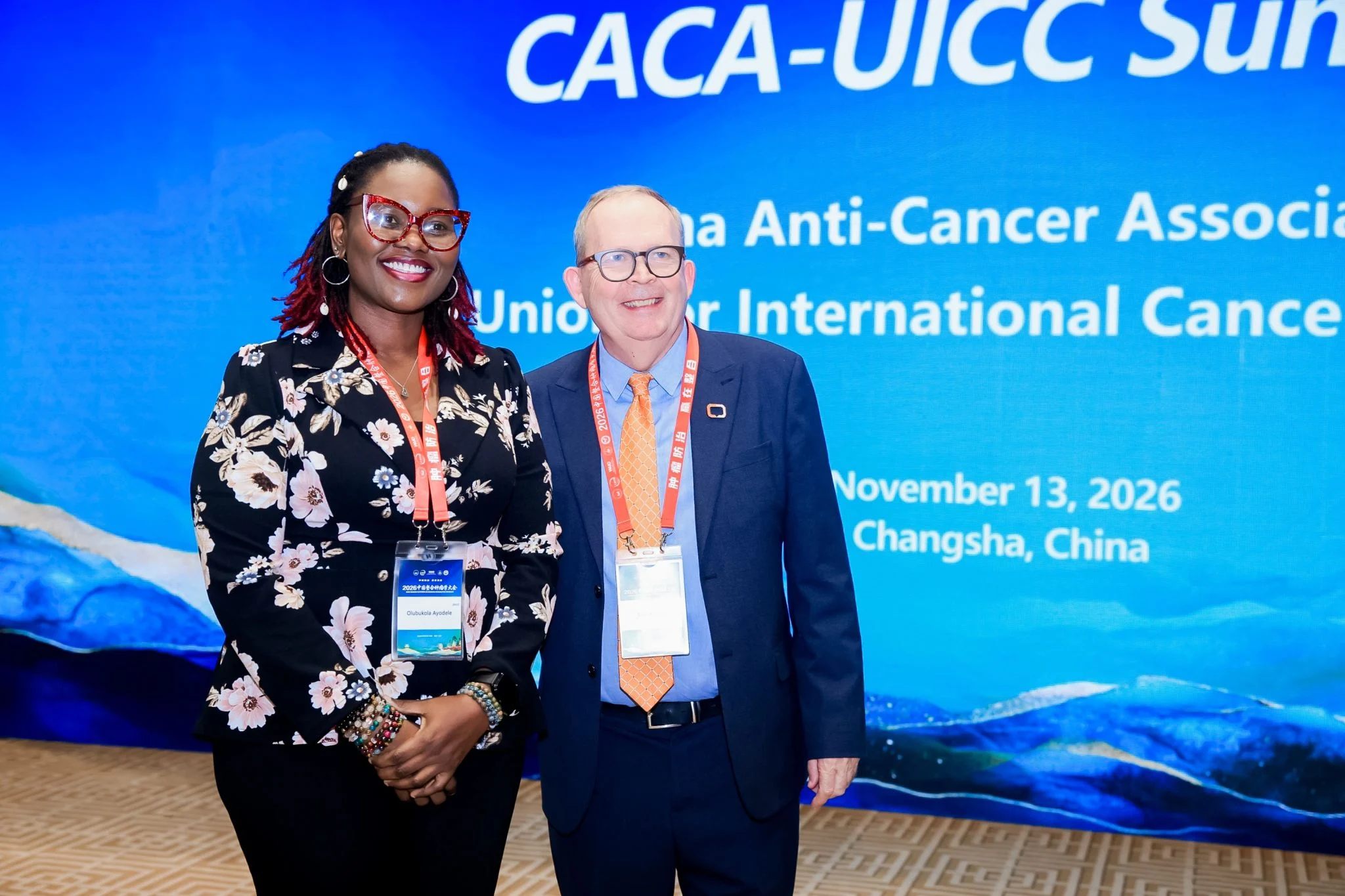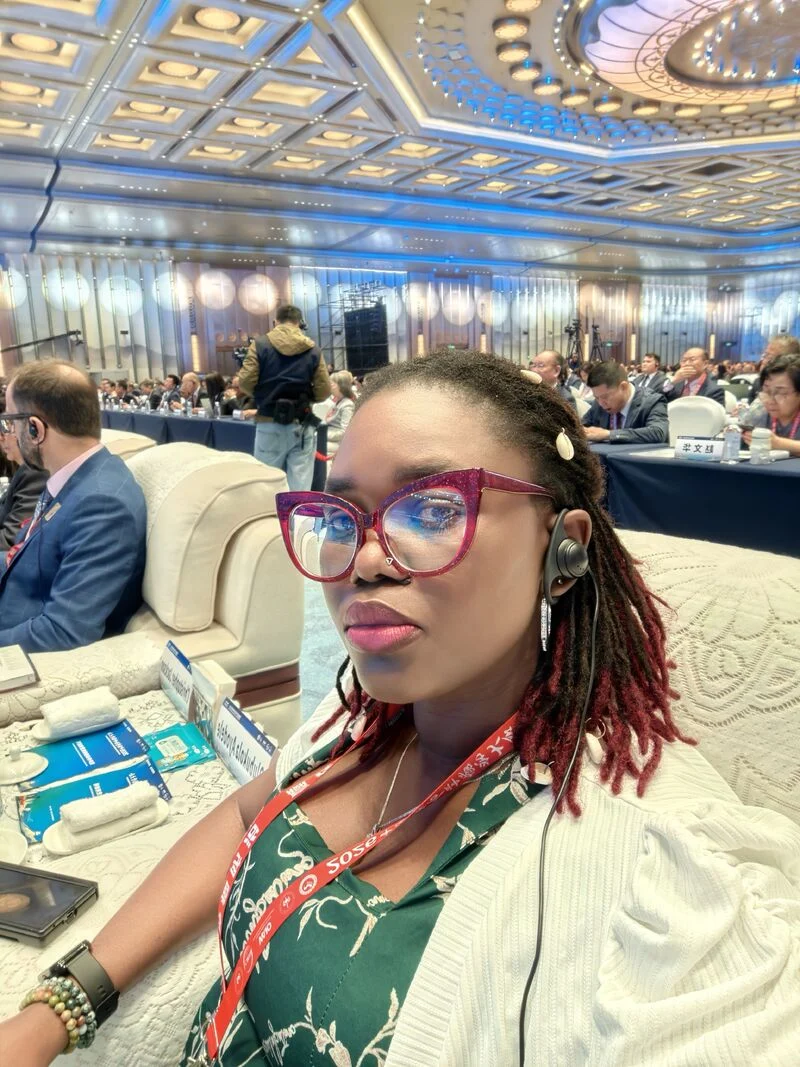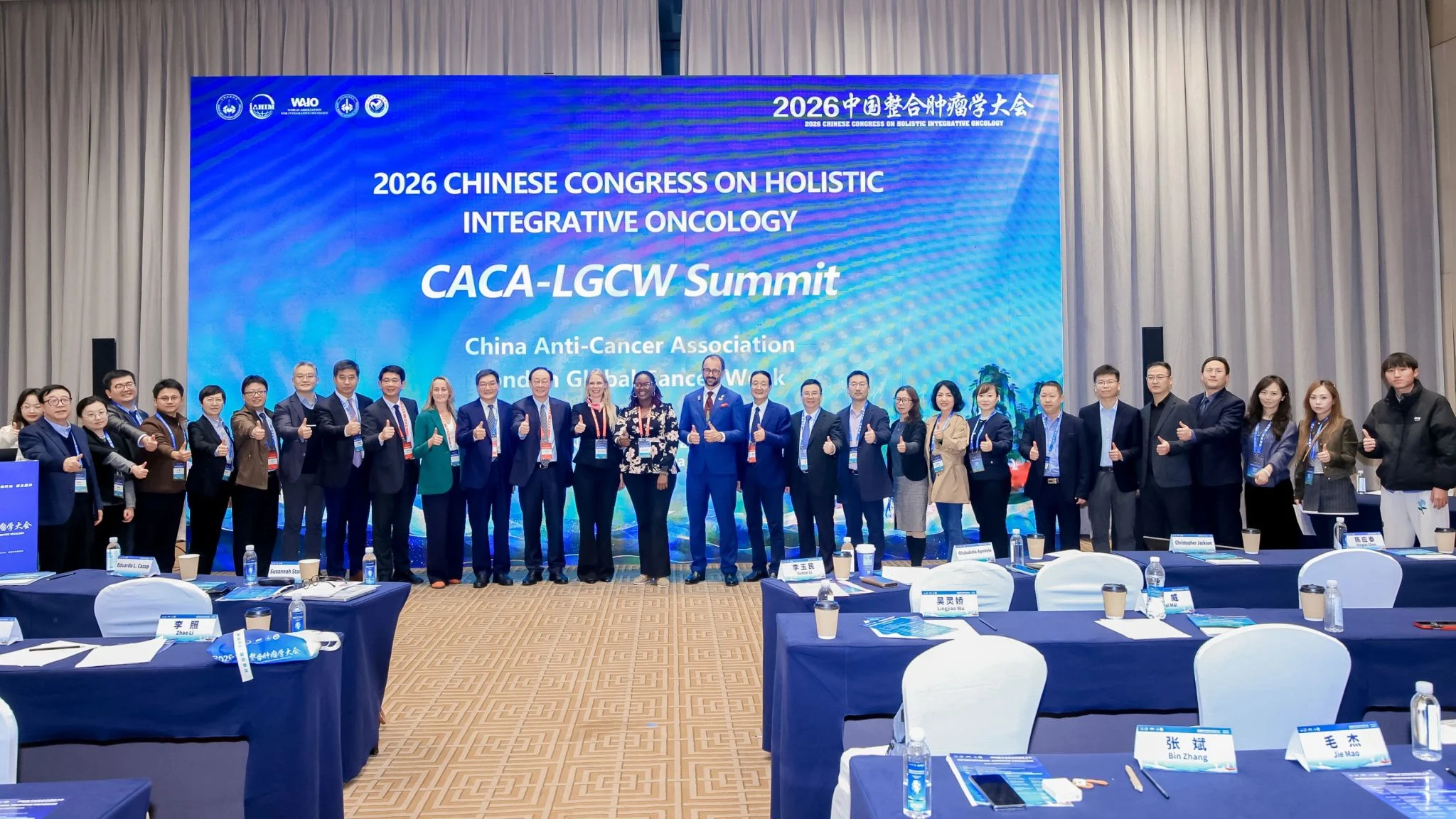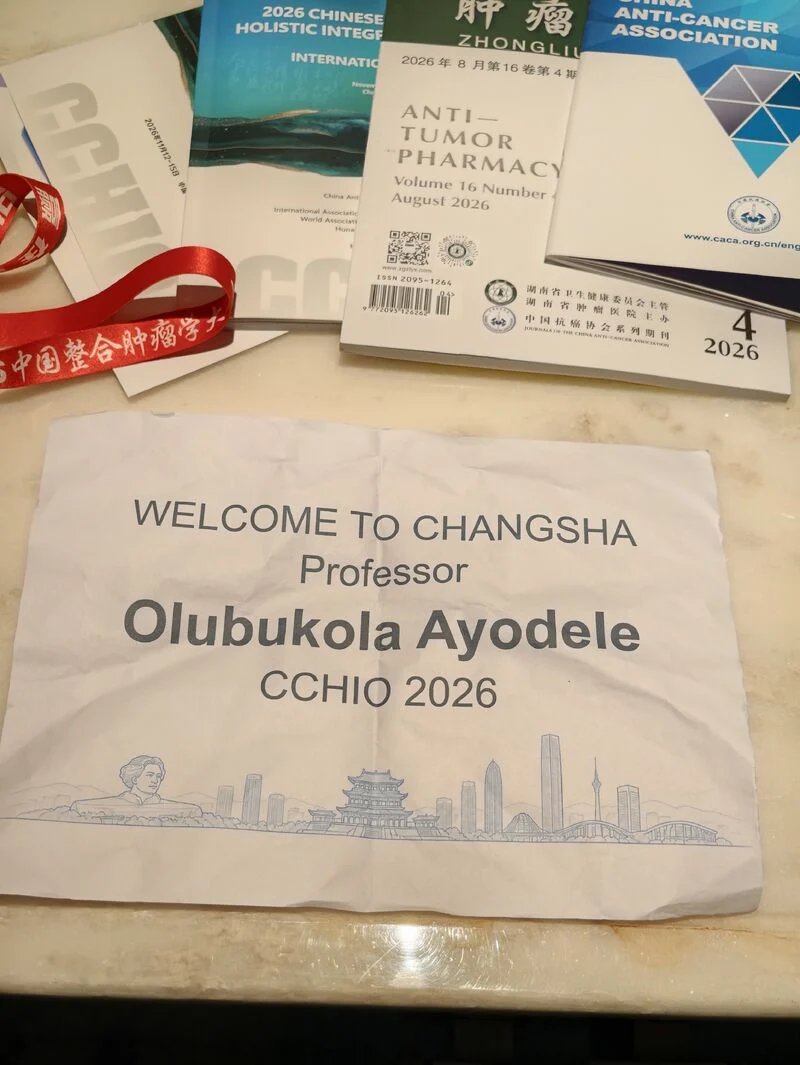
Olubukola Ayodele, Co-Convenor (Co-Chair) of London Global Cancer Week, shared on LinkedIn:
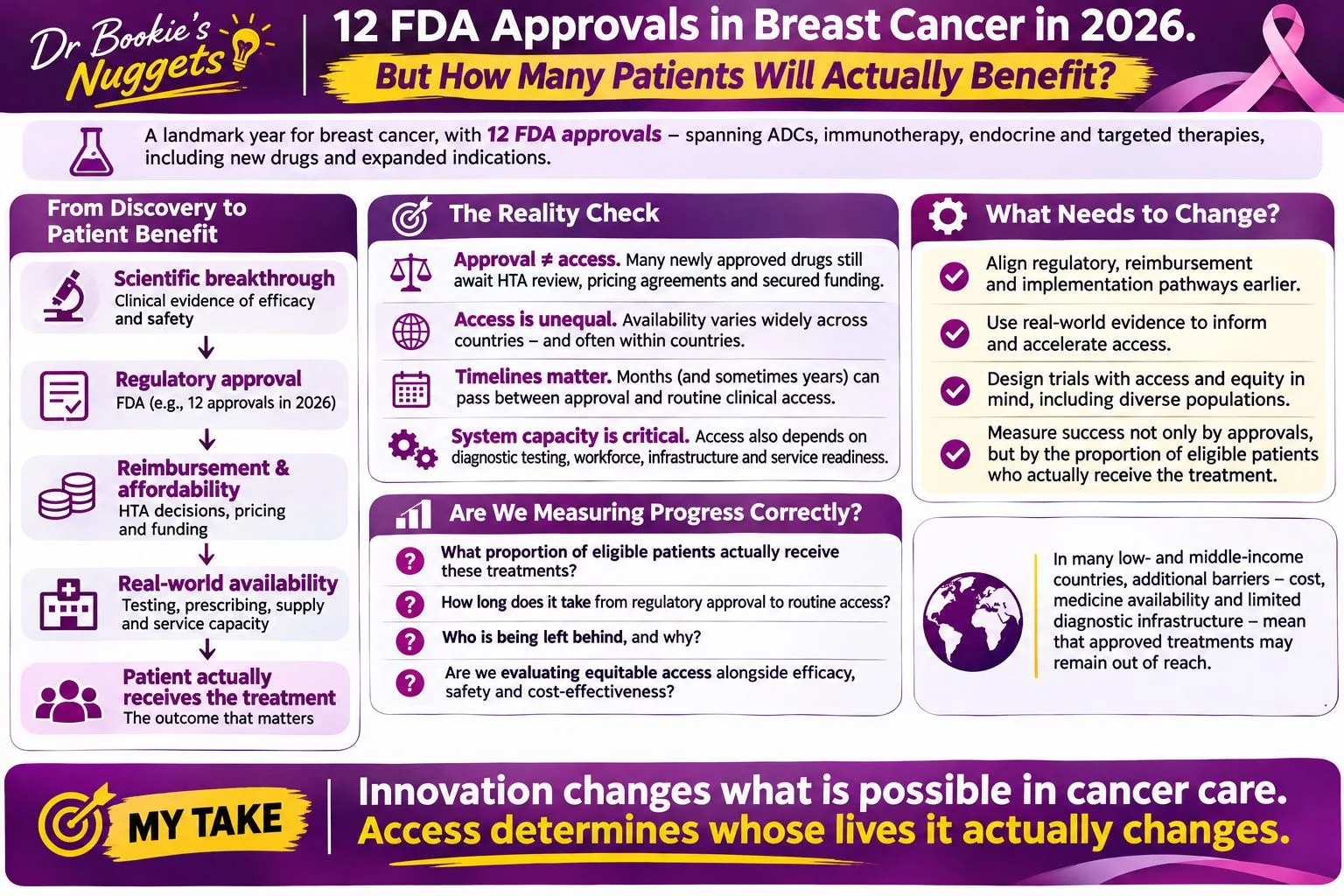
“12 FDA approvals for breast cancer in 2026, but precision medicine for whom?
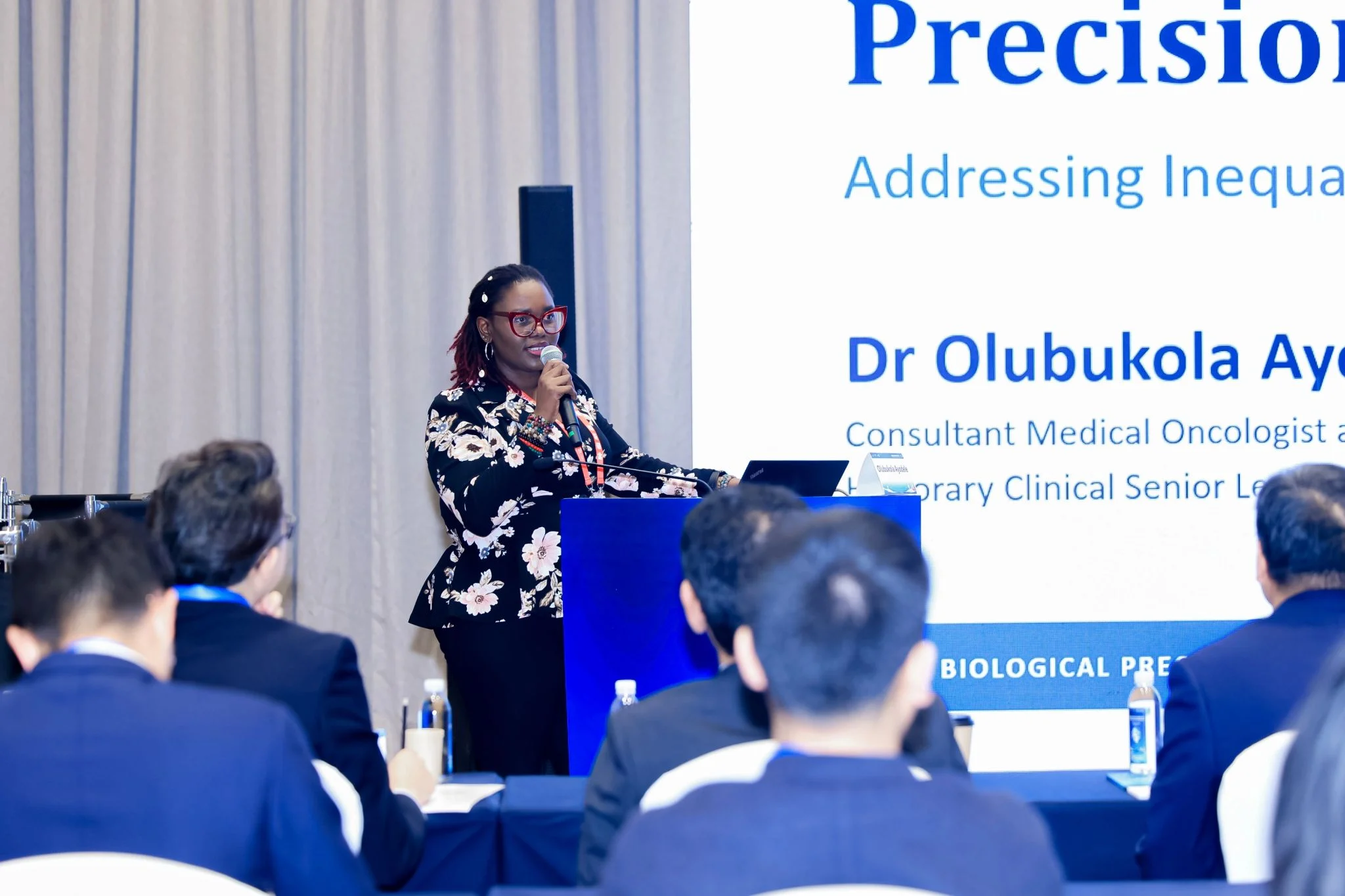
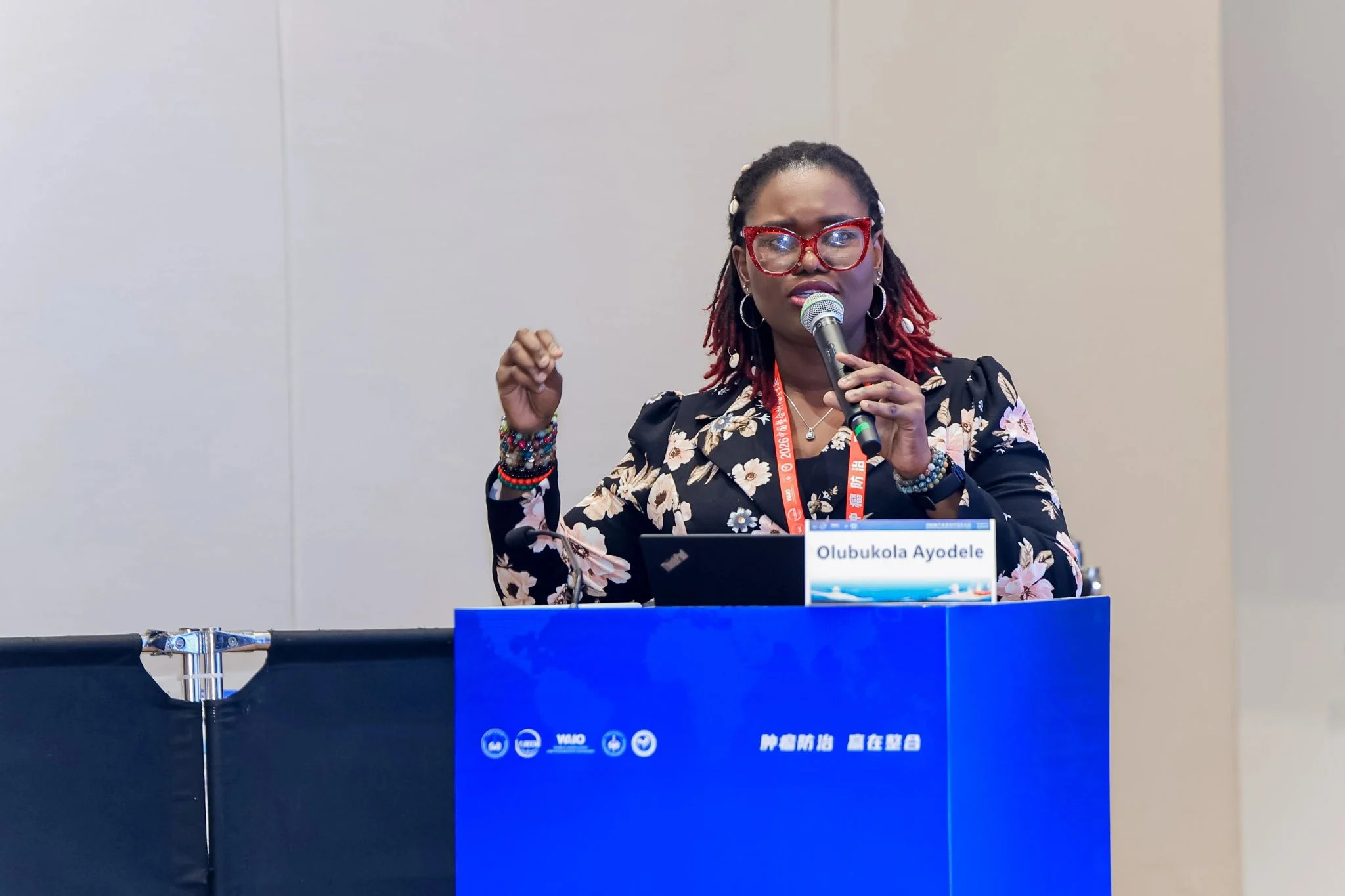
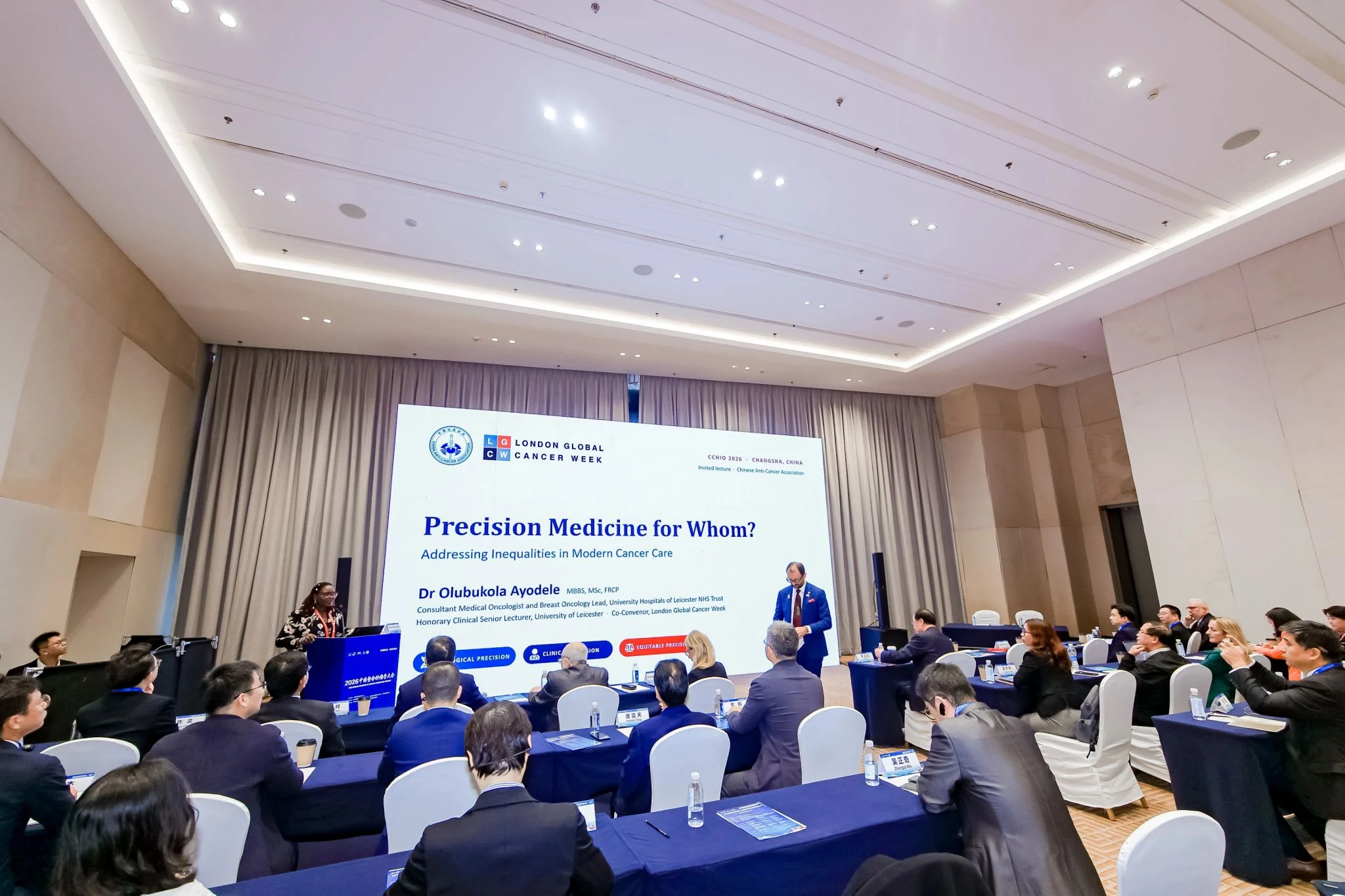
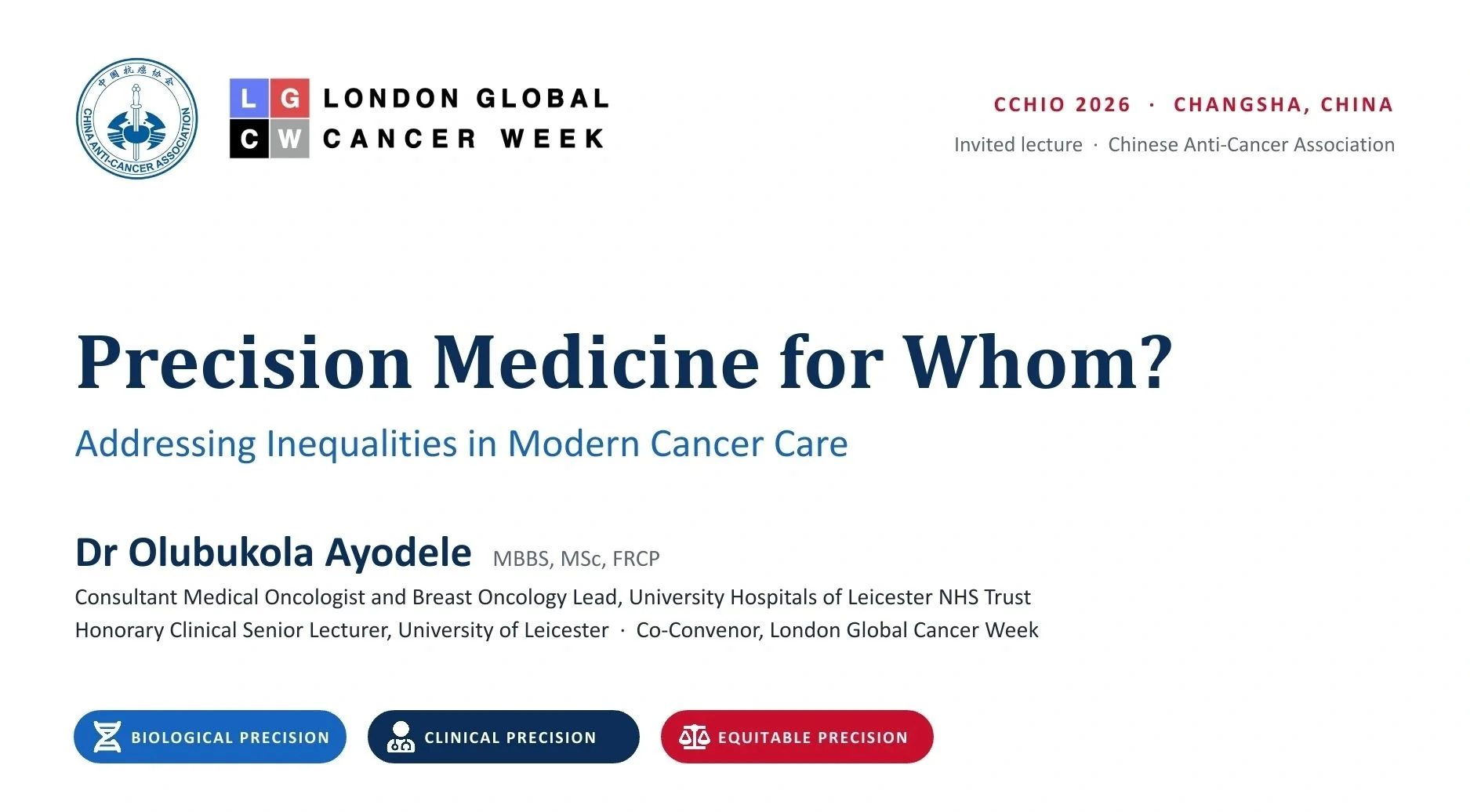
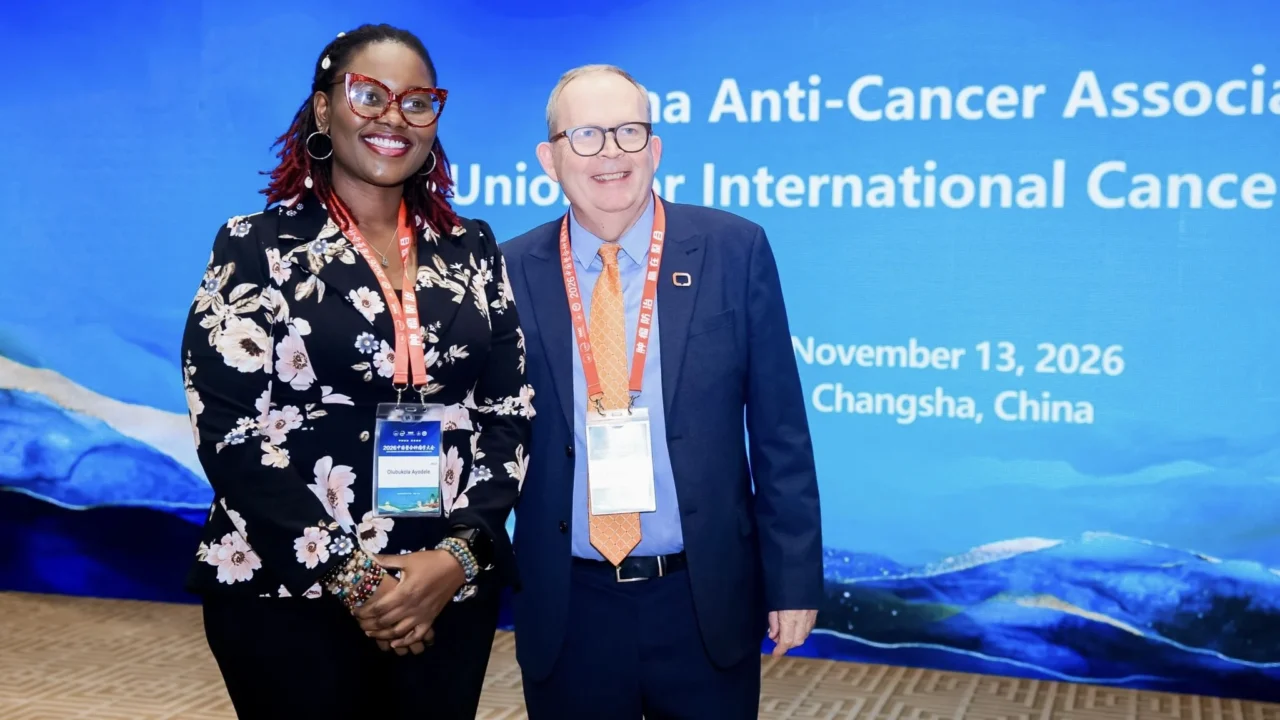
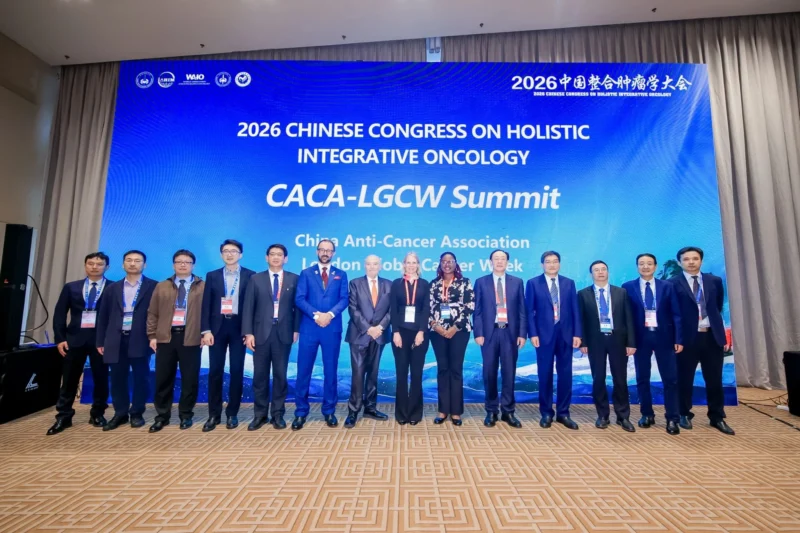
Just days ago, at the Chinese Anti-Cancer Association CCHIO 2026 in Changsha, China, I delivered a lecture titled ‘Precision Medicine for Whom? Addressing Inequalities in Modern Cancer Care.’
The latest FDA approval of giredestrant + everolimus reinforces why this conversation is so important.
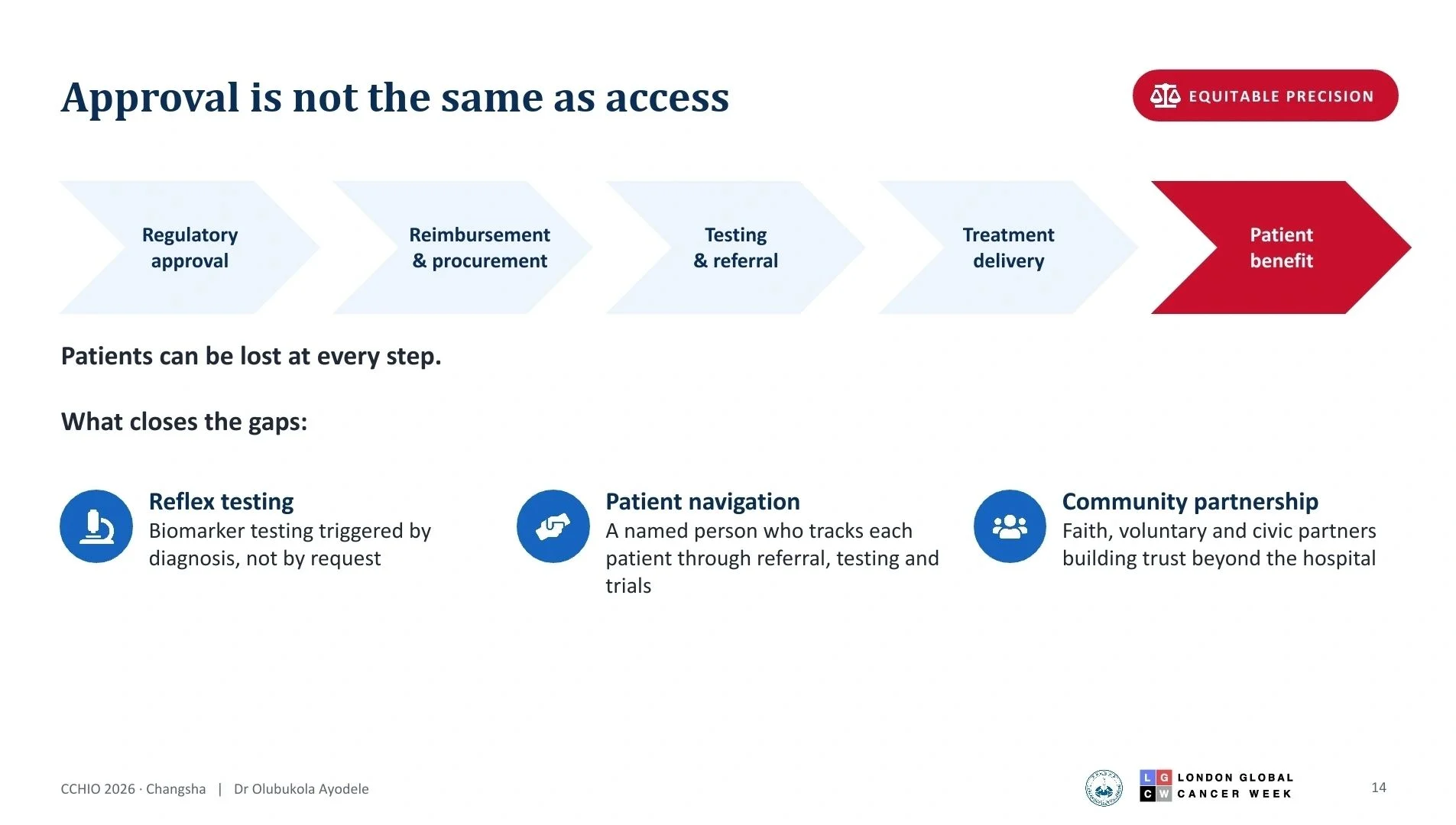
As an oncologist, I no longer get as excited about new drug approvals as I once did. Not because the science is any less impressive, but because regulatory approval does not equate to patient access.
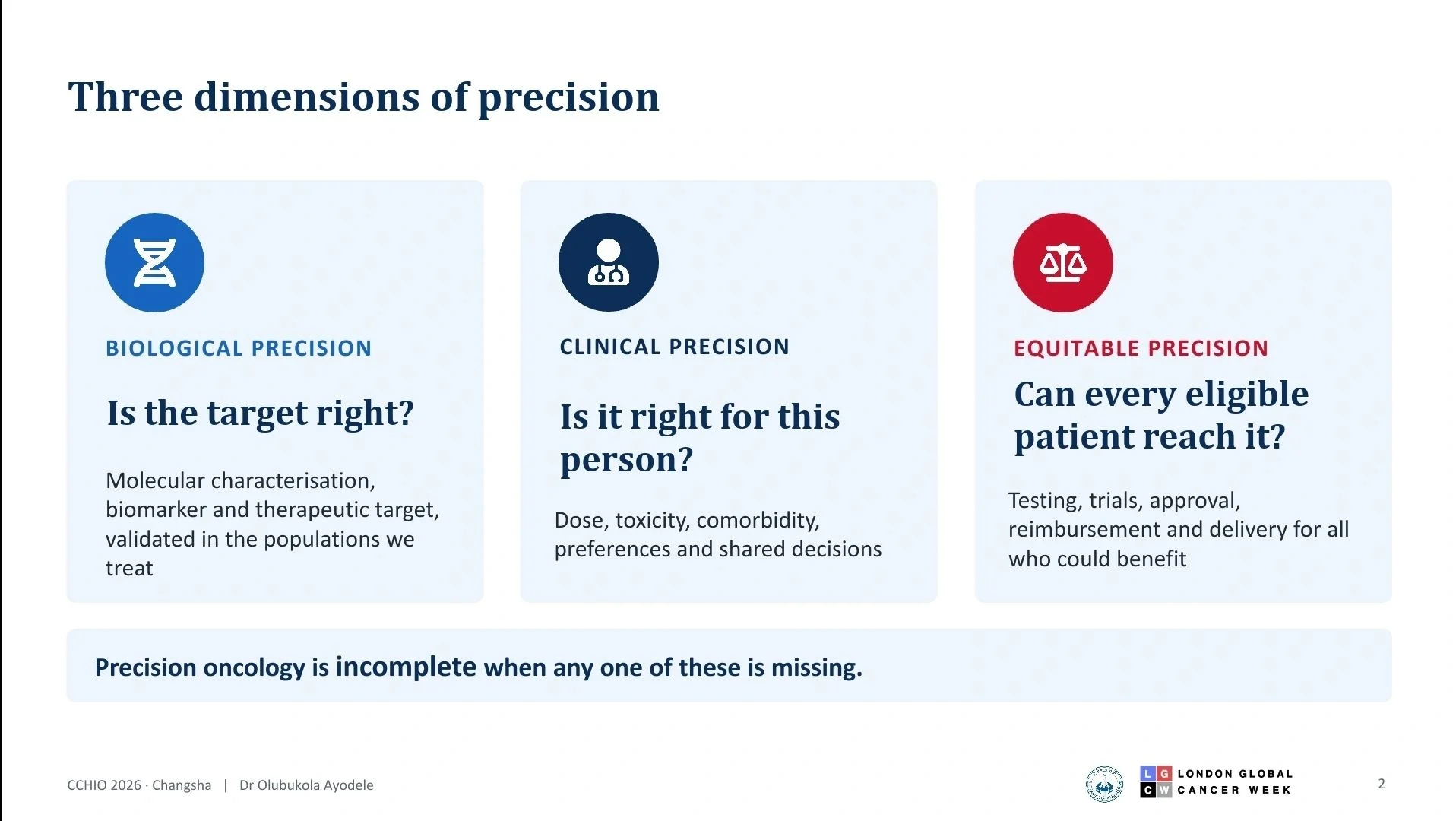
In Changsha, I proposed three dimensions of precision oncology:
- Biological Precision: Is the target right? Have we identified the molecular alteration and validated the therapeutic target in the populations we treat?
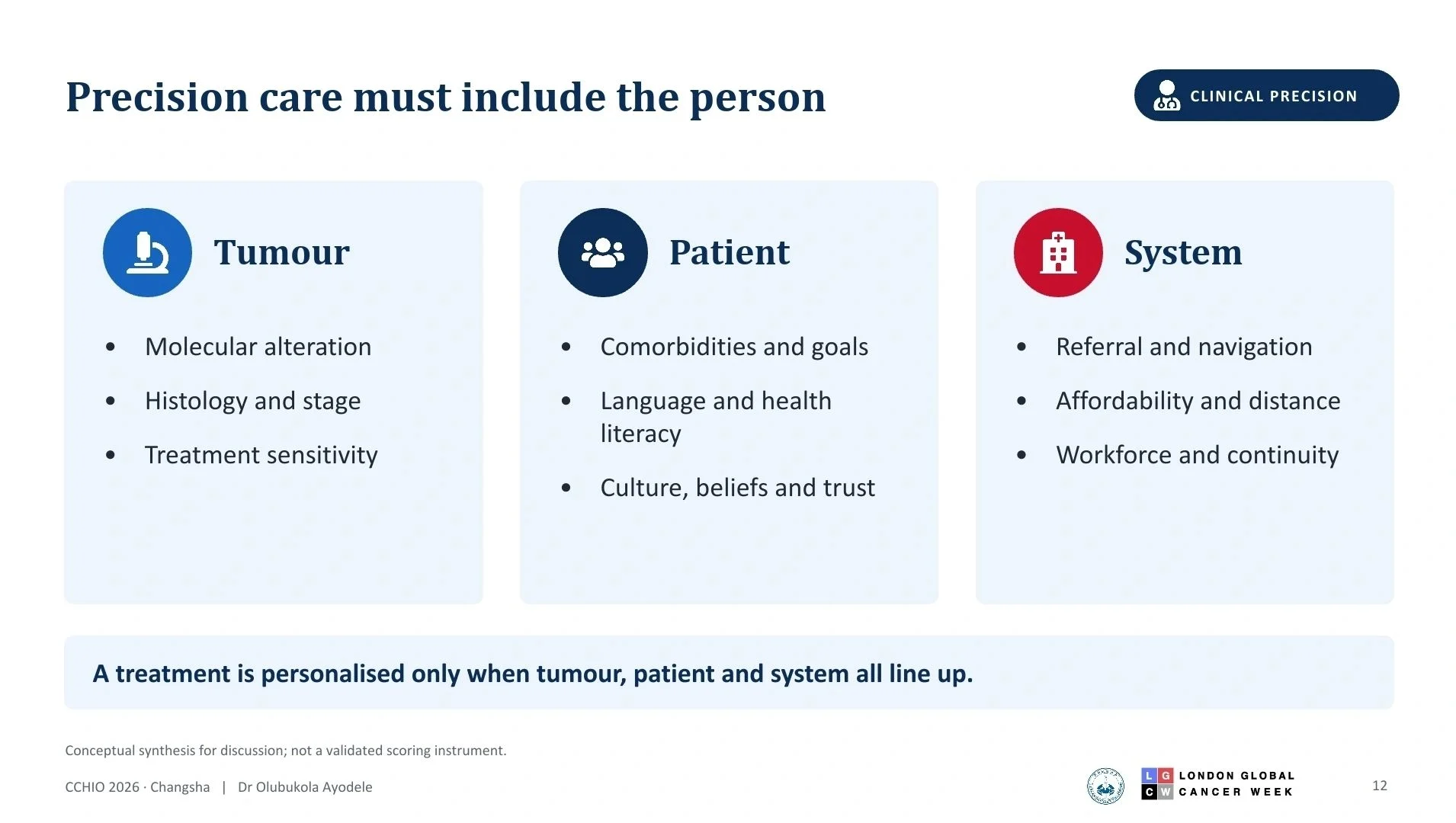
- Clinical Precision: Is the treatment right for this individual, considering toxicity, comorbidities, preferences and personal circumstances?
- Equitable Precision: Can every eligible patient actually access the diagnostic tests and treatments from which they could benefit?
Precision oncology is incomplete when any of these dimensions is missing.
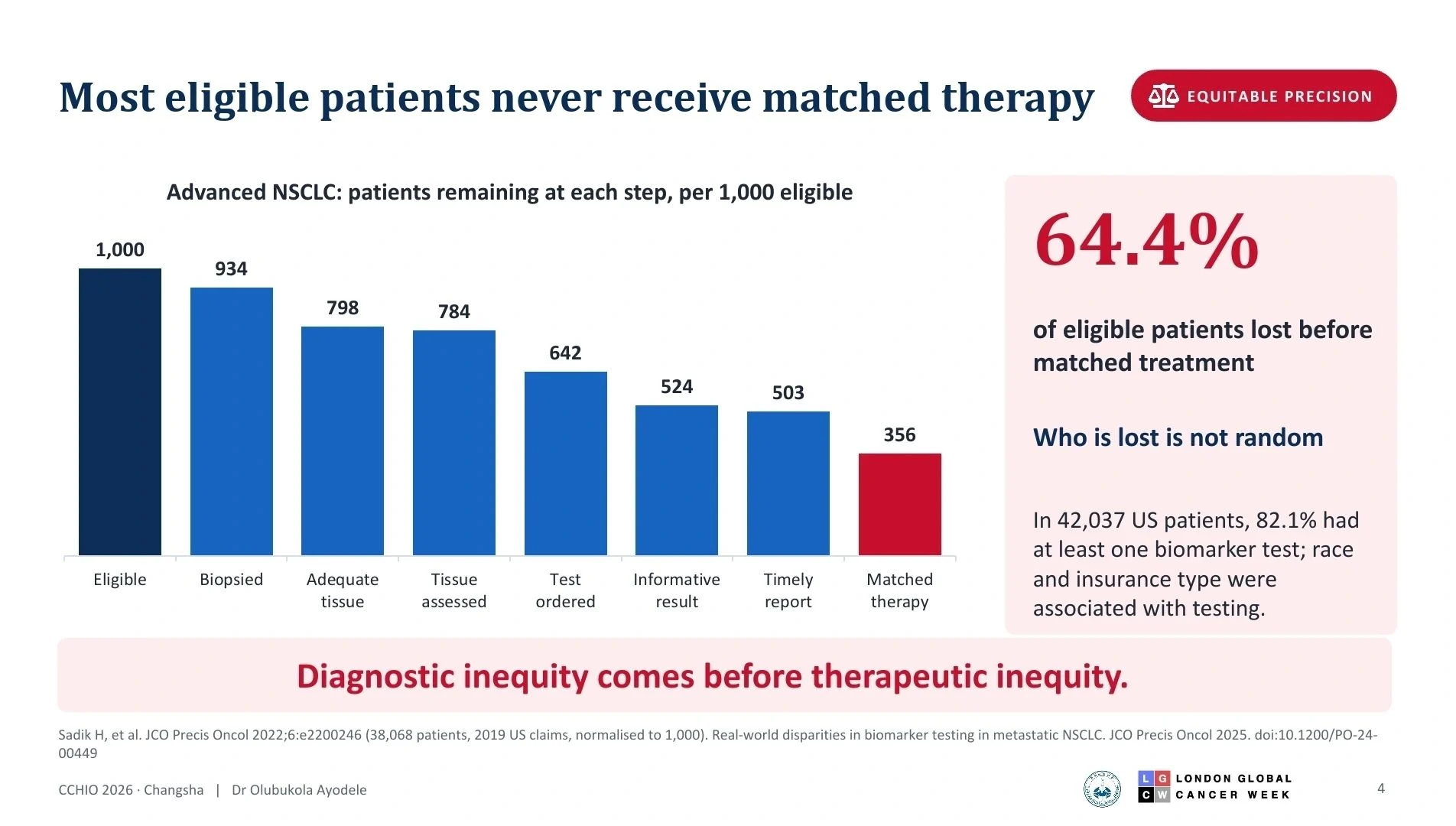
A US study involving over 38,000 patients with advanced NSCLC illustrated the magnitude of the problem. For every 1,000 eligible patients, only 356 ultimately received matched therapy.
Nearly two-thirds were lost along the precision medicine pathway, despite being in a well-resourced healthcare system.
Diagnostic inequity precedes therapeutic inequity.
For a patient with metastatic breast cancer, what is the value of an ESR1-directed therapy if molecular testing is inaccessible or the treatment is unaffordable?
These inequalities exist both within and between countries.
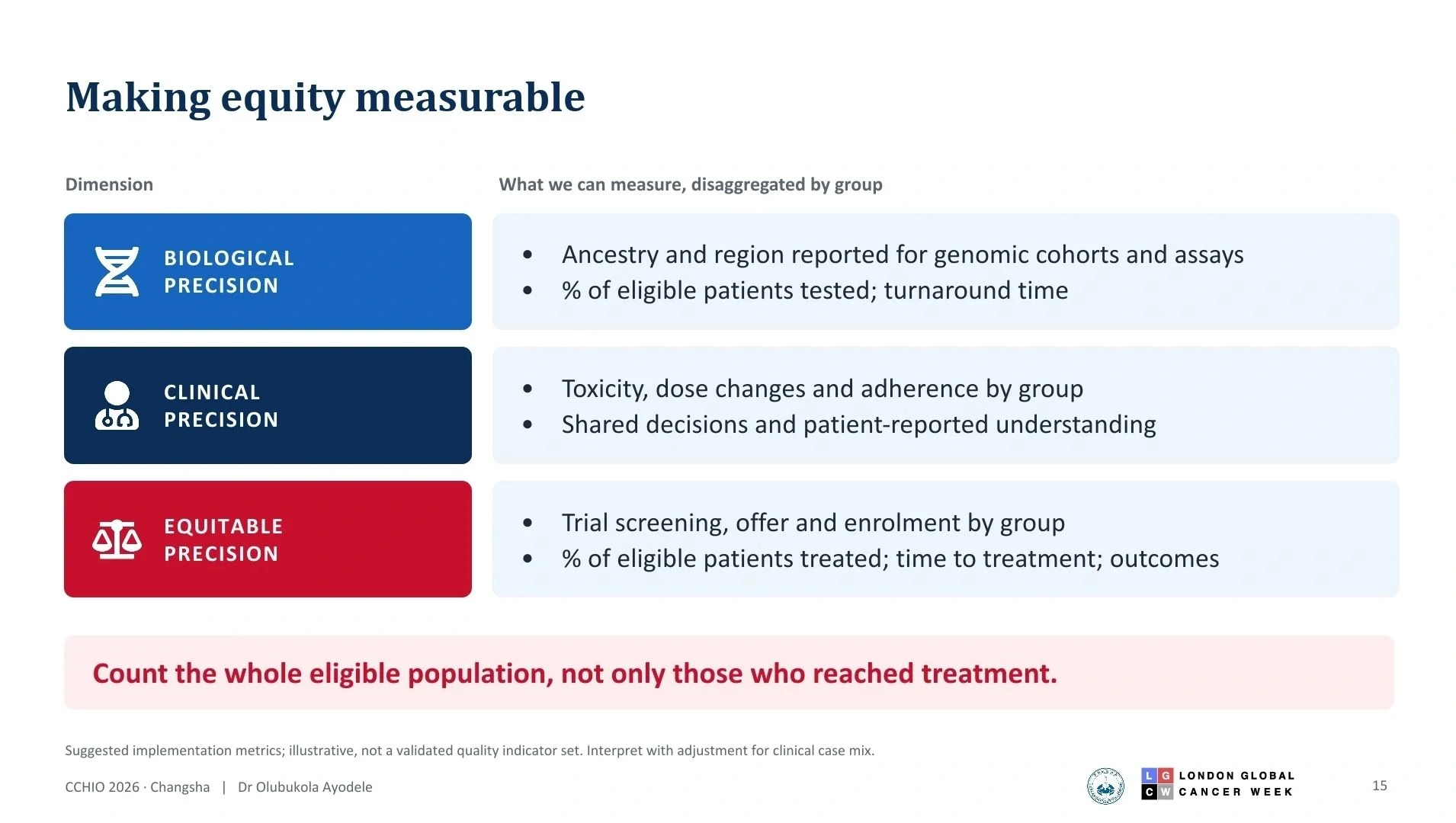
We celebrate regulatory approvals, response rates and survival gains, but we must apply the same scientific rigour to measuring equitable access.
- What proportion of eligible patients undergo biomarker testing?
- How many receive the recommended treatment?
- How long does it take from approval to routine clinical access?
- Which populations are systematically being left behind?
The denominator matters. We must count the entire eligible population, not simply those who successfully reach treatment.
Equity must become an integral part of drug development, clinical research and healthcare delivery, rather than a conversation that begins after regulatory approval.
Innovation changes what is possible in cancer care. Access determines whose lives it actually changes.
We must judge innovation not only by what we discover, but by whom it reaches.
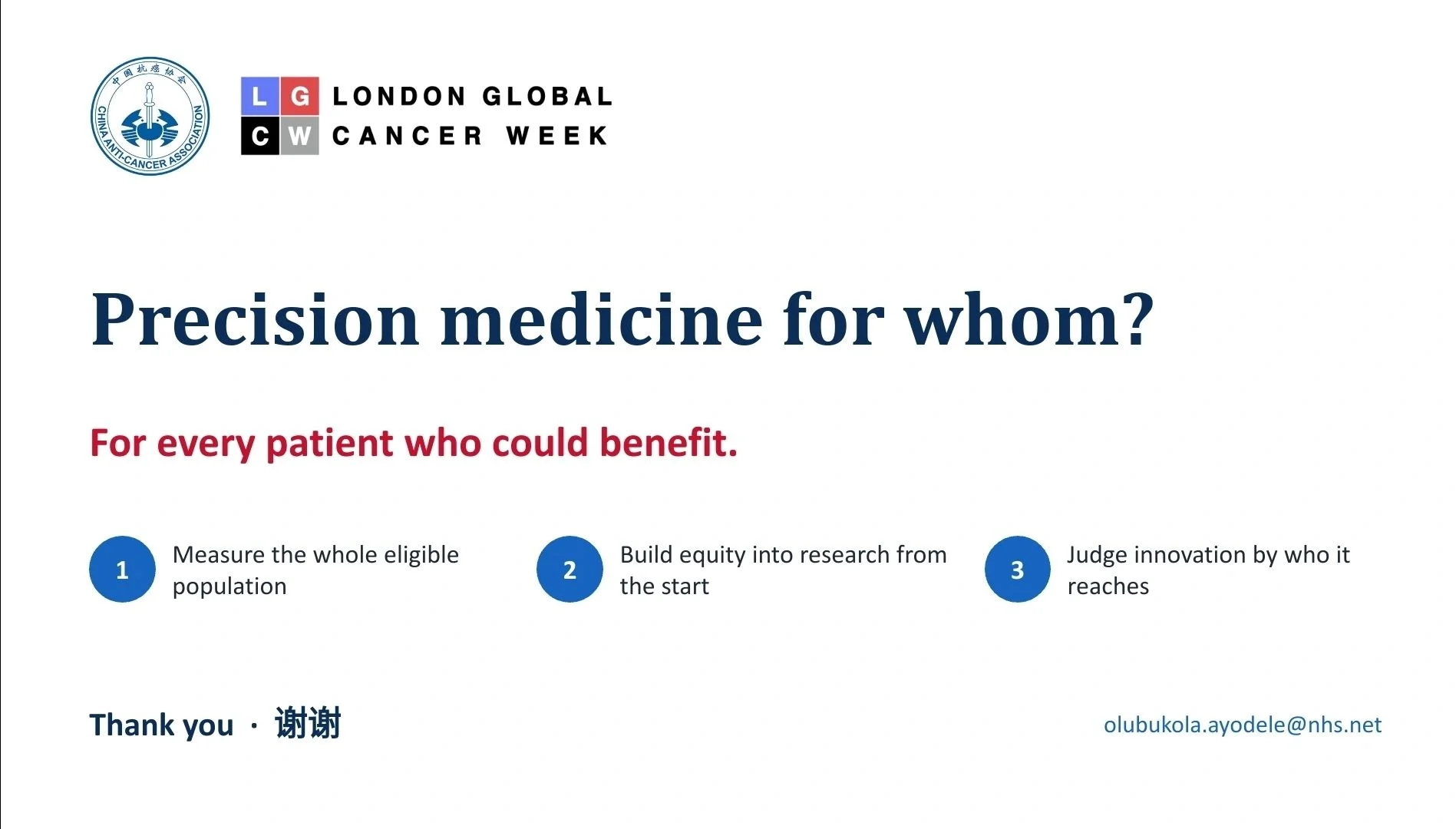
So, precision medicine for whom?
For every patient who could benefit.”
You can also read: Oncologists Discuss FDA Approval of Giredestrant + Everolimus for ESR1-Mutated Advanced Breast Cancer