






Olubukola Ayodele, Breast Cancer Lead at University Hospitals of Leicester NHS Trust, shared a post on LinkedIn:
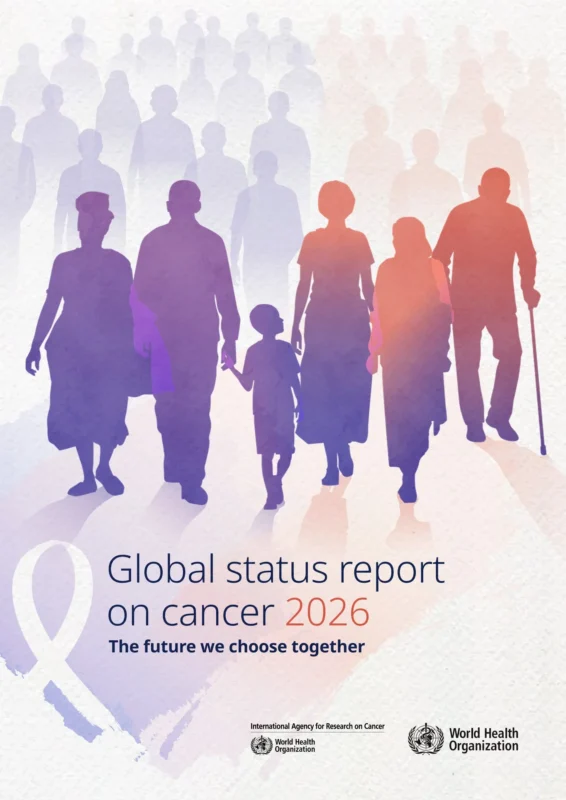
“The newly released WHO Global Status Report on Cancer 2026 is one of the most important cancer policy documents published in recent years. While it presents sobering statistics, its central message is surprisingly hopeful.
‘We already know what works.’
Nearly 40% of cancers are preventable. We know how to reduce tobacco use, increase HPV vaccination, promote healthier lifestyles, diagnose cancers earlier and deliver effective treatment.
The problem isn’t a lack of evidence. The problem is implementation.
Today:
- 20.6 million people are diagnosed with cancer every year.
- This will rise to 35 million annually by 2050.
- 1 in 5 people will develop cancer during their lifetime.
- When families and caregivers are included, around 92% of the world’s population will be affected by cancer at least once.
- Yet only 12 countries are on track to meet the Sustainable Development Goal of reducing premature cancer mortality by one-third by 2030.
The report’s most powerful message is this: For many people, survival depends less on the biology of their cancer than on where they live, what they earn, and whether their health system functions.
As an oncologist, that resonates deeply.
Every week I see patients whose outcomes are shaped not only by their tumor, but by delayed diagnosis, health literacy, financial pressures, fragmented services and unequal access to care. These are health system problems.
The report also reminds us that cancer affects far more than the body. It impacts mental health, employment, family life and finances. Around half of families worldwide experience catastrophic financial hardship because of cancer, while only 14% of people needing palliative care receive it.
WHO calls for three shifts:
- Better capabilities through stronger health systems.
- Better protections for patients and families.
- Better value by investing in interventions that deliver meaningful outcomes, not simply the newest technology.
This aligns closely with what many of us working in cancer inequalities have been advocating for years.
Innovation is essential, but innovation without implementation risks widening inequalities.
The future of cancer care will be determined not only by the next breakthrough, but by whether proven interventions reach everyone who needs them. Evidence changes practice only when it is implemented. Implementation changes lives.
It’s wonderful to see the names of several speakers who will be joining us at London Global Cancer Week 2026 recognised among the contributors to this landmark WHO report. It is a reminder that the conversations we will be having in November in London are not happening in isolation, but are part of the global effort to improve cancer outcomes and reduce inequalities.”
Other articles about WHO on OncoDaily.