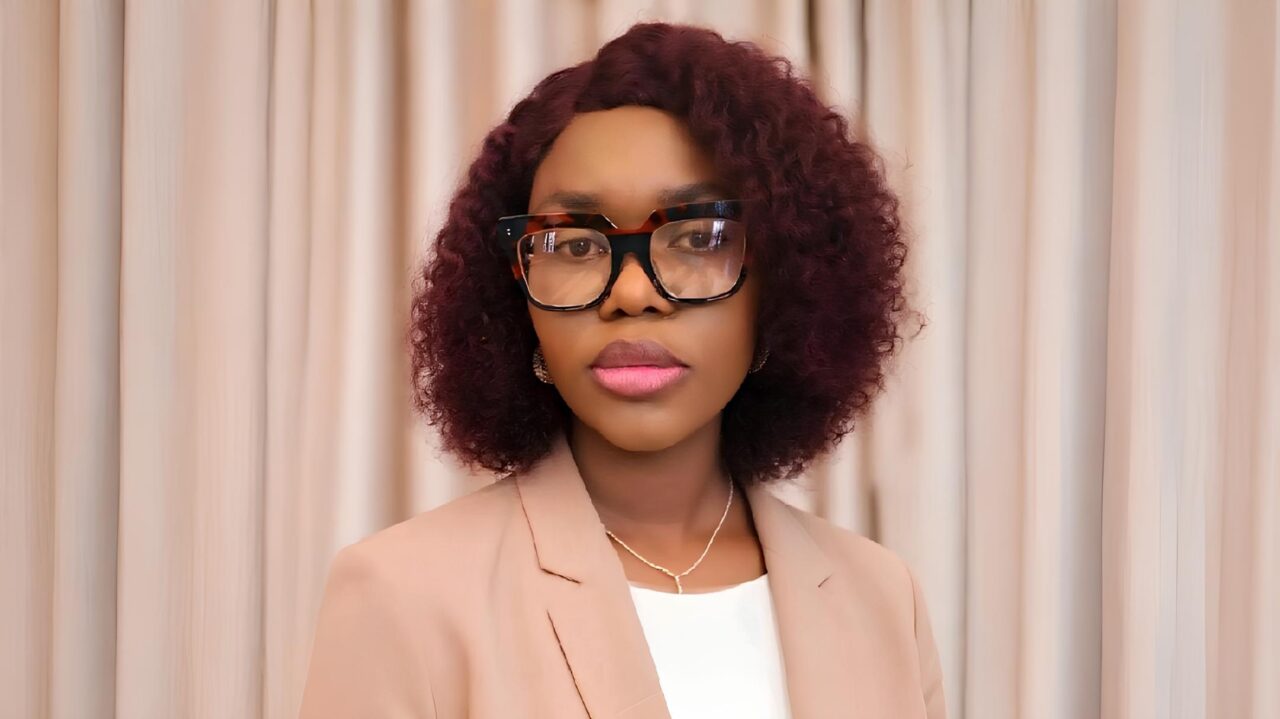
Olubukola Ayodele, Breast Cancer Lead at University Hospitals of Leicester NHS Trust, shared a post on LinkedIn:
“My 8 year old son and I were having a conversation the other day and he said
‘Mummy, I know you are a doctor but what is it exactly that you do?’
What is medical oncology? Who is a medical oncologist?
It’s a question I’m asked often. And the answer is rarely as simple as people expect.
Many assume my work is just about chemotherapy. That I prescribe drugs, manage side effects, and move on. The reality is very different.
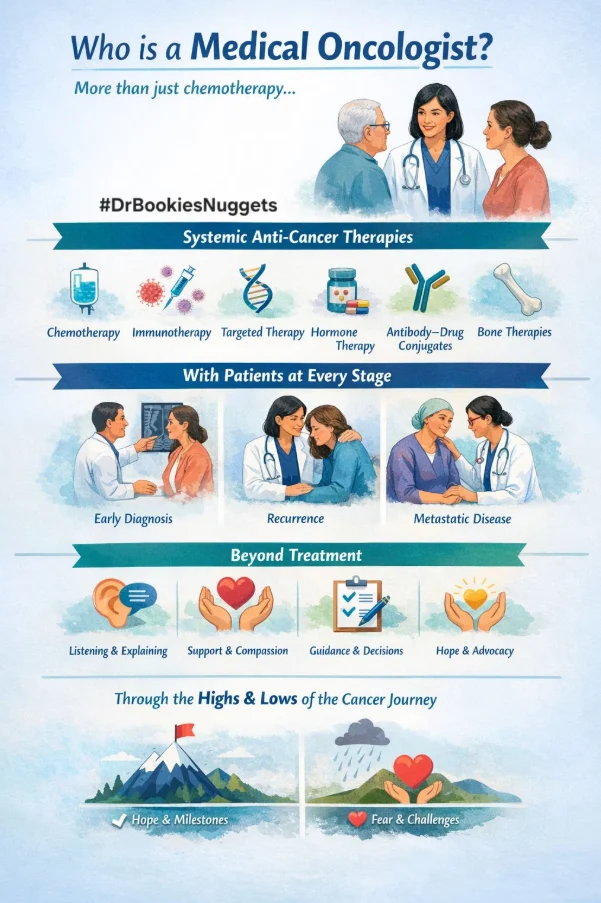
Medical oncology encompasses systemic anti-cancer therapy in all its forms, including chemotherapy, endocrine therapy, targeted therapies, immunotherapy, antibody–drug conjugates, bone-modifying agents, and more.
Each treatment decision is carefully individualised, guided by science, tumour biology, stage of disease, weighing benefits and risks, but most importantly, the values and priorities of the person in front of me.
But this role is far more than treatments.
As medical oncologists, we are often the one constant across a patient’s entire cancer journey. We meet people at diagnosis in the early setting. We follow them through years of surveillance. We walk alongside them through recurrence, if it happens. And for some, when the disease becomes metastatic, we remain with them through that journey, whatever shape or form.
We see the whole spectrum.
The Highs: scans that bring relief, treatments that work, milestones reached, hope restored.
The Lows: progression, difficult choices, toxicities, fear, grief, and uncertainty.
We support not only patients, but also their families. We explain complex information in overwhelming moments. We listen when words are hard to find. We sit in silence and hold space when there are no easy answers. We guide decisions when there is no perfect option. Sometimes we treat actively. Sometimes we focus on comfort and quality.
But always we advocate.
Medical oncology is a science, but it is also compassion, continuity, presence, and TRUST built over time. It is being there, again and again, through some of the most vulnerable moments of a person’s life.
It is a privilege I never take lightly.
And it is far more than “just chemotherapy”.
At the end of day, I told my son,
‘Think of Mummy as a Potions Master without the fancy dressing and magic wand, that uses her knowledge to find the best brew to help destroy bad cells, thereby, helping people to feel better and live longer.’
More posts featuring Olubukola Ayodele