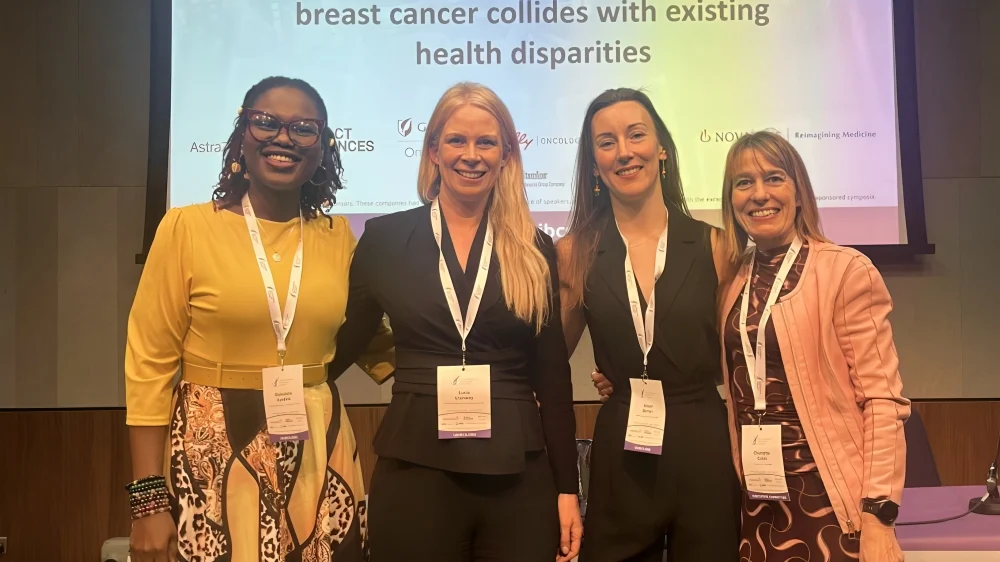
Olubukola Ayodele, Breast Cancer Lead at University Hospitals of Leicester NHS Trust, shared a post on LinkedIn:
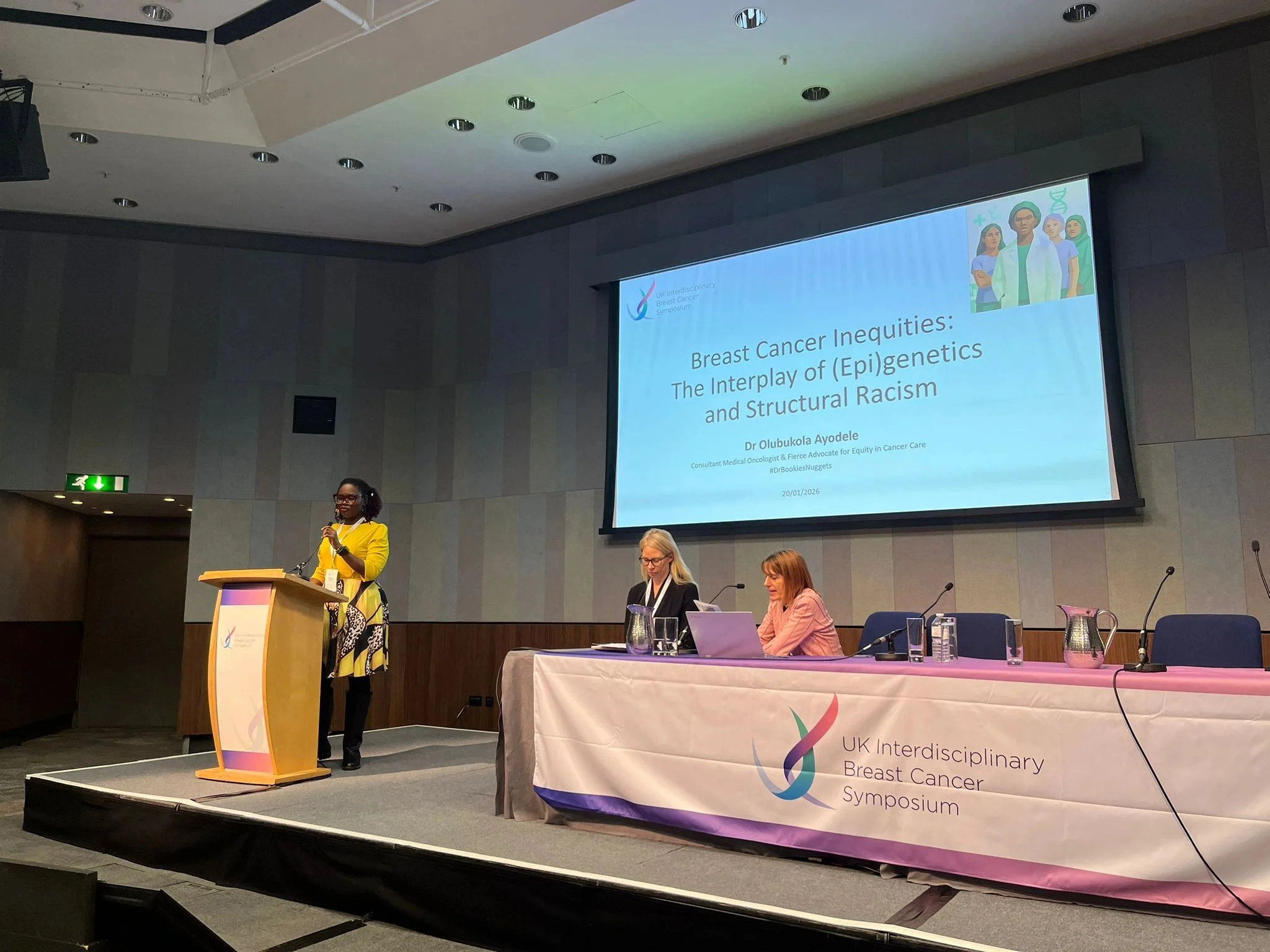
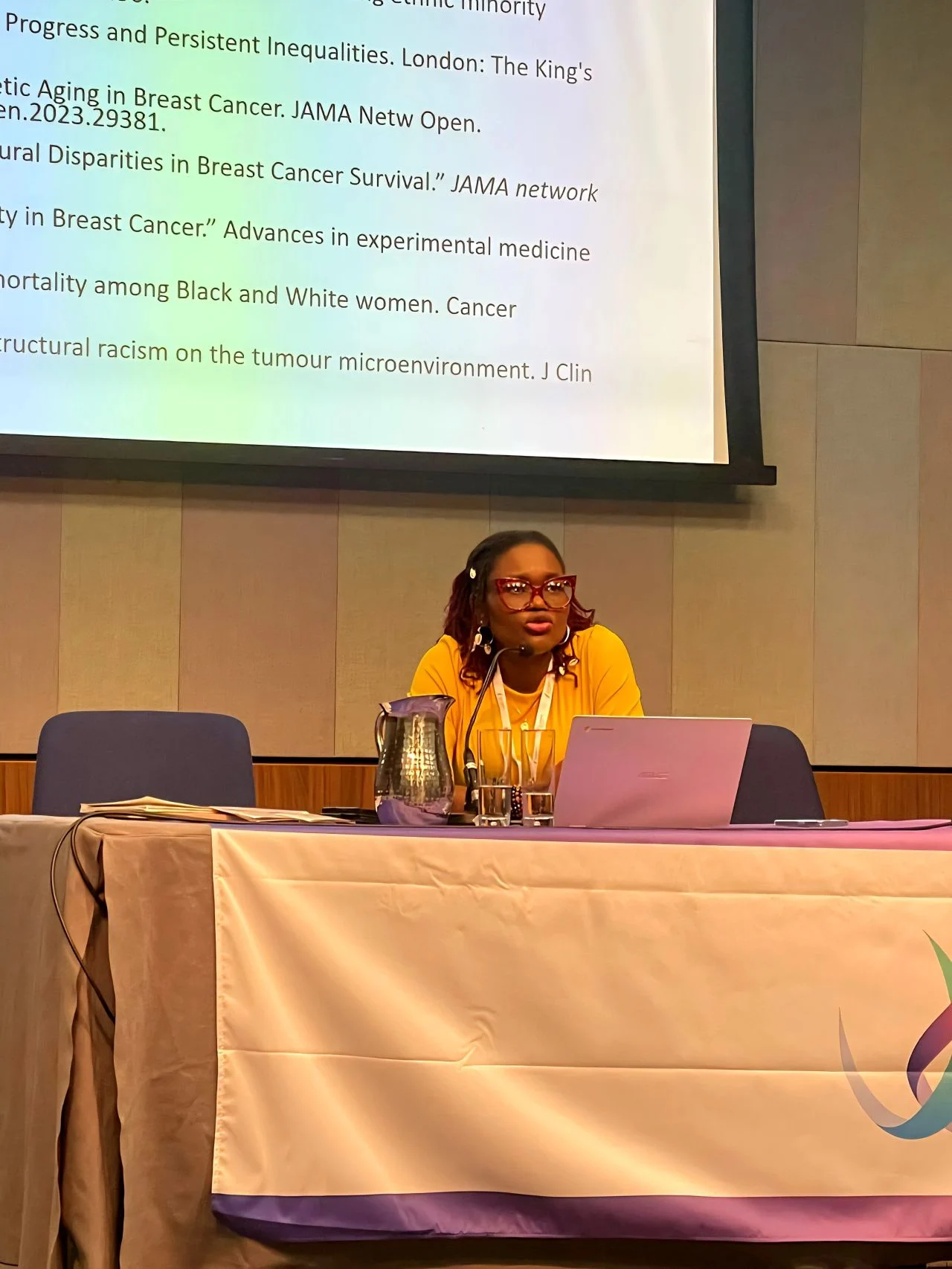
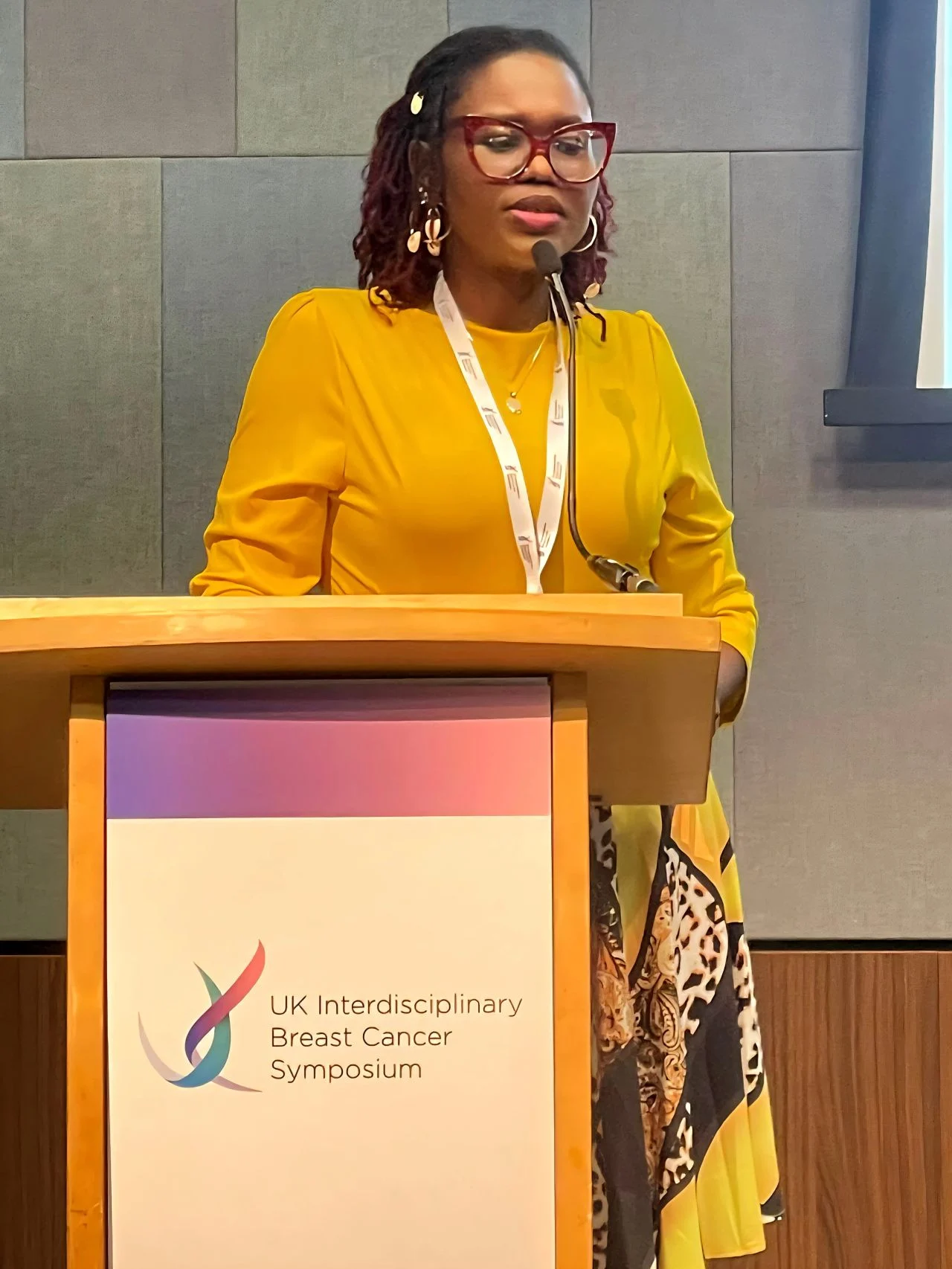
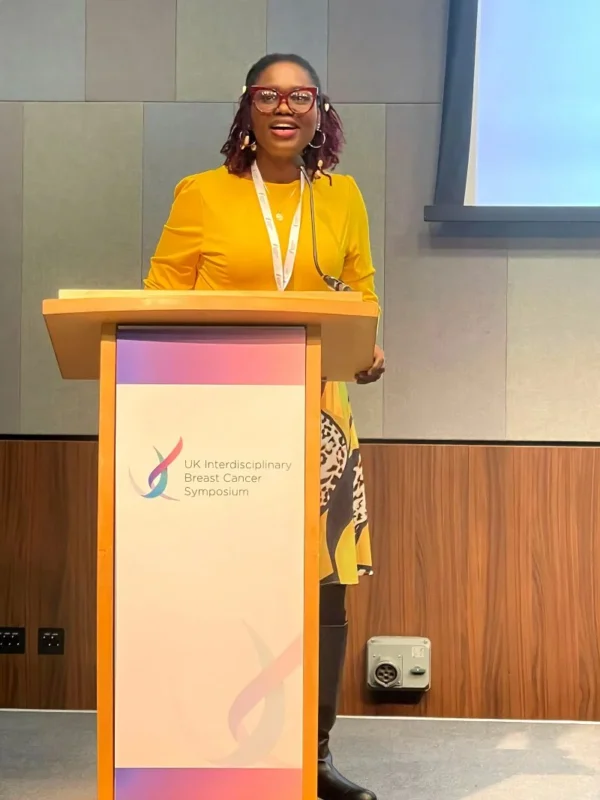
“It was such a pleasure to speak at the The UK Interdisciplinary Breast Cancer Symposium (UKIBCS) in Birmingham on “Breast Cancer Inequities:The Interplay of (Epi)genetics and Structural Racism“.
Breast cancer is not just a biological disease. It is also a social one.
Globally, breast cancer remains the most commonly diagnosed cancer in women, with over 2.3 million new cases each year and one death every minute. In the UK, 1 in 7 women will be diagnosed in their lifetime.
Yet outcomes are not equal.
Despite lower incidence rates, Black women have poorer survival than White women and are more likely to be diagnosed at later stages. These differences persist even within a universal healthcare system like the UK.
This tells us something important.
Race itself is not the risk factor. Racism is.
Race is a social construct. Ancestry reflects genetic variation. Over 90% of common genetic alleles are shared across populations. Biology alone cannot explain why Black and South Asian women experience later diagnosis, more aggressive disease, and worse outcomes.
Structural racism shapes where people live, the care they can access, how early disease is detected, and whether treatment follows guidelines. Redlining, residential segregation, under-resourced neighbourhoods, language barriers, and medical mistrust all matter.
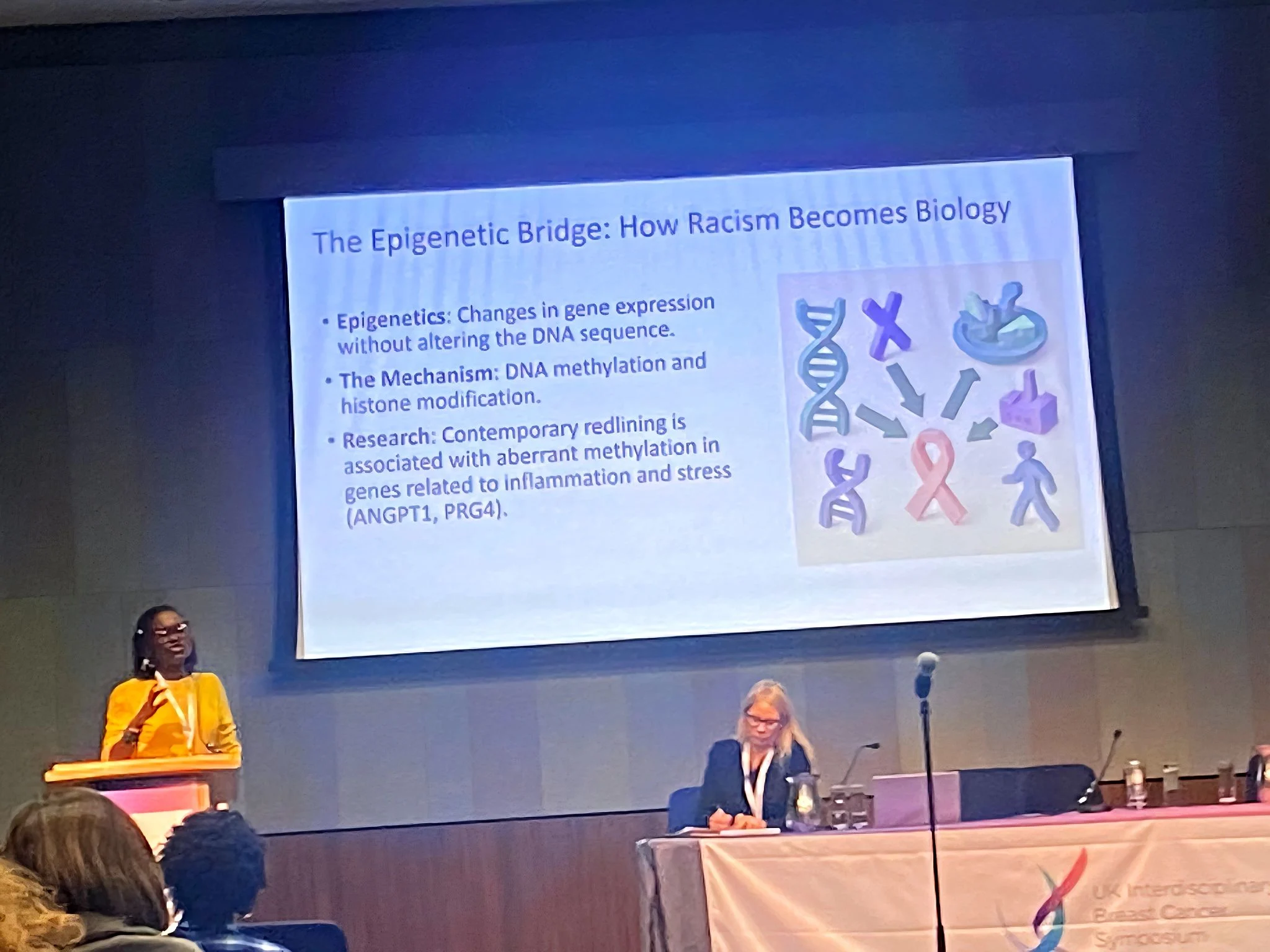
And increasingly, we know this stress gets under the skin.
Chronic exposure to social adversity leads to higher allostatic load, sustained inflammation, immune dysregulation and epigenetic changes that influence tumour behaviour. This is how racism becomes biology, without changing DNA sequence. The result is more aggressive phenotypes and poorer survival, independent of stage.
If we continue to frame risk as “race-based”, we miss the real drivers and reinforce the problem. The shift we need is clear: from race as a variable to racism as a mechanism.
So what needs to change?
We must decolonise our data, mandate robust ethnicity and social determinants collection, and embed these factors into clinical trials and genomic research. Screening must be earlier, culturally tailored, and community-informed. Policy makers must address the postcode lottery of cancer care. And leadership diversity matters, because who asks the questions determines what gets studied.
Equity is not an optional add-on.
It is a clinical requirement.
Biology is not destiny.
But society can be.
I am grateful to the organisers and the chair of UKIBCS Andreas Makris for inviting me to share on this very important and timely topic. Feedback from the session has been fantastic and enlightening with potential collaborations emerging.”
More posts featuring Olubukola Ayodele.