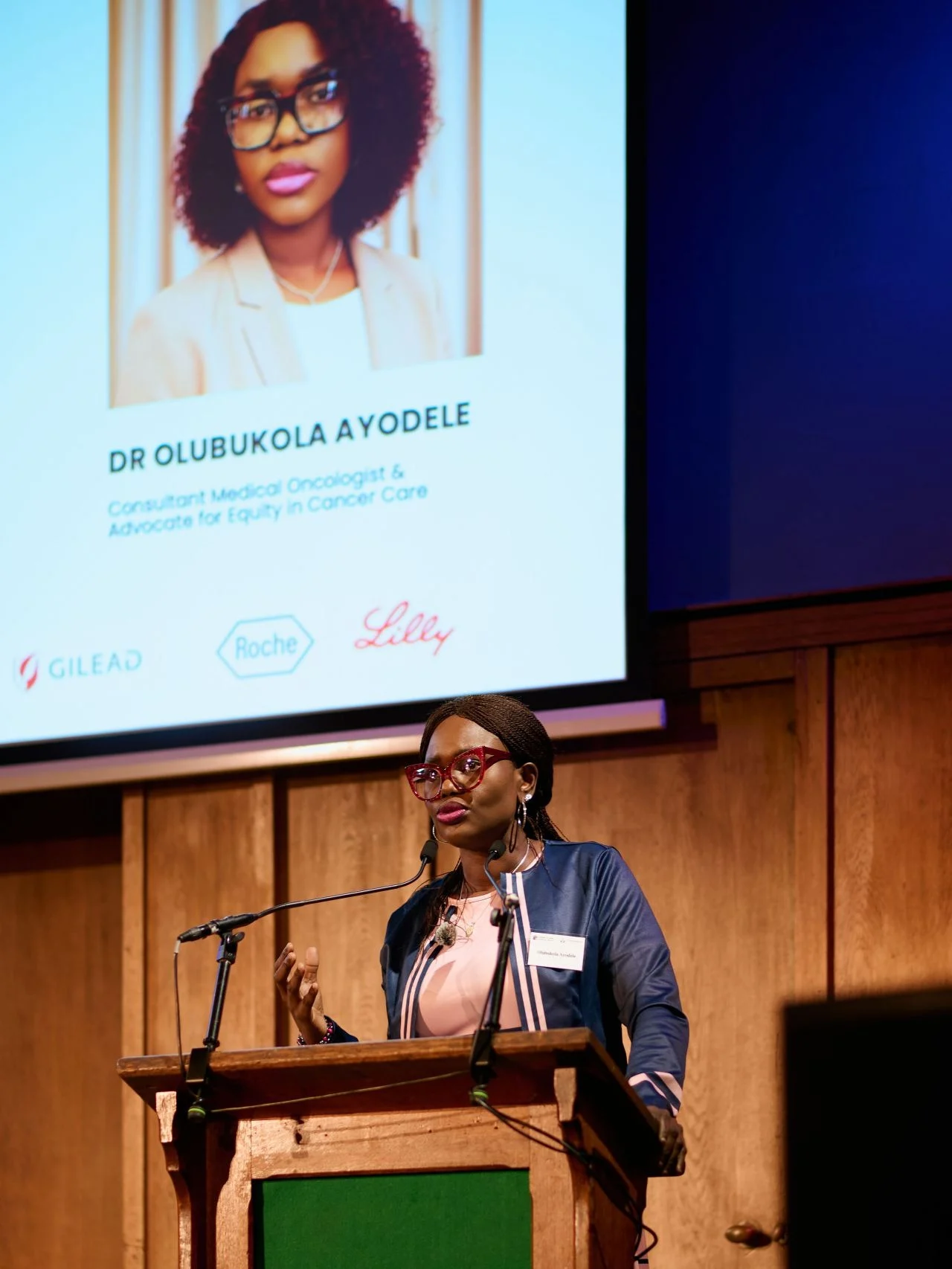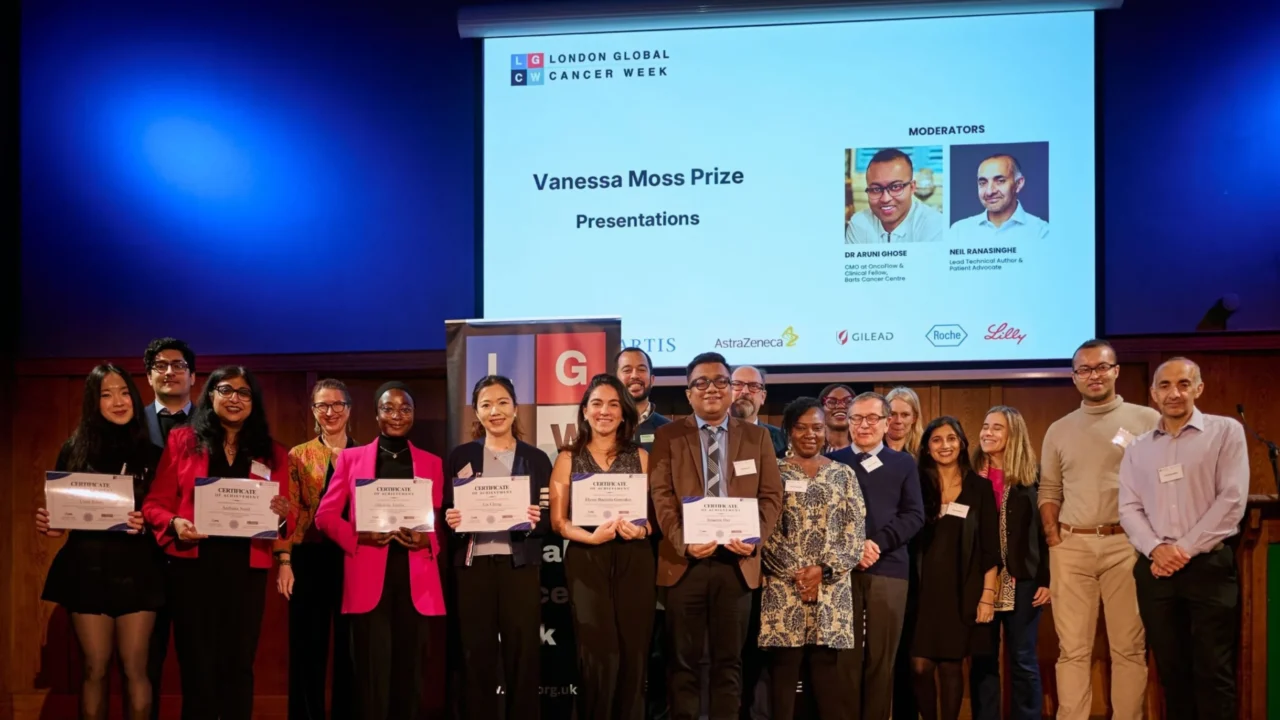
Olubukola Ayodele, Breast Cancer Lead at University Hospitals of Leicester NHS Trust, shared the following posts on LinkedIn:
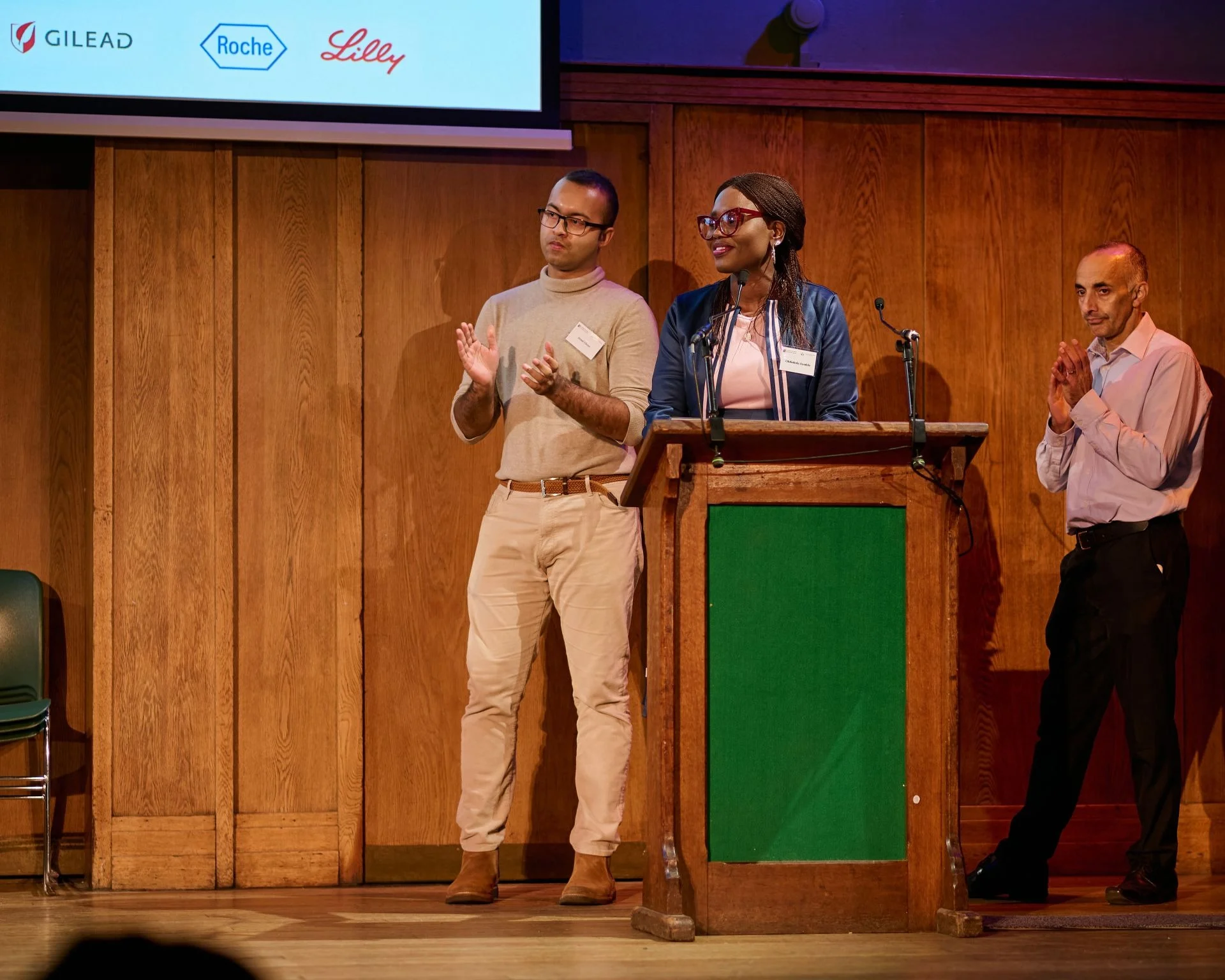
“Celebrating the top ten abstracts from the Vanessa Moss Prize at the just concluded ‘Cancer Health Disparities: Awareness To Action’ event on the 28th November 2025 at Conway Hall.
These projects go beyond describing inequity. They show what action looks like when research is rooted in community, context, and courage.
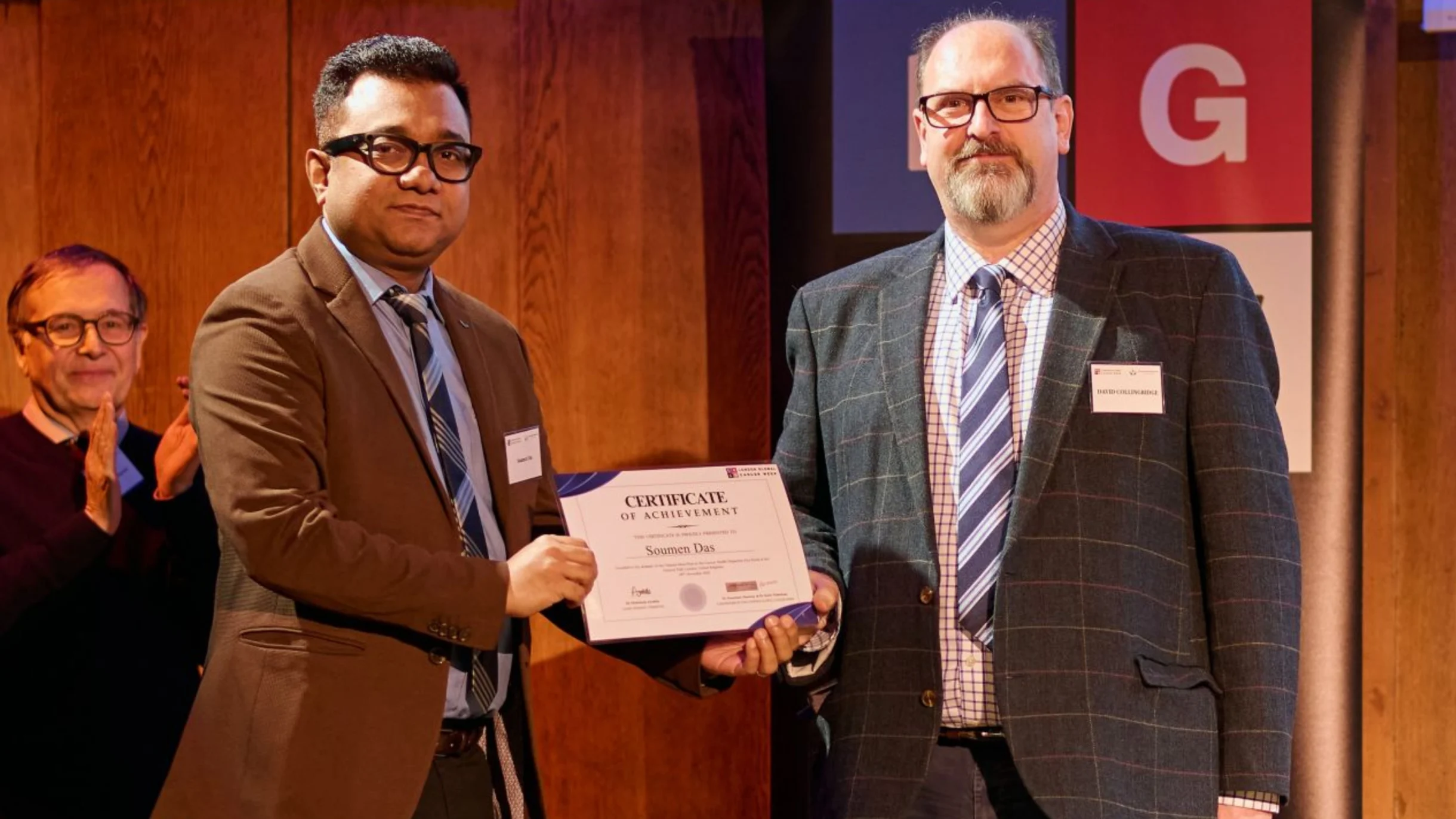
Winner: Dr Soumen Das Das (Institute of Breast Disease, Kolkata, India)
Community-Integrated Early Breast Cancer Detection in LMICs using BC-RADS.
Late-stage breast cancer diagnosis remains a major driver of mortality in LMICs, where access to mammography is limited. BC-RADS is a pragmatic, clinical breast examination–based scoring system that supports early detection and referral at the community level. By combining patient history with structured examination findings, BC-RADS demonstrated high sensitivity (93.2%) and specificity (88.7%). This work offers a scalable, low-cost solution aligned with WHO early-diagnosis targets and has the potential to transform breast cancer pathways in resource-constrained settings.
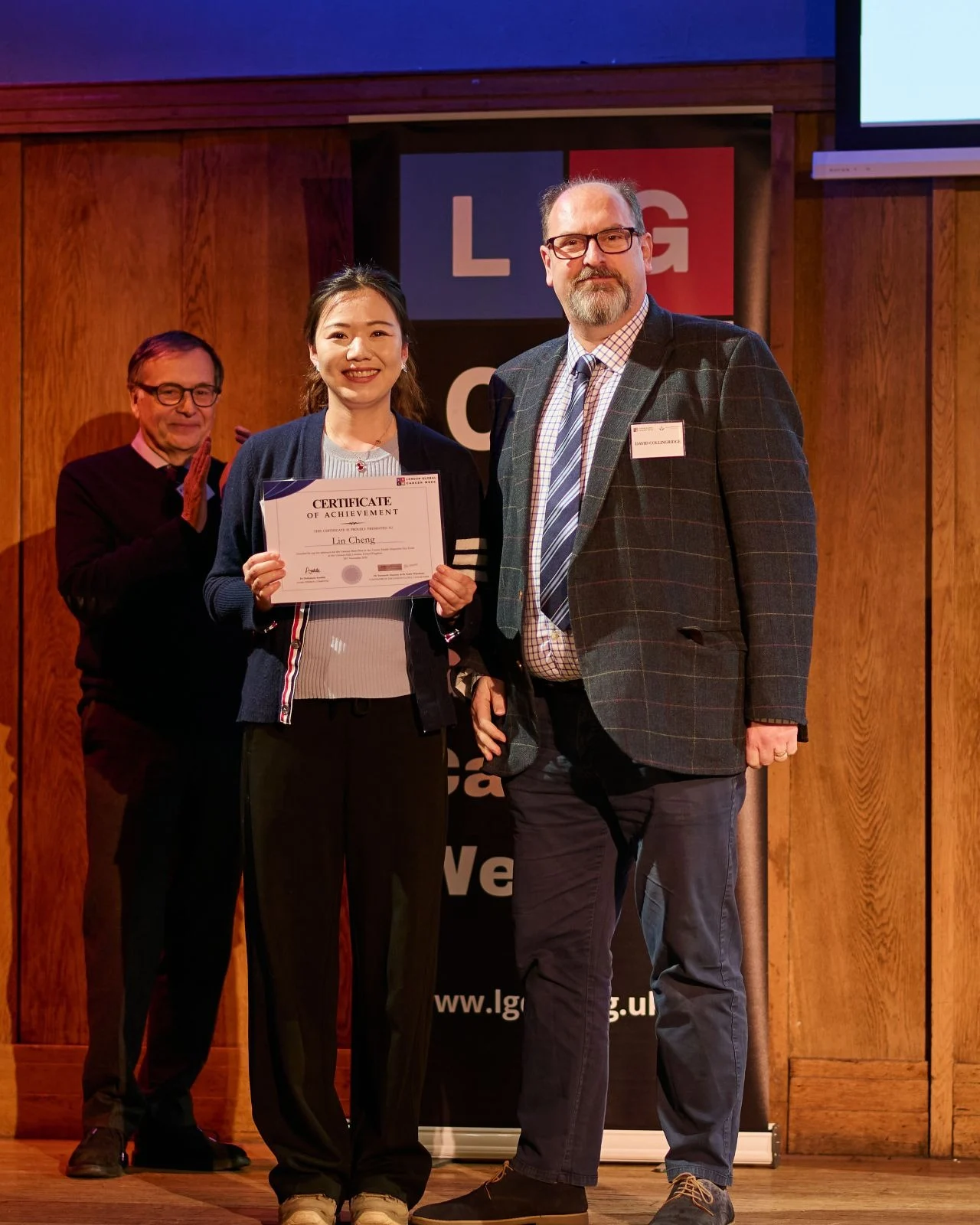
Lin Cheng (University of Glasgow)
Supportive cancer care disparities among ethnic Chinese immigrants in Scotland
This mixed-methods study highlights how cancer and migration intersect to intensify vulnerability. Language barriers, cultural beliefs, and difficulties navigating services contribute to unmet informational and psychosocial needs, despite national equity strategies. The findings underline the importance of culturally sensitive supportive care, better caregiver support, and meaningful inclusion of underrepresented communities in research and service design.
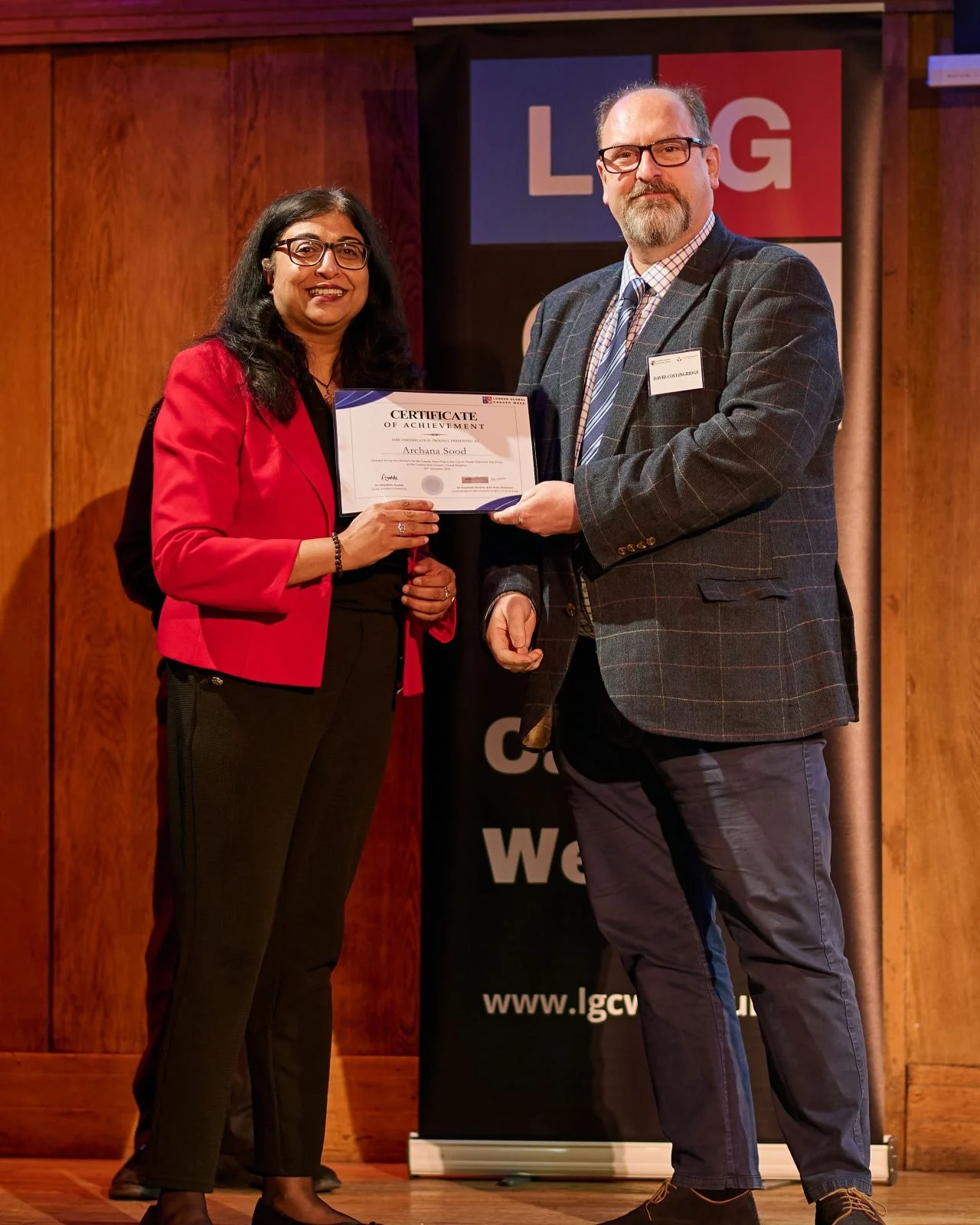
Archana Sood (Kingston and Richmond NHS Foundation Trust)
Building bridges: amplifying underrepresented voices to shape cancer care
Aligned with Core20PLUS5, this project took cancer awareness and listening directly into local communities. Using interpreters, accessible language, and representative imagery, it created safe spaces for dialogue about screening and early diagnosis. Crucially, the insights gathered are now actively shaping cancer services and communication at Kingston Hospital, demonstrating how listening can lead to structural change.
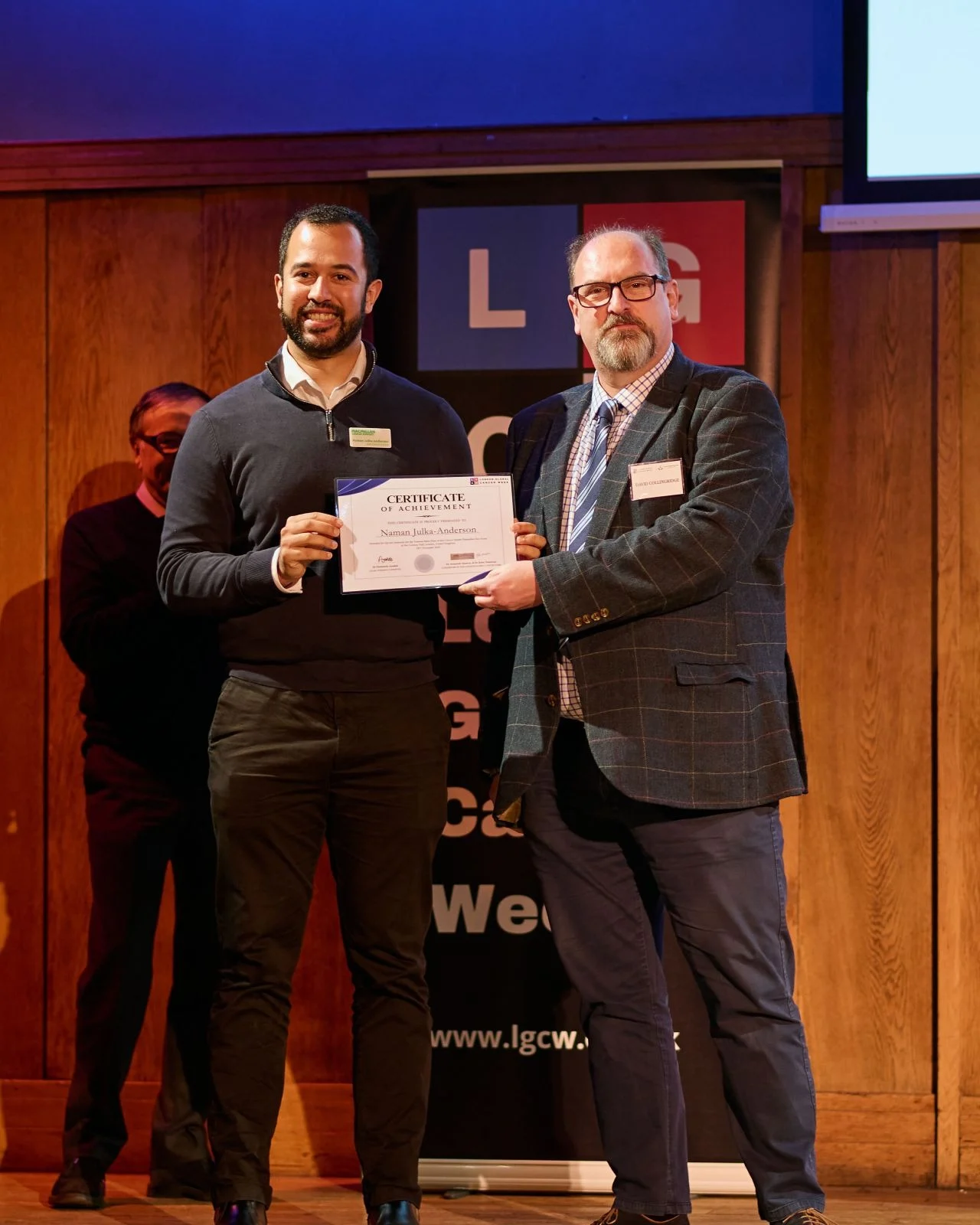
Naman Julka-Anderson (Rad Chat)
Transforming skin care in radiotherapy through inclusive education
Radiotherapy skin reactions present differently across skin tones, yet medical education remains centred on white skin. Rad Chat’s free, clinician-led image library documents oncology-related skin changes in people of colour, supporting better recognition, management, and patient advice. This work directly addresses an educational gap with real consequences for patient care.
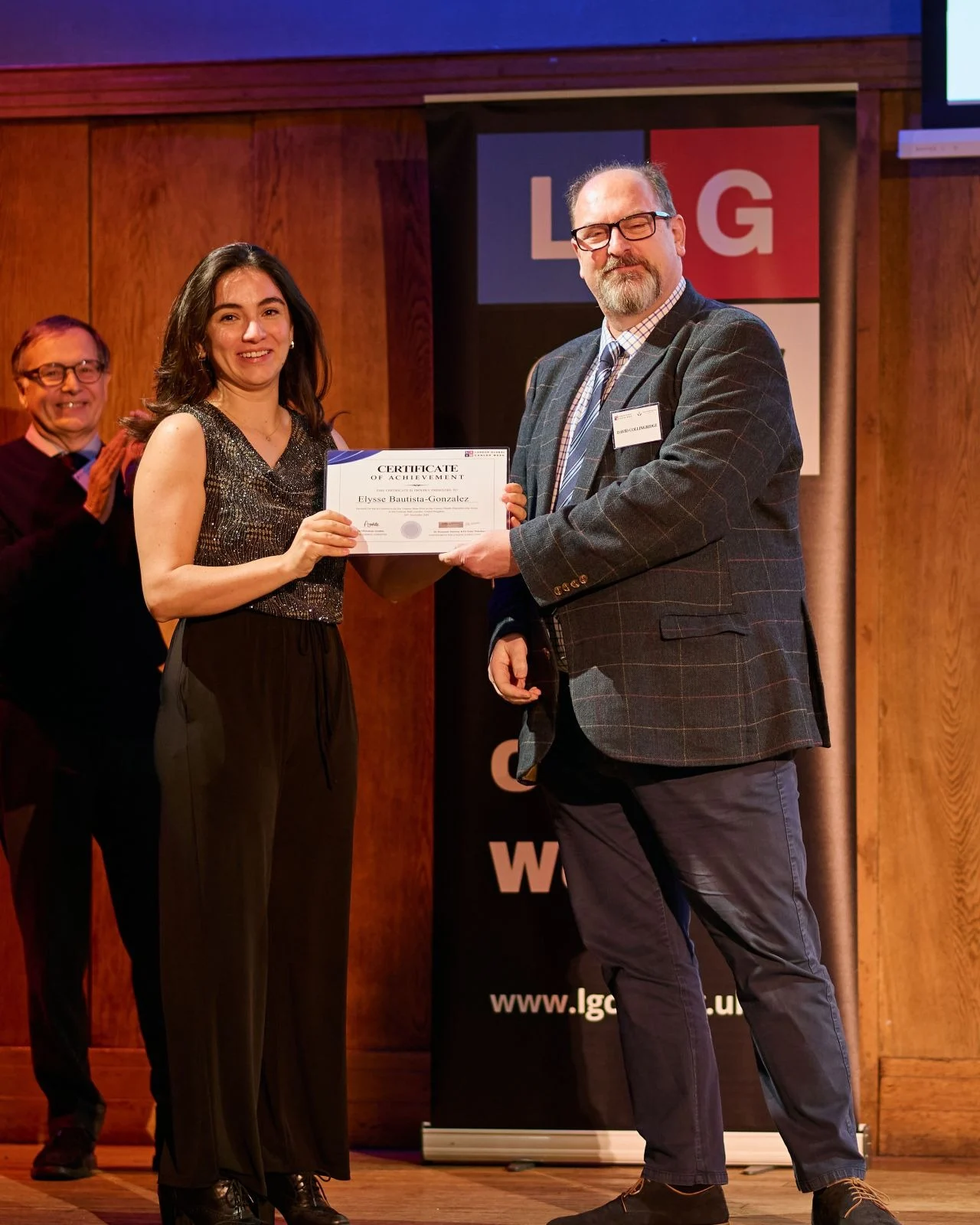
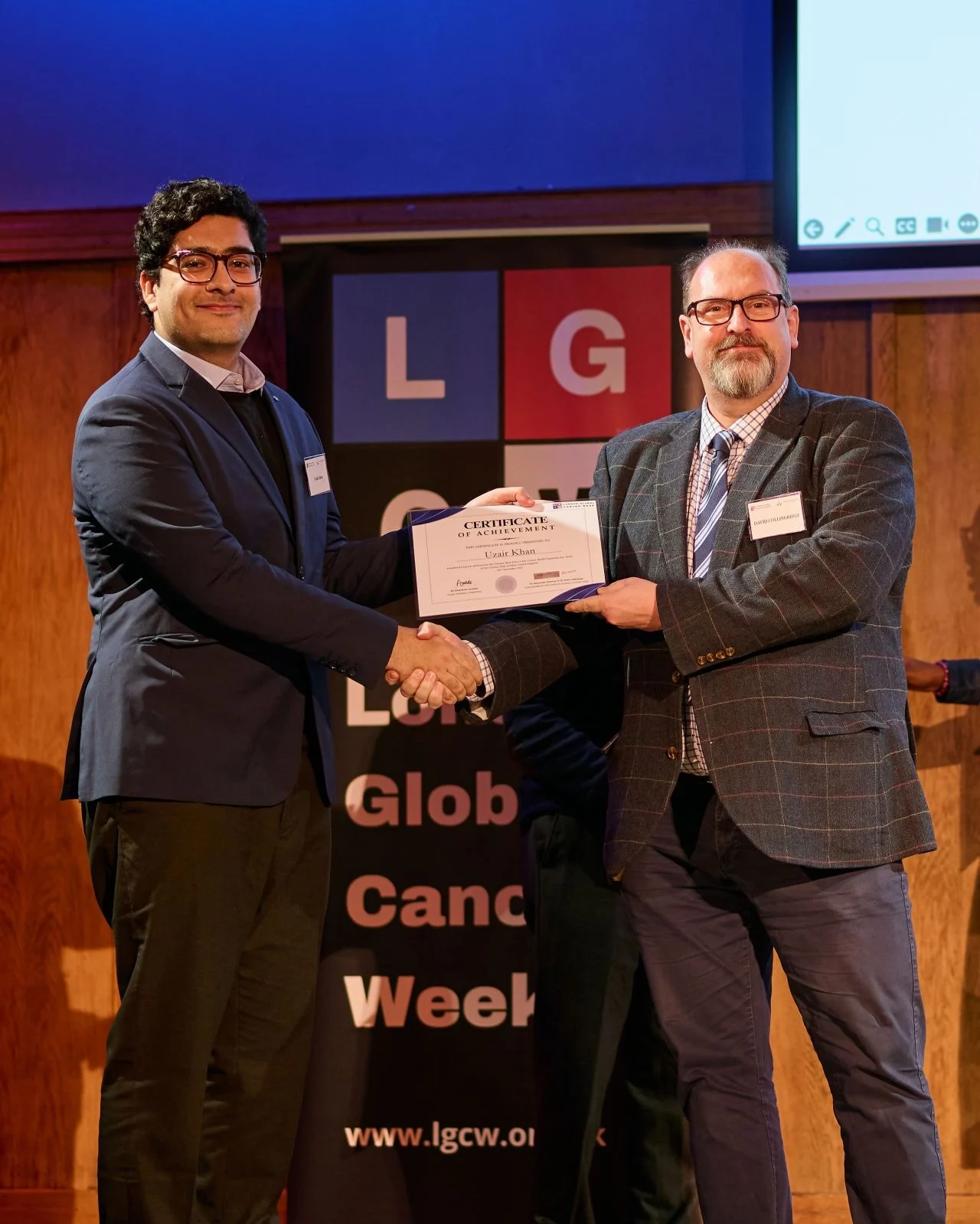
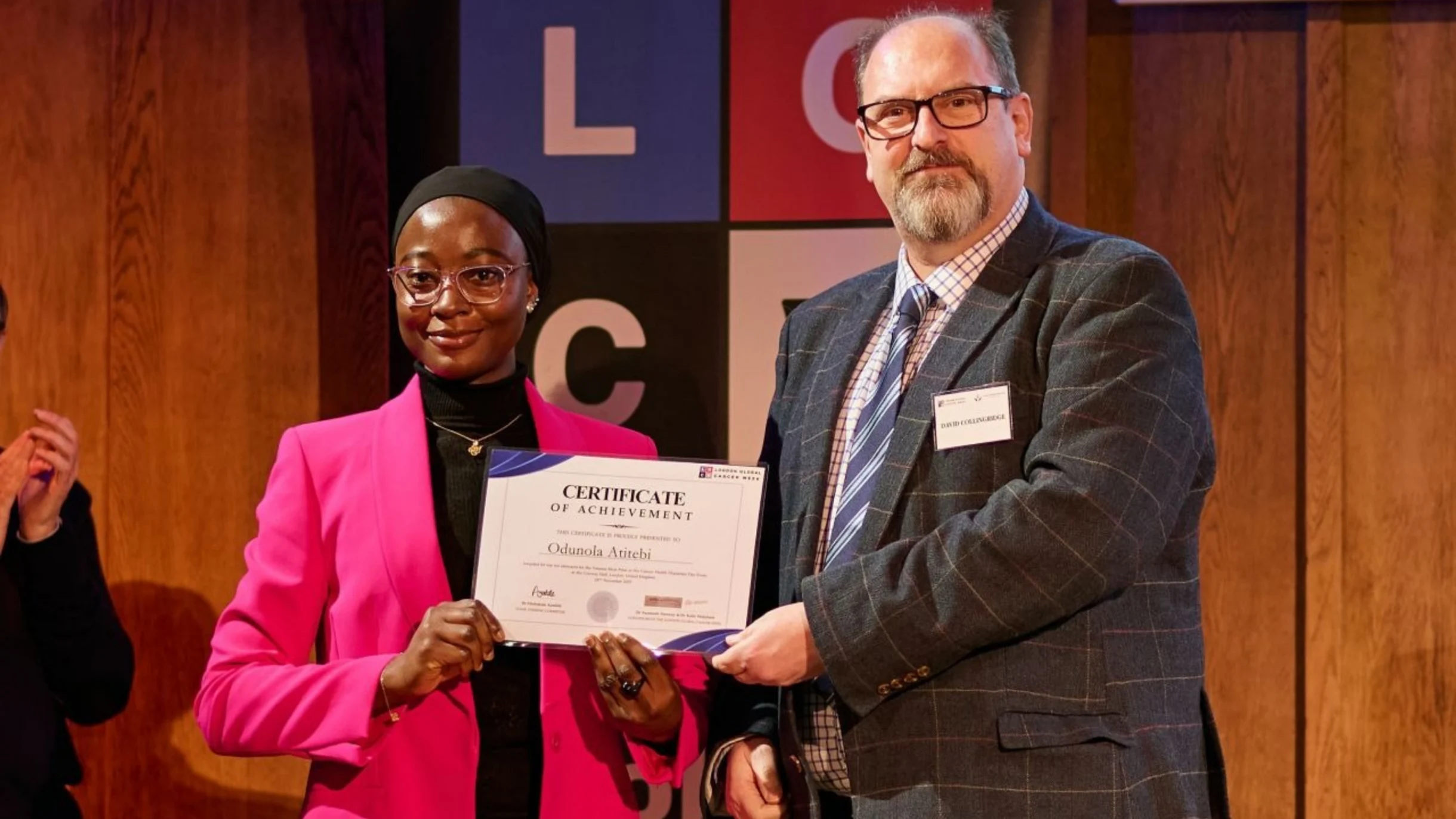
Thank you to David Collingridge for presenting the awards to the well-deserved recipients. All top-ten abstracts will be published by ecancer.
Please contact the recipients to learn more about their research.”
“Funmilola Wuraola (OAUTHC Nigeria / UHN Toronto)
The ActioN Study: addressing inequities in breast cancer genetic testing in Nigeria
Nigeria faces early-onset disease, late-stage presentation, and a high prevalence of triple-negative breast cancer. This multicentre pilot showed that BRCA1/2 testing and counselling are feasible, acceptable, and clinically actionable in Nigeria when delivered with culturally tailored education. The study provides critical evidence to support the integration of hereditary cancer services in resource-limited settings and informs future policy across sub-Saharan Africa.
Odunola Atitebi (Can-Survive UK)
Living Beyond Cancer: a community-led survivorship intervention
African Caribbean cancer survivors often face unmet nutritional and psychosocial needs after treatment. The Cook and Thrive project combined culturally familiar cooking sessions with nutrition education over six months. Participants reported improved knowledge, confidence, wellbeing, and reduced isolation. The co-produced cookbook ensures sustainability, showing how culturally resonant, community-embedded interventions can meaningfully support life beyond cancer.
Uzair Khan (University of Cambridge / ESNEFT)
AI-assisted biparametric MRI as an alternative to mpMRI
Multiparametric MRI is the current standard for prostate cancer diagnosis but remains costly and resource-intensive. This systematic review and modelling study demonstrates that biparametric MRI, with or without AI, can deliver comparable diagnostic performance while reducing costs and increasing scanner capacity. The implications for LMICs are significant, with the potential to expand access, reduce waiting times, and address diagnostic inequities at scale.
Elysse Bautista-González (FUNSALUD, Mexico)
Disparities in cancer resource distribution in Mexico
By mapping oncology infrastructure across five major cancers, this study revealed major gaps in diagnostic and treatment capacity relative to population density. Clear policy recommendations emerged, including decentralisation, equitable allocation by cancer type, and improved national data systems. This work provides a vital evidence base for system-level reform.”
“Ahmed Newera (Prince Sultan Military Hospital, Taif)
Wellness Watch: advancing quality of life through colorectal cancer screening
Colorectal cancer screening rates in Saudi Arabia remain low despite rising incidence. Using personalised WhatsApp reminders, guaranteed rapid colonoscopy access, and cross-departmental coordination, this intervention significantly increased screening uptake and improved follow-up. It offers a scalable, patient-centred model for other screening programmes.
Delfin Lovelina Francis (Saveetha University, India)
Eight-year tobacco cessation and cancer awareness among Malayali tribes
Sustained, brief counselling with regular reinforcement led to a substantial reduction in tobacco use over eight years. This long-term follow-up demonstrates that culturally appropriate, consistent public health engagement can drive durable behavioural change in Indigenous communities with limited access to healthcare.
Together, these ten abstracts reflect what happens when cancer equity moves from intention to implementation.
Spotlighting this kind of research matters. Too often, work focused on marginalised communities, low-resource settings, or culturally tailored care is underfunded, underpublished, and undervalued, despite having the greatest potential to shift outcomes at the population level. Research that centres equity helps direct funding, inform policy, and legitimise community-led solutions that are too often dismissed as ‘soft’ or niche’.
These abstracts remind us that cancer equity is not an abstract concept. It is built through practical tools, community trust, and systems that work for everyone.
Thank you to our friends at ecancer for their support!”
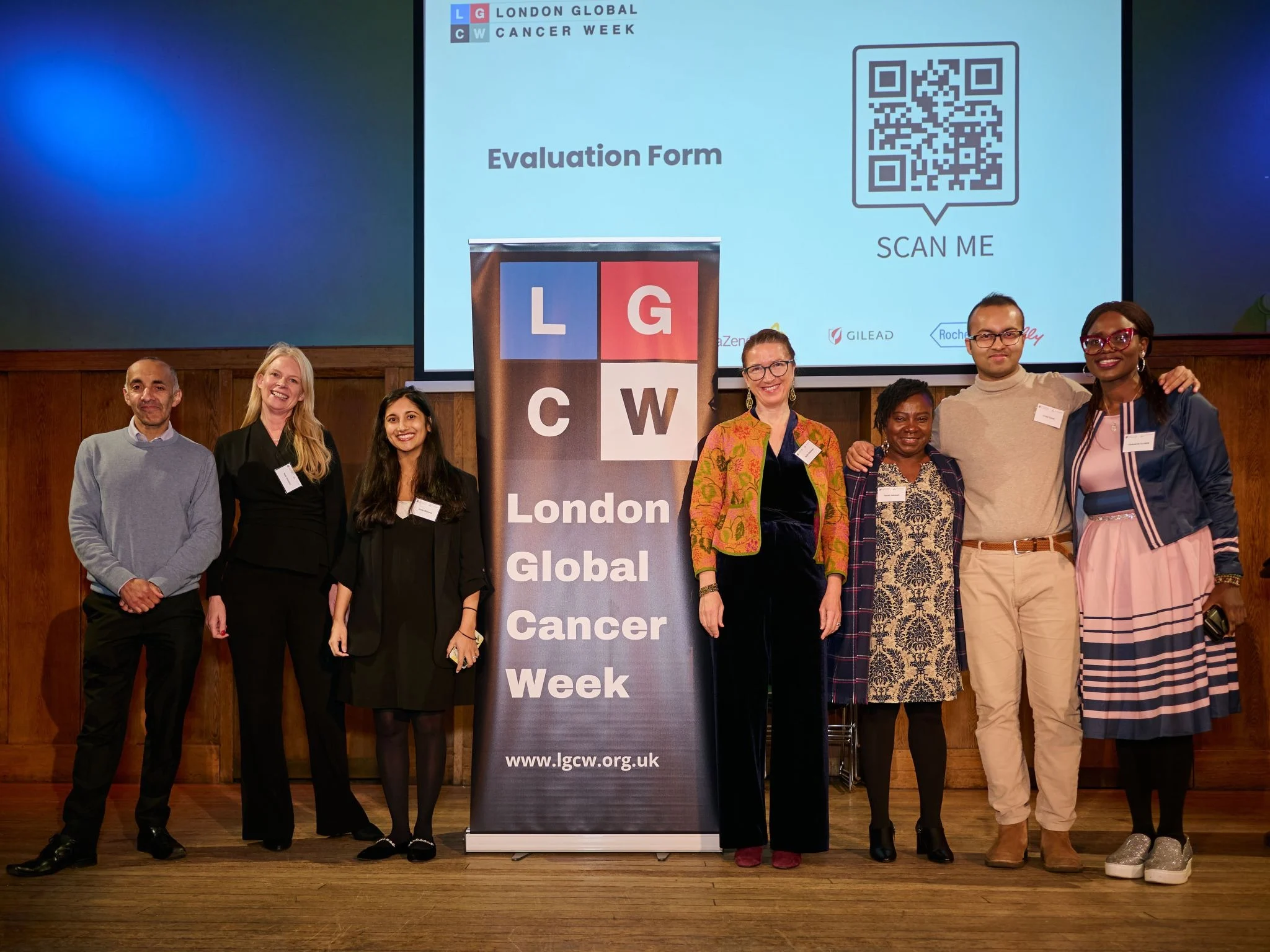
More posts featuring Olubukola Ayodele.