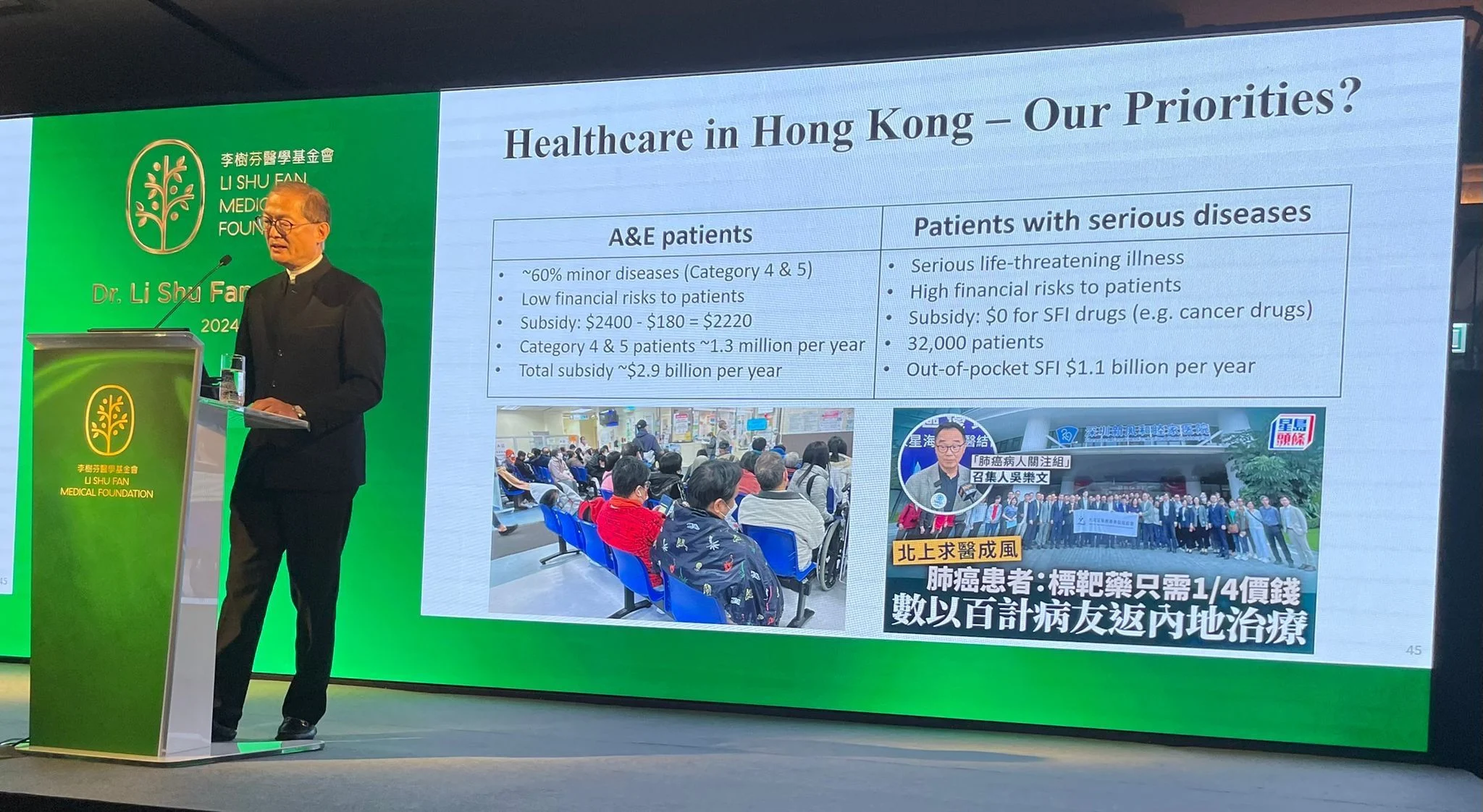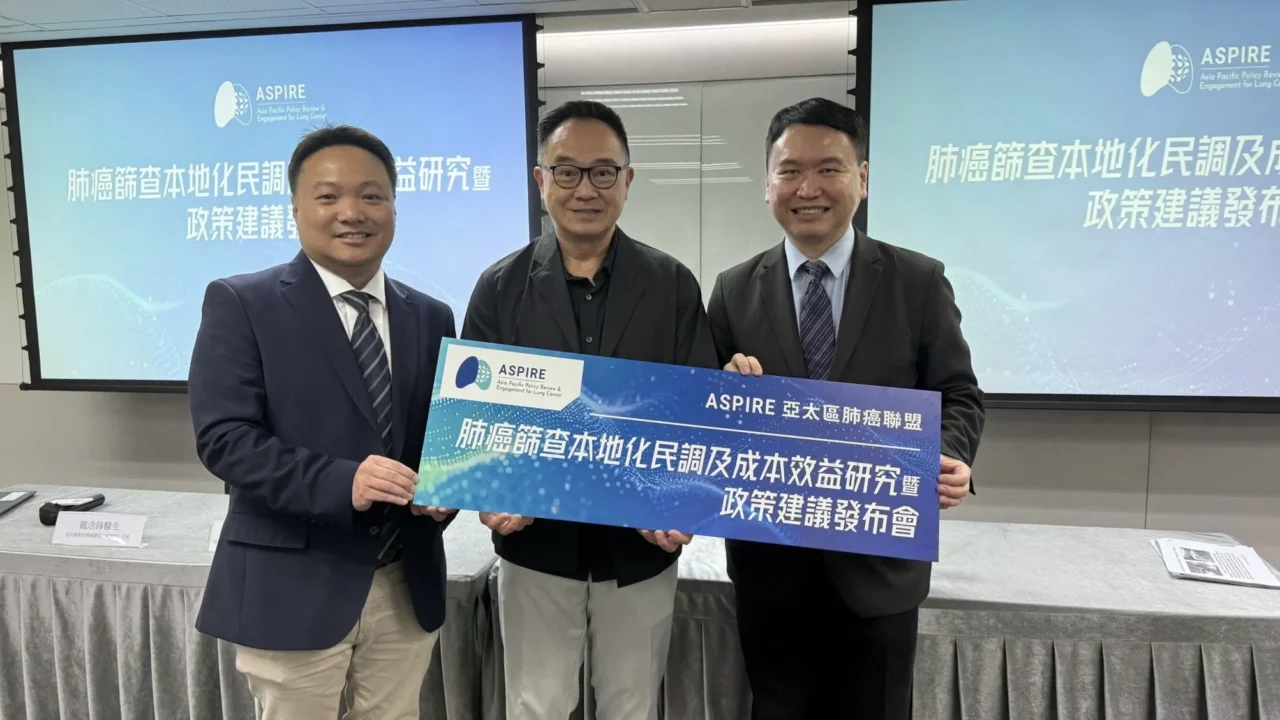
Norman Ng, Director of Patient Advocacy and Public Affairs at Healthcare Thinkers, shared a post on LinkedIn:
“1. Lung Cancer Early Detection: AI-Assisted LDCT Screening Launch
Professor Lo confirmed Hong Kong’s upcoming rollout of a risk-based lung cancer LDCT (low-dose computed tomography) screening study, integrated with AI technology to enhance accuracy. This addresses the rising incidence of lung adenocarcinoma (a common lung cancer subtype) in Hong Kong, prioritizing early intervention—critical for improving patient survival rates. For high-risk groups (e.g., long-term smokers, individuals with family history), the screening will enable timely diagnosis, reducing late-stage disease burden and improving treatment outcomes.
2. Improved Access to Innovative Lung Cancer Treatments
- Streamlined Drug Approval: The ‘1+ Mechanism’ allows Hong Kong to fast-track approvals of new medicines by referencing 36 recognized international regulators (e.g., FDA, EMA). To date, 15 innovative drugs have been approved via this pathway, including targeted therapies and immunotherapies for lung cancer—shortening the time between global launch and patient access in Hong Kong.
- Expanded GBA Collaboration: 45 Mainland hospitals in the Greater Bay Area now use Hong Kong-registered drugs and medical devices. This creates cross-border access opportunities for lung cancer patients, enabling them to access approved innovative treatments in GBA facilities while maintaining Hong Kong’s quality standards.
- Financial Support for High-Cost Therapies: Healthcare reforms (effective Jan 2026) will expand subsidies via the Samaritan Fund, specifically covering innovative and high-cost therapies—directly benefiting lung cancer patients requiring expensive targeted drugs or immunotherapies. The reform also caps medical costs to prevent financial hardship, ensuring equitable access to life-saving treatments.
3. Regulatory and Systemic Support for Patient-Centric Innovation
The 2026 launch of the Centre for Medical Products Regulation (CMPR) will act as both regulator and innovation facilitator, accelerating the approval of lung cancer-related diagnostics (e.g., AI-driven screening tools) and treatments. Hong Kong’s push for full ICH (International Council for Harmonisation) membership by 2027 will align local regulatory standards with global norms, making it easier for international lung cancer clinical trials to be conducted locally—giving patients access to cutting-edge therapies before widespread approval.”
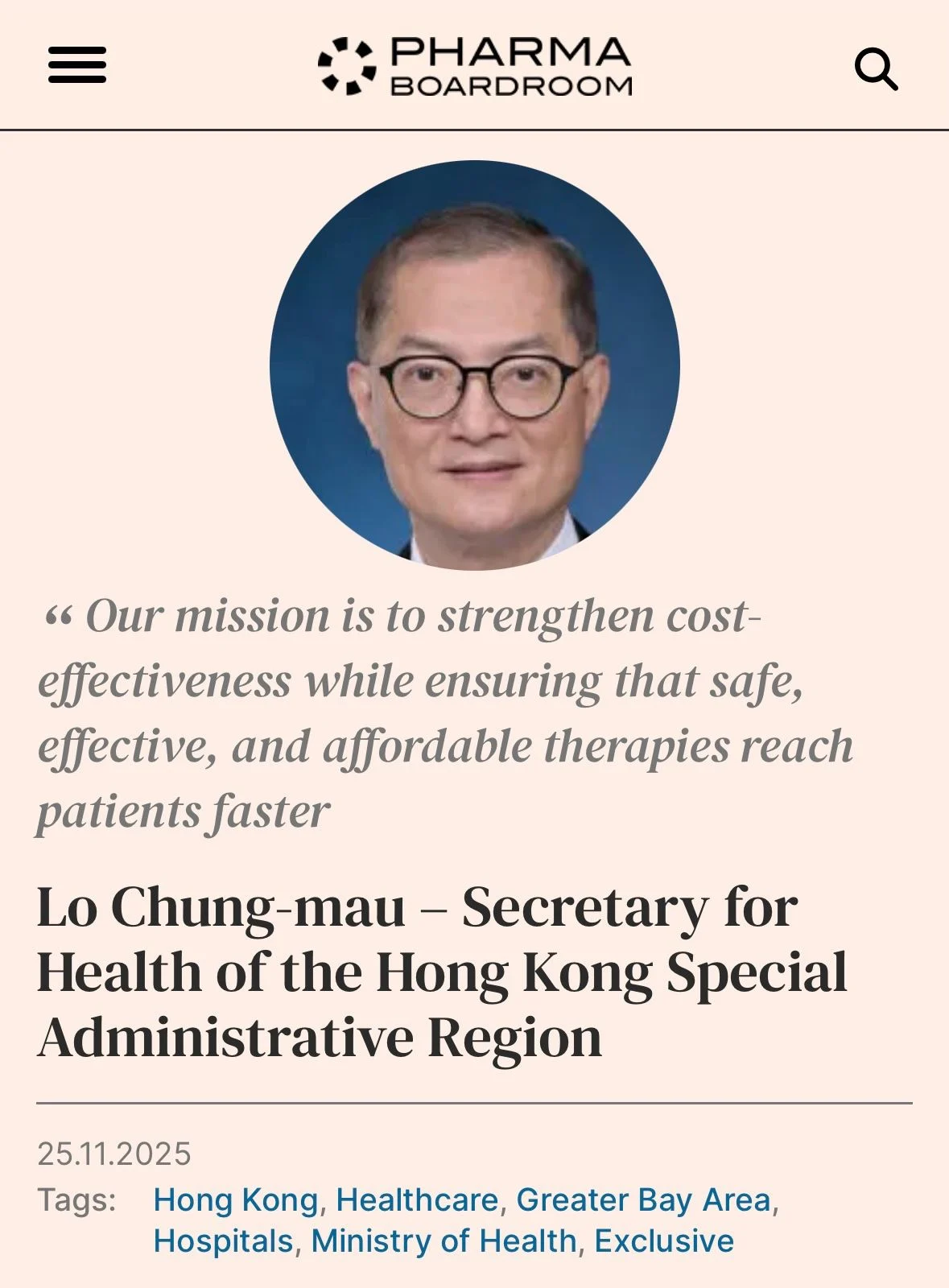
More posts featuring Norman Ng.