





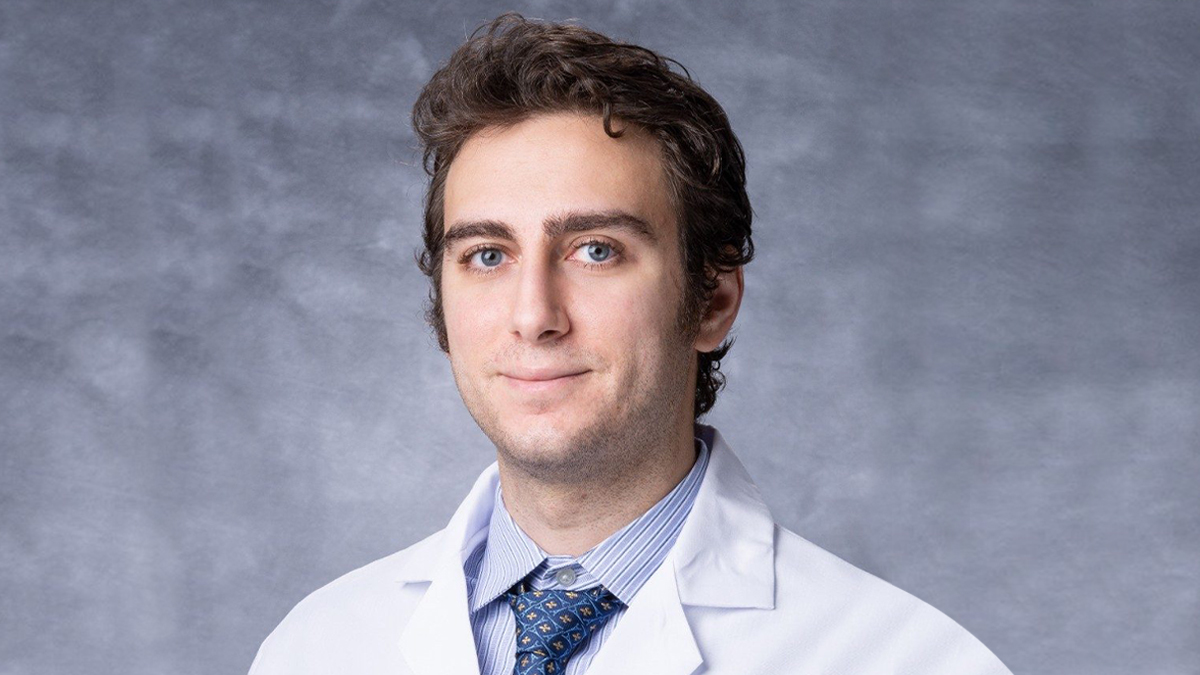
Nicholas Hornstein, Assistant Professor at Northwell Health, shared a post on LinkedIn:
“GRAIL has had a strange life as a company.
Not because the idea is bad. Quite the opposite. They are trying to build something that could actually help people: a blood test that detects cancer before symptoms appear.
That is a very hard problem.
GRAIL was spun out of Illumina in 2016 with an initial approach focused on ultra-deep sequencing of circulating tumor DNA mutations. That quickly ran into a biological constraint. Early cancers often shed vanishingly small amounts of mutated DNA into the bloodstream.
So the company pivoted.
Instead of focusing on mutations, they moved toward genome-wide methylation patterns. Methylation carries a much larger signal and can also help infer tissue of origin. That pivot eventually became the basis for Galleri.
Whether multi-cancer early detection testing will ultimately work remains an open question. But at least they are trying to solve a real problem.
Which brings us to the NHS-Galleri Trial.
The study enrolled roughly 140,000 participants in the UK to test whether Galleri could shift cancer diagnoses earlier. The key idea was straightforward: detect cancers before they present clinically and reduce late-stage disease.
And this is where trial design matters. A lot.
The primary endpoint combined stage III and stage IV cancers into a single ‘late stage’ category. The trial ultimately did not meet that endpoint.
But the results also suggest something more nuanced. There appears to be a reduction in stage IV cancers.
Those two things can coexist.
If a screening test moves cancers that would have presented as stage IV into stage III instead, that is arguably progress. Stage III disease is often curable. Stage IV usually is not. But if the endpoint lumps stage III and stage IV together, that improvement can disappear statistically.
Same biology. Different interpretation.
All because of how the endpoint was defined.
(Separately, the CEO of GRAIL just ‘retired’ three weeks after the results. That now makes six CEOs in ten years.)
The bigger lesson here is not really about GRAIL.
Cancer screening is brutally difficult. Biology, statistics, lead-time bias, overdiagnosis… every piece of it fights you.
And sometimes the difference between a breakthrough and a failure is not the test.
It is the trial you chose to run.”
Other articles featuring Nicholas Hornstein on OncoDaily.