





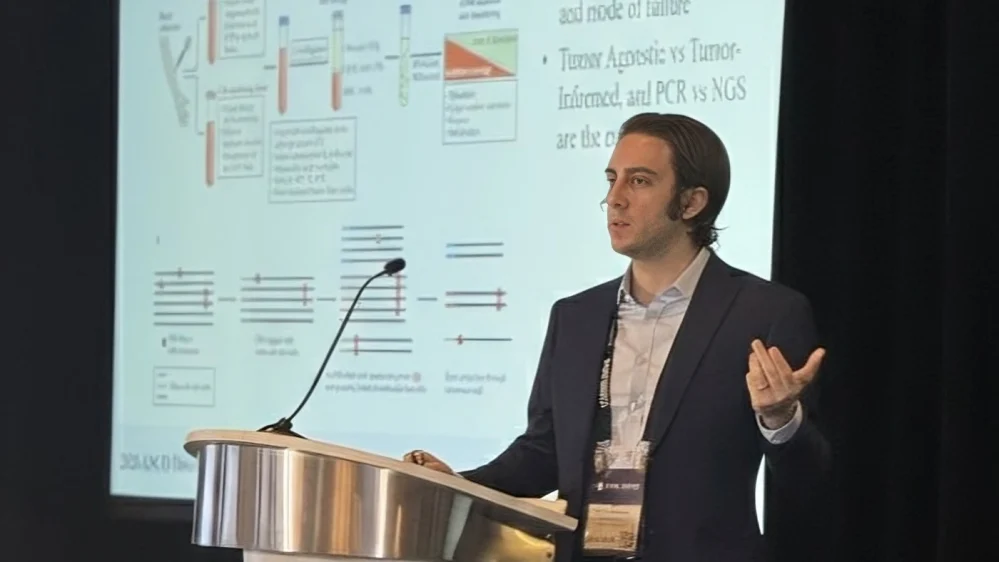
Nicholas Hornstein, Assistant Professor at Northwell Health, shared a post on LinkedIn:
“Confession: before I was a GI oncologist, I was a computer nerd. PhD in computational biology. I still get a strange amount of joy from a clean terminal window.
I’ve been using large language models since they first became publicly available. Early versions were… rough. Hallucinations everywhere. Impressive demos, but not something you’d trust with real work.
Over time they became genuinely useful. Great for drafting. Helpful for coding. Tools like OpenEvidence started to feel practical in day-to-day life. A clear productivity boost, but still incremental.
This past week felt different.
Using command-line versions of these models, paired with agents that can iterate, debug, and revise their own output, I watched a project I had spent months building get recreated in days. And not just recreated. Improved.
You don’t need to understand command lines or model architecture to appreciate what’s happening. These systems are getting very good at reading complex material, writing code, organizing messy information, and iterating. If you do research, run trials, analyze data, write grants, build databases, or even just synthesize literature, this will touch your work.
They won’t replace clinical judgment. They won’t replace experience. But they are absolutely going to change how we build things.
And here’s the part that matters: we’re all still learning. This space is moving fast and no one has it fully figured out. I certainly don’t. But I’ve been experimenting long enough to see the trajectory.
If you’re curious about how these tools might fit into oncology research or clinical workflows, reach out. I’m happy to share what I’ve learned, compare notes, or just think out loud together.
The technology will keep improving whether we engage with it or not. I’d rather figure it out alongside people who care about patients and science.”
Other OncoDaily articles featuring Nicholas Hornstein.