





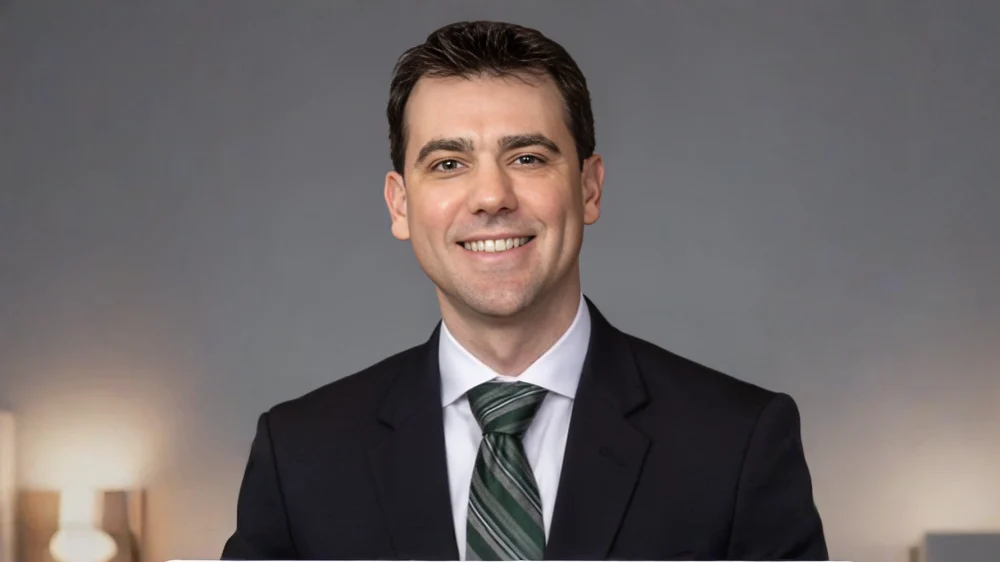
Nicholas DeVito, Assistant Professor of Medicine at the Division of Medical Oncology at Duke University, shared a post on LinkedIn:
“Today, I am presenting Preliminary Results of First-line Botensilimab and Balstilimab OPtimization in Microsatellite Stable Colorectal Cancer without liver, bone, or brain metastasis (BBOpCo NCT06268015) at the American Association for Cancer Research annual meeting.
Not able to make it to our poster (CT184) today?
Here are some highlights of our preliminary data and a video poster walkthrough (thanks to Vumedi and Duke Cancer Institute for quick upload):
- We enrolled 15 patients in 14 months (!) and our median age was 50, reflecting the rising incidence of CRC in younger patients, and the desire for more durable, tolerable treatment options.
- With a median follow up of 5.4 months, we observed a 75% disease control rate (DCR) and already have 2 confirmed iPRs to BOT+BAL alone, one in a patient with lung mets and another with peritoneal metastasis, with tissue TMB of 1 and 3 mut/mb respectively.
- Median freedom from crossover to chemo was 8.7 months, meaning BOT+BAL delayed chemo, and our DCR after crossover in 4 evaluable patients was 75%, indicating that our immunotherapy first followed by chemo rescue strategy is feasible.
While this data is still maturing, BBOpCo shows what is possible in a disease like MSS CRC that has no approved immunotherapies by applying an anatomically informed patient selection approach to expand treatment options.
Our rapid enrollment and results demonstrate that patients want, and that there is scientific rationale, for sequencing immunotherapy first without a ‘kitchen sink‘ approach of combining it with chemotherapy. To quote one of our patients ‘I wanted a chance to avoid chemo, even if that isn’t forever‘.
We will continue to work on identifying responders to improve patient selection through biomarker development, and unravel pathways of immune evasion in non responders to design rational combinations.
My infinite gratitude goes to our patients who endeavored on this journey with us, to the Gateway for Cancer Research who believed in our approach, and to the amazing team Duke Cancer Institute who pulled this trial off. I look forward to providing more updates over the next year.”
Other articles about Immunotherapy on OncoDaily.