





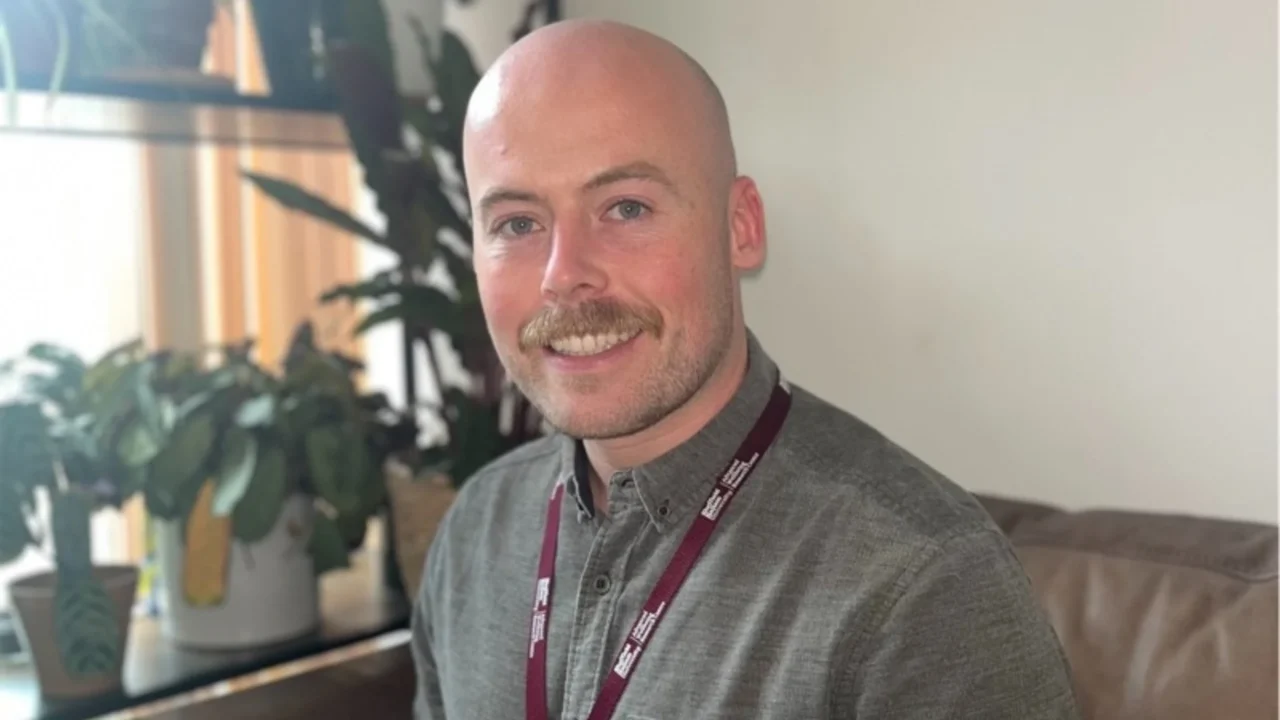
Niall Finnegan, PHD Candidate, Graduate Teaching Assistant at Sheffield Hallam University, shared a post on LinkedIn:
“Are we misinterpreting functional status in advanced lung cancer by relying on ECOG?
Performance Status often acts as a gatekeeper. When a patient has a low ECOG score, it is often assumed they are too unwell for treatment or to participate in physical activity or exercise.
People living with stage III & IV lung cancer commonly sit at the intersection of sarcopenia, cancer cachexia, and frailty. These are key determinants of treatment intolerance, functional decline, and survival.
The challenge is that traditional tools such as ECOG or BMI don’t always tell us the full story. They may tell us that a patient is vulnerable, but not why.
An opportunity lies in the potential use of standard-of-care CT imaging as an objective measure of skeletal muscle mass. CT-derived muscle analysis is quick, accessible, and a gold standard for identifying sarcopenia, often before frailty emerges.
It provides objective data that can support and evaluate targeted, holistic interventions, rather than exclusion from treatment.
After completing my PhD, I hope to continue my current research while also exploring novel imaging approaches that are quick, easy to access, and reduce stressors on patients. This will enable the use of objective data at multiple follow-up time points within standard-of-care pathways.
While there are many concerns about the current academic landscape, including whether I’ll have the opportunity to continue research post-PhD, there is also a lot to be optimistic about.
The current momentum toward collaborative research led by organisations such as the International Association for the Study of Lung Cancer and by people in the field such as Jordan Curry, PhD, is a really encouraging sign of where exercise sciences are heading.”
More posts on OncoDaily.