Olubukola Ayodele, Breast Cancer Lead at University Hospitals of Leicester NHS Trust, shared a post on LinkedIn:
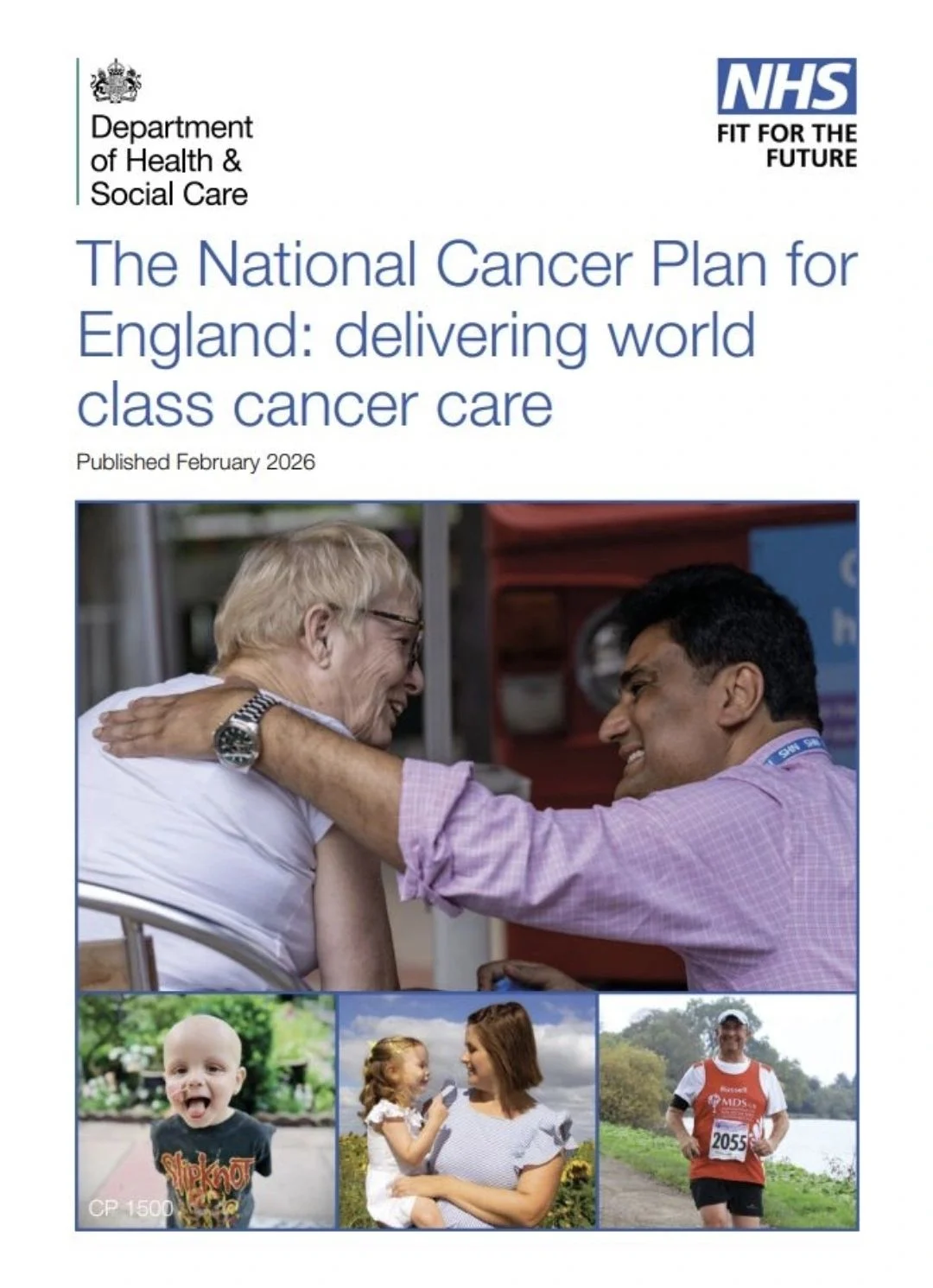
“Last week, the UK Government published its new National Cancer Plan for England.
It is ambitious, wide-ranging and signals intent to improve cancer outcomes over the next decade. But ambition alone will not deliver change unless we are honest about the conditions under which cancer care is currently delivered.
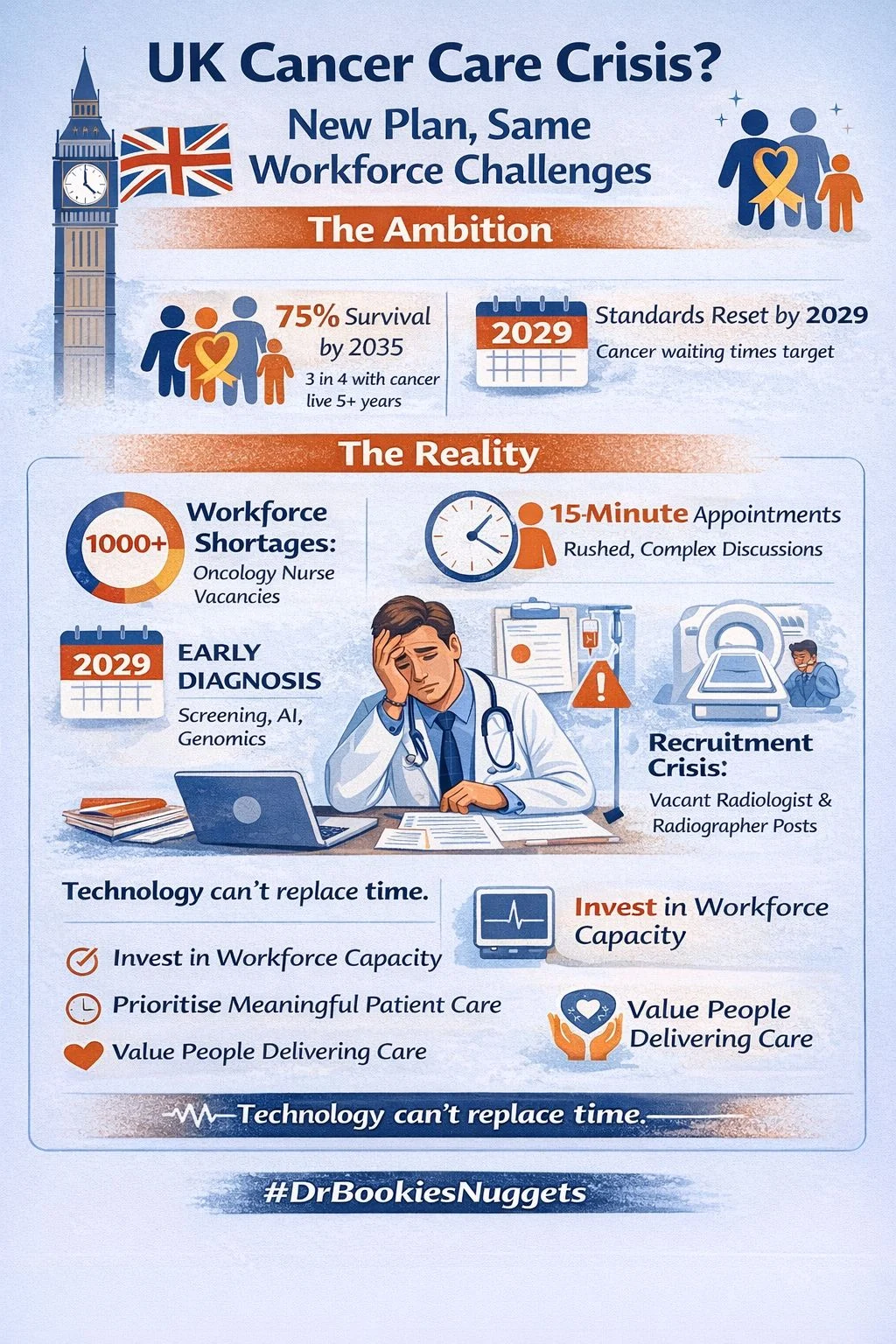
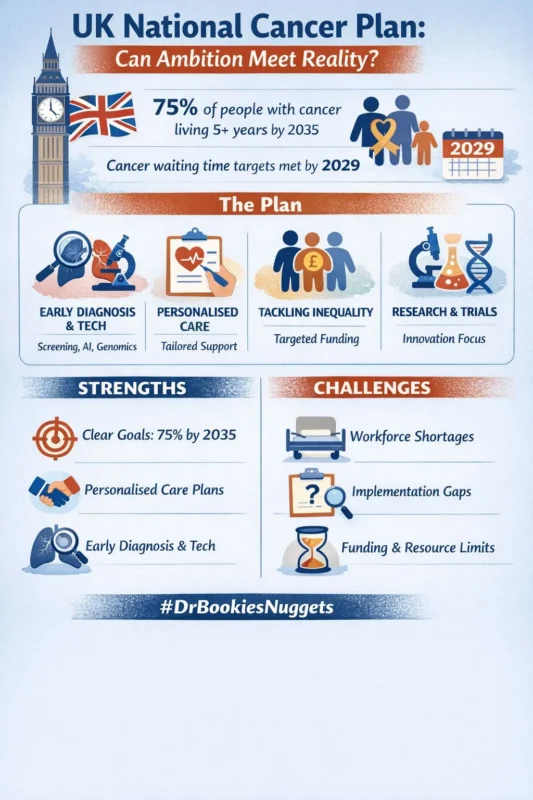
The headline goals are bold: 75% of people diagnosed with cancer surviving at least five years or living well with cancer by 2035 and restoration of cancer waiting time standards by 2029. The plan spans prevention, earlier diagnosis, treatment, and living with and beyond cancer.
There is so much to welcome.
The focus on earlier diagnosis, expanded diagnostics, and use of technology (AI, genomics, liquid biopsies) targets areas with real potential to improve outcomes. The commitment to personalized cancer care plans recognizes that cancer is not just about treatment, but about people, lives, and long-term impact.
Importantly, inequalities are acknowledged, with targeted funding and better data proposed to address variation in access and outcomes.
However, there are clear risks.
Implementation detail is sparse. Many commitments are directionally right but light on accountability, timelines, and delivery mechanisms, particularly across the 42 Integrated Care Systems with very different levels of maturity and resources.
Workforce capacity remains the biggest fragility. Diagnostics, radiotherapy, oncology, nursing, and allied healthcare professionals shortages are well known, yet workforce expansion is not articulated with the same clarity as the vision. Without people, technology and infrastructure alone will not deliver change.
We cannot deliver personalized, compassionate, and equitable cancer care through 15-minute oncology appointments, rising burnout, and chronic understaffing.
Short appointments are not a failure of clinicians. They are a symptom of a system stretched beyond safe and humane limits. Complex cancer discussions about diagnosis, treatment options, toxicities, prognosis, and patient values cannot be meaningfully compressed without consequences for patients and staff alike.
If we truly want to transform cancer outcomes, we must stop treating the workforce as an afterthought. Technology cannot replace time, and targets cannot substitute for adequately staffed, supported teams.
So is this another ambitious plan that risks falling short?
Not inevitably. The vision is directionally right, and alignment with wider NHS reforms creates opportunity. There’s also broad support from charities and industry.
But success will depend on serious investment in workforce capacity, protected time for meaningful patient care, and leadership that values the people delivering cancer services as much as the outcomes being measured.
Cancer plans do not deliver care. People do.”
Other articles featuring National Cancer Plan on OncoDaily.