





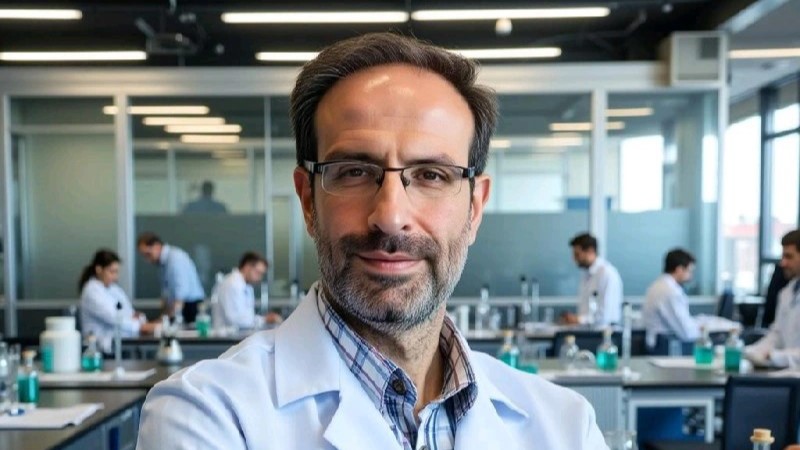
Nareg Varjabedian, Regulatory Affairs Team Lead at ClinChoice, shared a post on LinkedIn:
“Some drugs may increase cancer risk — yet we still prescribe them. Why?
Because therapeutic benefit outweighs risk when managed correctly.
Immunosuppressants, biologics, alkylating agents, hormonal therapies, PPIs, even some antidiabetics all have documented associations with malignancy in long-term or specific populations.
But discontinuation is often not an option.
Intelligent follow-up is.
This is where the clinical pharmacist becomes indispensable.
What we do beyond dispensing:
- Interpret Phase III & IV data and real-world evidence
- Identify dose-, duration-, and population-dependent cancer risks
- Stratify patients by cumulative exposure and comorbidities
- Design personalized monitoring plans (CBCs, dermatologic exams, HPV screening, urinalysis, endoscopy, etc.)
- Optimize dose, duration, and combinations
- Educate patients using absolute vs relative risk, not fear
- Actively contribute to pharmacovigilance & post-marketing surveillance
Cancer risk is not binary ‘ it is dynamic.
And dynamic risks require continuous reassessment, not static prescribing.
The clinical pharmacist bridges:
- Clinical trials ➜ Real-world patients
- Efficacy ➜ Safety
- Treatment ➜ Long-term outcomes
In modern medicine, follow-up is a therapy itself and pharmacists are central to it.
If we want safer long-term treatment, reduced preventable malignancies, and evidence-driven decisions ,
clinical pharmacists must be embedded in therapeutic monitoring, not consulted after complications occur.”
More posts featuring Nareg Varjabedian.