





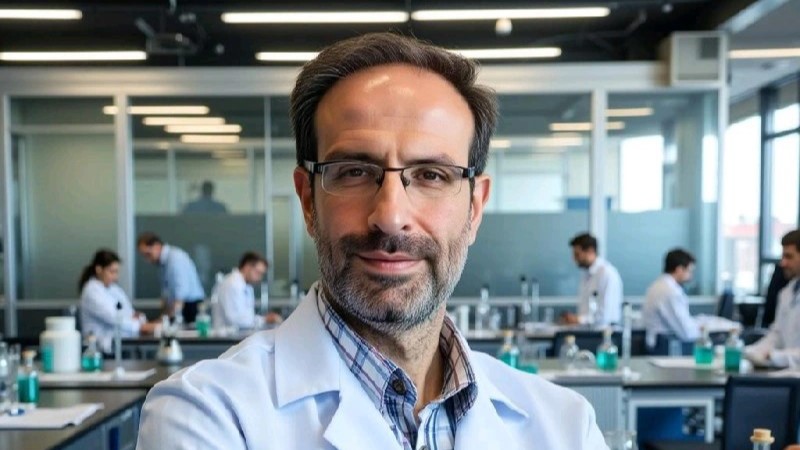
Nareg Varjabedian, Regulatory Affairs Team Lead at ClinChoice, shared a post on LinkedIn:
“Drug Development & Clinical Trials: The Pharmacist’s Blind Spot
We often ask a painful question in oncology R&D:
“Why did this trial fail… when the biomarker selection was perfect?”
The target was right.
The biology made sense.
The AI models were strong.
Yet outcomes disappointed.
What’s frequently missing? Not more data — but early clinical pharmacology intelligence.
Where trials quietly break down
- Protocol-defined dosing assumes uniform metabolism
- Real patients bring variability: organ function, comorbidities, DDIs
- Exposure ≠ dose, especially in oncology
- Immune-modulating drugs behave differently across tumor microenvironments
These gaps don’t appear in genomic dashboards —
They appear at the bedside.
The underused role of the clinical pharmacist
A clinical pharmacist doesn’t just “manage medications.”
They:
- Translate multi-omic insights into realistic dosing strategies
- Identify PK/PD mismatches before phase II/III
- Anticipate toxicity patterns that trigger trial dropouts
- Flag regulatory risks tied to exposure variability
- Align biomarker promise with real-world feasibility
In short:
We reduce uncertainty before it becomes a failed endpoint.
Trial optimization isn’t only about who to treat
It’s also about:
- How much, how often, in whom
- Under which real-life conditions
This is where AI, molecular profiling, and clinical pharmacology must meet.
The human side
Every protocol deviation is a patient struggling. Every avoidable toxicity is a person losing trust. Every failed trial delays hope.
Clinical pharmacists sit at that intersection between data, regulation, and human reality.
Future-ready oncology trials won’t just be biomarker-driven.
They’ll be pharmacology-informed, regulation-aware, and patient-centered.
- That’s not a luxury.
- That’s how we de-risk innovation.”

More posts featuring Nareg Varjabedian.