





Nareg Varjabedian, Regulatory Affairs Team Lead at ClinChoice, shared a post on LinkedIn:
“From Metabolic Disease to Cancer Prevention — a Clinical Pharmacology Perspective
For many years, cancer prevention meant screening, early detection, and oncology-specific tools.
But in daily clinical practice, we see something deeper and more interconnected.
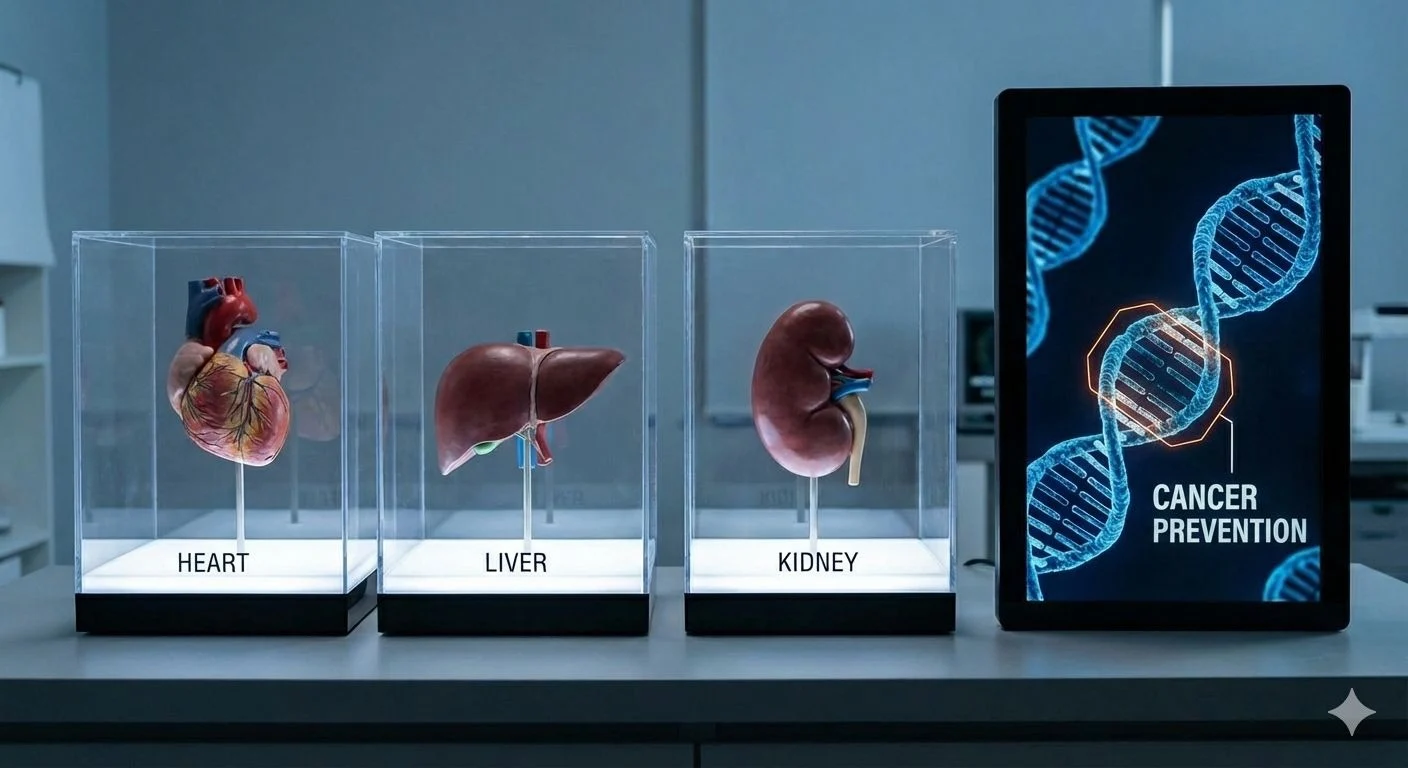
Diabetes, obesity, cardiovascular disease, chronic kidney disease, and liver disease often coexist — and they quietly create a biological environment that favors cancer development long before a tumor is diagnosed.
As clinical pharmacists, this raises an important question: Can the way we treat metabolic disease today influence cancer risk tomorrow?
Metabolism and Oncology Are More Connected Than We Thought.
Chronic metabolic dysfunction drives pathways that are also central to oncogenesis:
- Persistent hyperinsulinemia and IGF-1 signaling
- Low-grade, chronic inflammation
- Lipotoxicity and mitochondrial stress
- Progressive organ fibrosis (liver, kidney, heart)
- Impaired immune surveillance
In many patients, cancer appears not as an isolated event, but as a late consequence of long-standing metabolic imbalance.
Where Clinical Pharmacology Makes a Difference – Modern pharmacotherapy no longer focuses only on lowering numbers.
Well-designed metabolic therapies can:
- Reduce insulin exposure and anabolic signaling
- Improve inflammatory and oxidative profiles
- Slow or reverse fibrotic processes
- Restore a healthier metabolic-immune balance
This means we are not just treating diseases we may be modifying the biological terrain in which cancer develops.
The Concept of ‘Balanced Organ Protection’
The future of prevention is not aggressive or toxic. It is balanced, long-term, and safe.
The most promising strategies are those that protect multiple organs simultaneously:
- Metabolic health
- Cardiovascular stability
- Renal protection
- Hepatic integrity
When organs function in balance, oncogenic pressure may quietly decrease — without a patient ever realizing it.
Safety Comes First
Cancer prevention through pharmacology only works if:
- Therapies are safe for chronic use
- Benefits clearly outweigh long-term risks
- Treatment decisions are individualized
- Ongoing pharmacovigilance is respected
This is where clinical pharmacists play a critical role — translating evidence into safe, real-world practice.
A Shift in How We Think About Prevention.
We may be entering an era where: Cancer is treated only when it appears.
Cancer risk is reduced years earlier through optimized metabolic care.
Not by replacing oncology , but by supporting prevention at its biological roots.
I’d love to hear your thoughts:
Should cancer prevention strategies start incorporating metabolic pharmacotherapy as part of routine care for high-risk patients?”
More posts featuring Nareg Varjabedian.