May Abdel-Wahab, Director Division of Human Health at International Atomic Energy Agency, shared on LinkedIn:
“Taking a moment to reflect on some of our NAHU activities in 2025 – in addition to the many activities already on previous posts.
Over 3,200 medical physicists registered for our six-month webinar series on AI in radiation medicine. Recordings and future sessions.
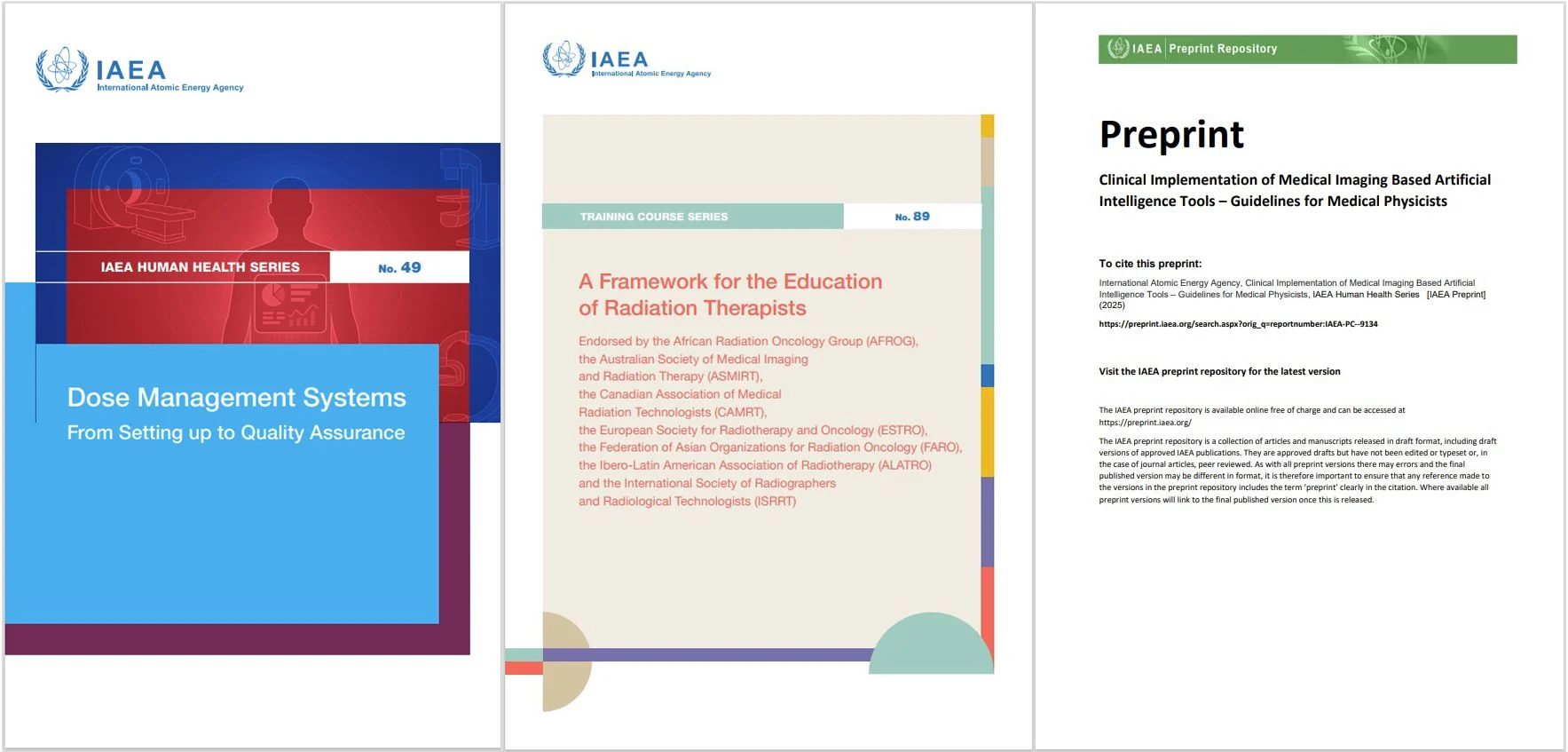
Several guidance publications were completed, covering dose management systems, clinical implementation of AI in medical imaging, and education frameworks for radiation therapists:
- From Setting up to Quality Assurance
- A Framework for the Education of Radiation Therapists
- Clinical Implementation of Medical Imaging Based Artificial Intelligence Tools
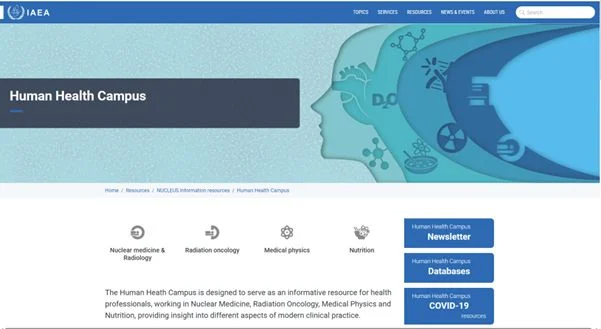
The Human Health Campus continued to serve as a critical resource, offering new content in radiobiology, mammography, PET/CT, and CT.
We’ve been particularly active in our research component, with several coordinated research projects either continued or newly launched.
1. We’ve demonstrated the feasibility of image-guided brachytherapy in resource-challenged contexts
2. Expanded on biodosimetry’s clinical potential.
3. Highlighted how AI can help contour organs at risk in head and neck cancer cases.
4. Under ZODIAC, we further developed our AI-driven Respiratory Disease Phenotype Observatory to detect potential pandemics.
Our newly launched Coordinated Research Projects CRPs will
5. Investigate how AI can assist with contouring gross tumor volumes.
6. Develop CT-based guidelines and an AI tool to contour prostate cancer.
7. Explore stem-cell based regenerative therapies.
8. Harmonize sentinel node biopsies to support safer cancer surgeries.
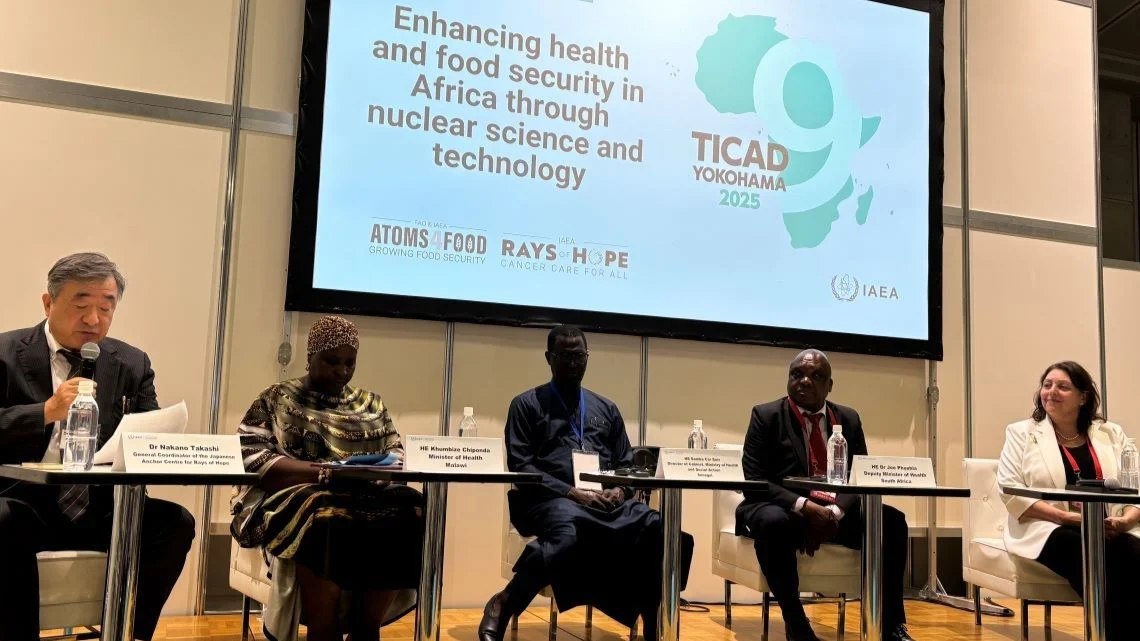
9. Improve nutrition and clinical outcomes for cancer patients. Through Atoms 4 Food, we carried out our first set of assessment missions – providing tailored advice for better nutrition security.
10. Optimize human milk intake research in infants.”
Other articles about Radiation Medicine on OncoDaily.