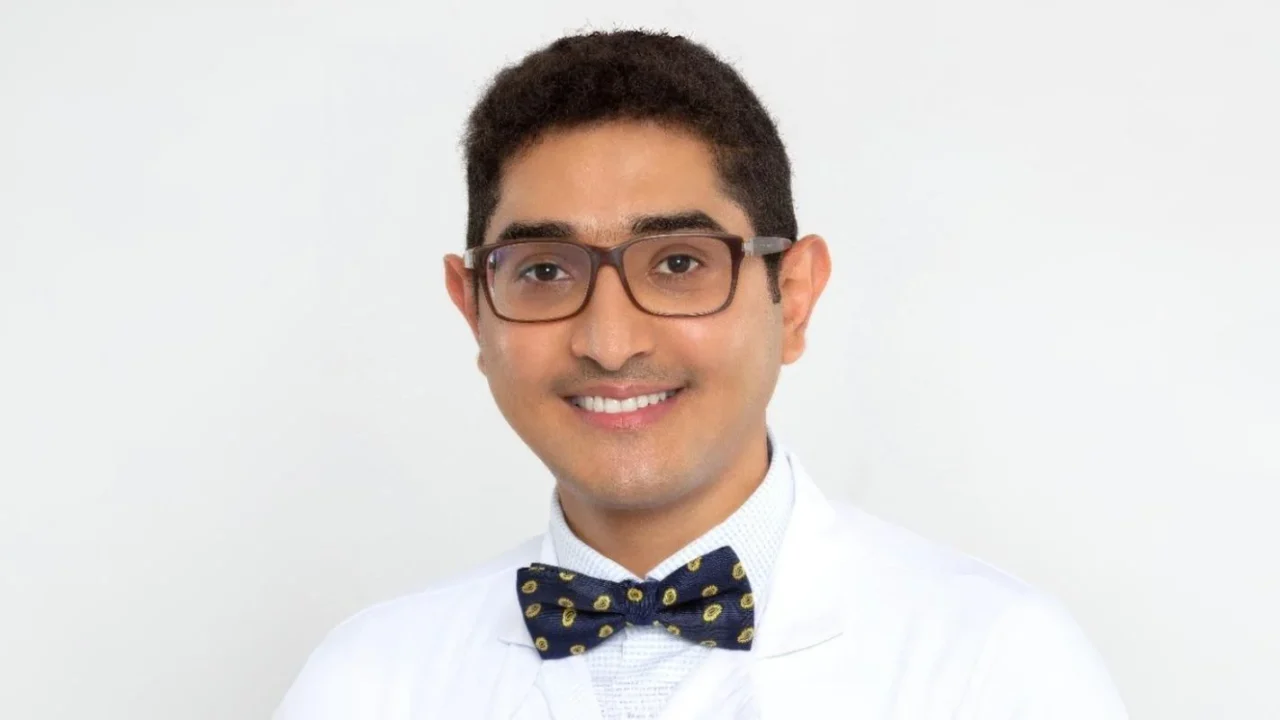
Musab AlDhari, Head, Section of Palliative Care at King Faisal Specialist Hospital and Research Center, shared a post on LinkedIn:
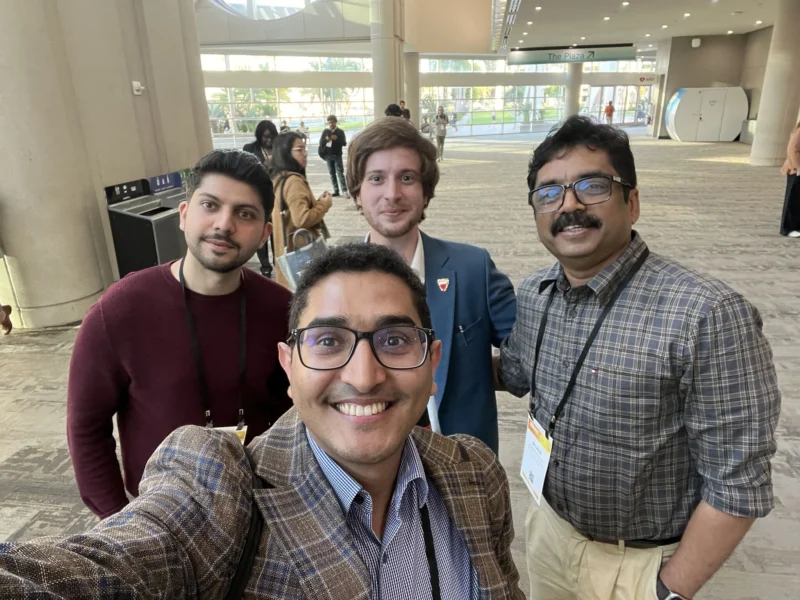
“Closing reflections from the Annual Assembly of the American Academy of Hospice and Palliative Medicine in San Diego, a truly rich and inspiring gathering.
Some of the sessions that stood out:
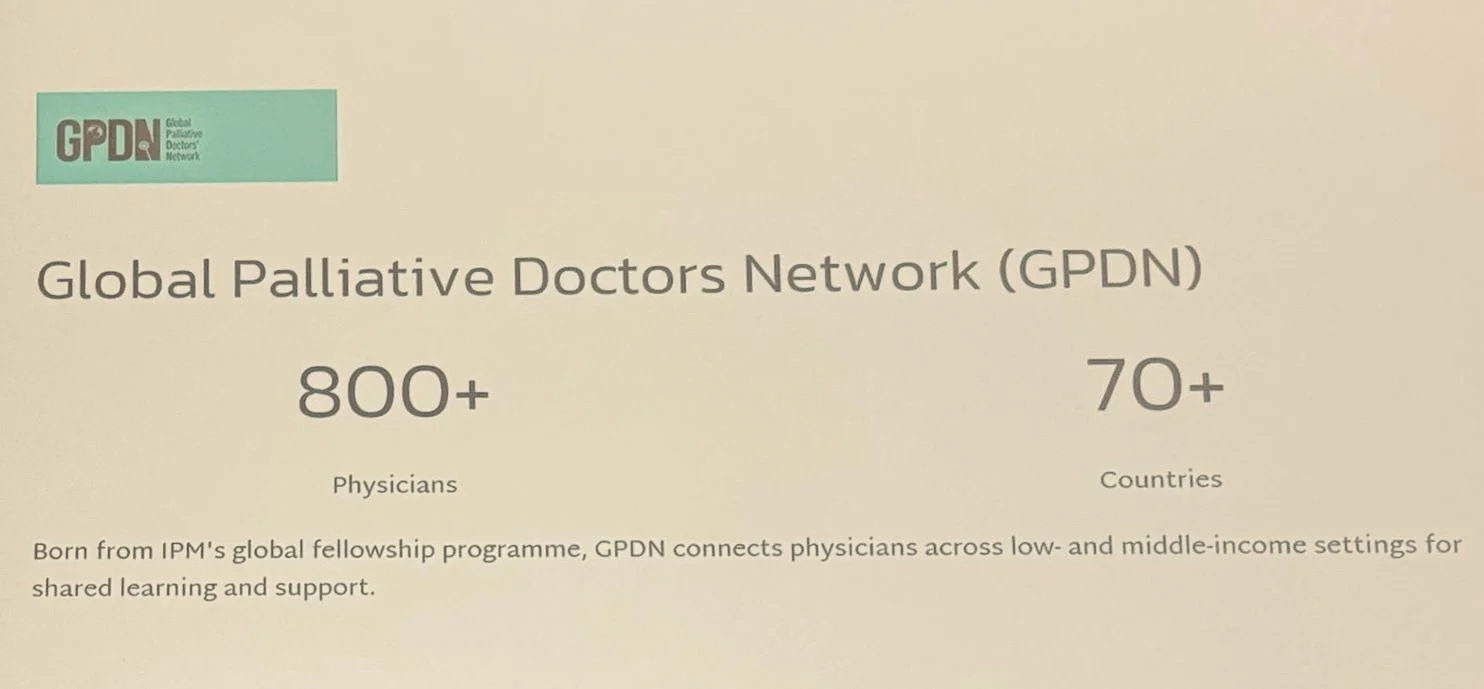
- Palliative care in India – remarkable progress over the past decade through structured regulation and workforce development, great meeting a dear colleague and friend Dr N M Mujeeb Rahman. Also inspiring to hear about the GPDN, which grew from a simple WhatsApp group into a global community of physicians exchanging knowledge and collaboration, glad to contribute as an active member of this initiative.
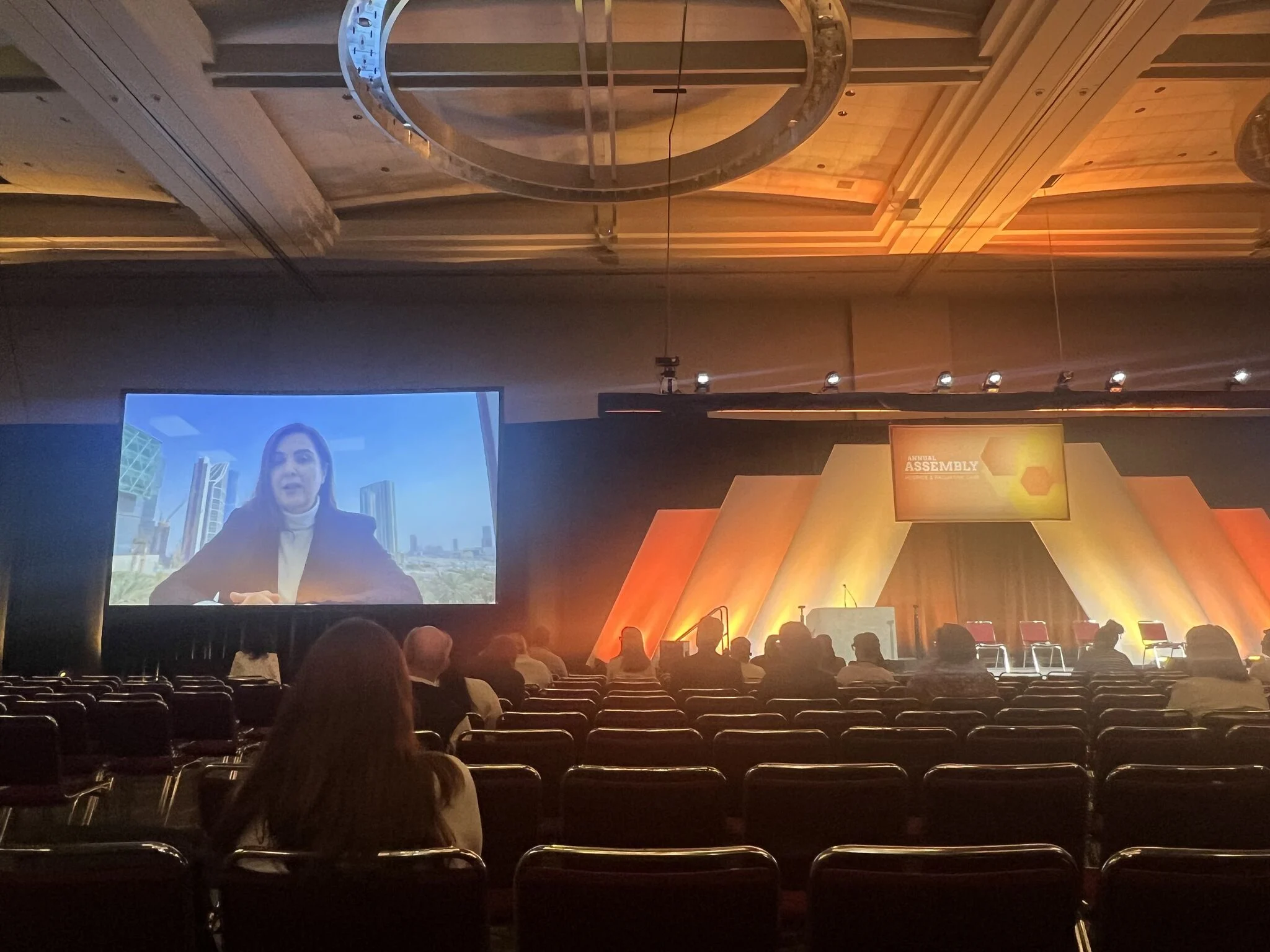
- A thoughtful session reflecting on the challenges families face when navigating serious illness. I was particularly touched by the reflections shared by Dr Mona Tareen,MD.MSc.FAAHPM.PhD(student). Although she could not join in person, her contribution was truly impactful. She continues to be a valued voice in the global palliative care community, and I look forward to future collaboration.
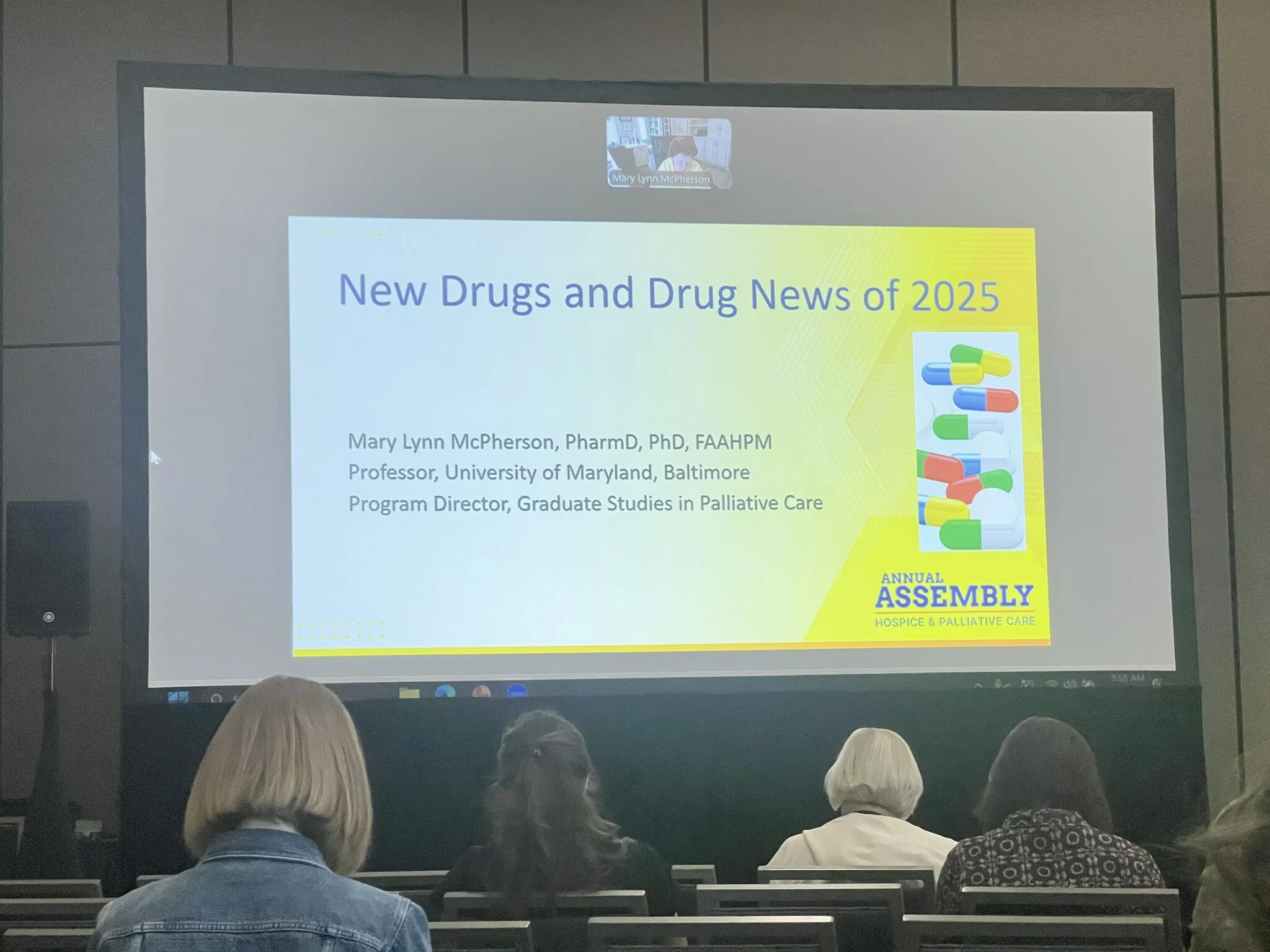
- Drug updates in 2025 – always a must-attend session, with excellent updates on emerging therapies and evolving symptom management strategies, by Mary Lynn McPherson, PharmD, PhD, BCPS
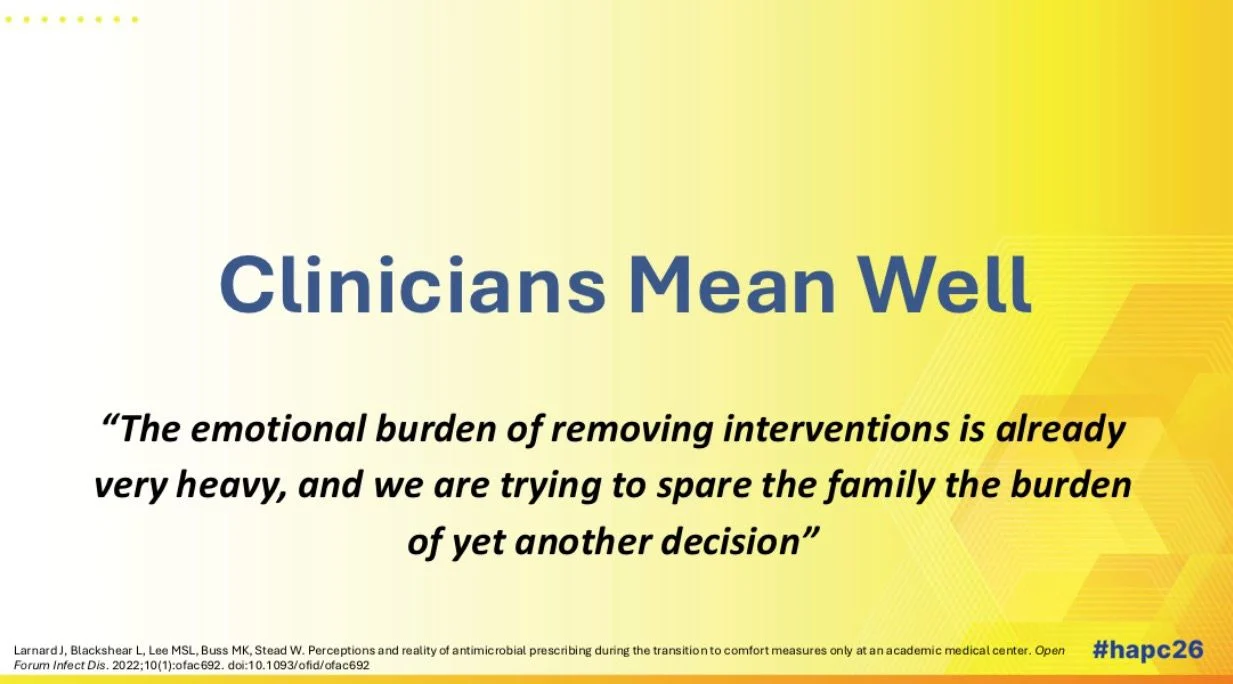
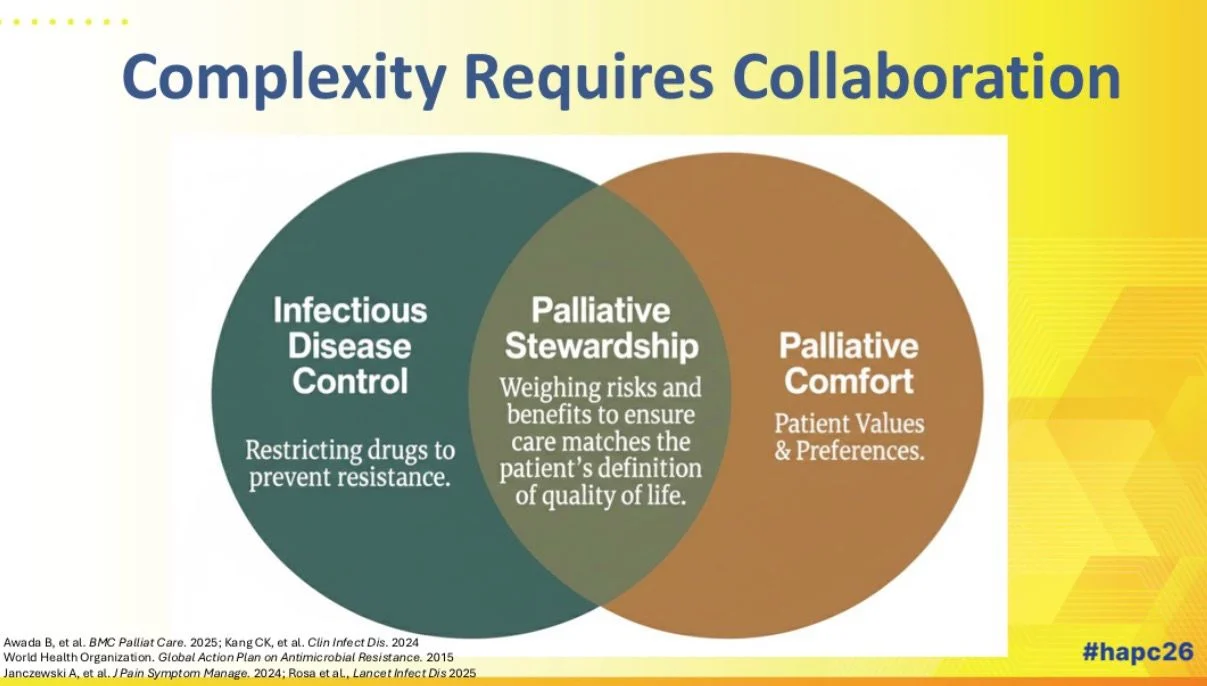
- Antimicrobial use at the end of life – an important discussion around the emerging concept of palliative stewardship, balancing infection control with comfort-focused care.
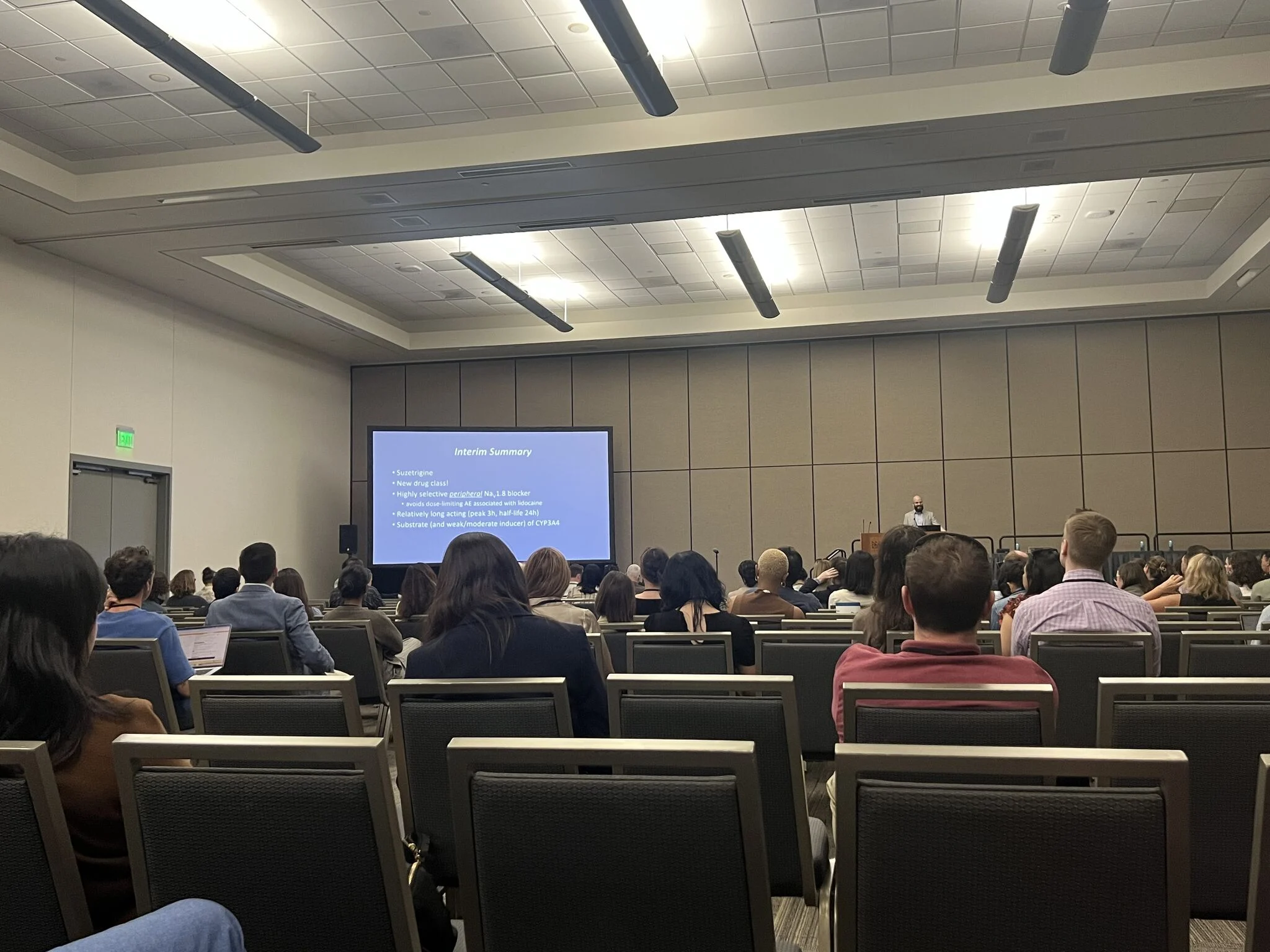
- Advances in pain management – including discussion on (suzetrigine), the first novel non-opioid analgesic class approved in more than two decades. Several sessions also explored the evolving role of (buprenorphine), highlighting its unique pharmacology among opioids and the growing experience with its different formulations, opioid rotation strategies, and its potential role in complex pain management.
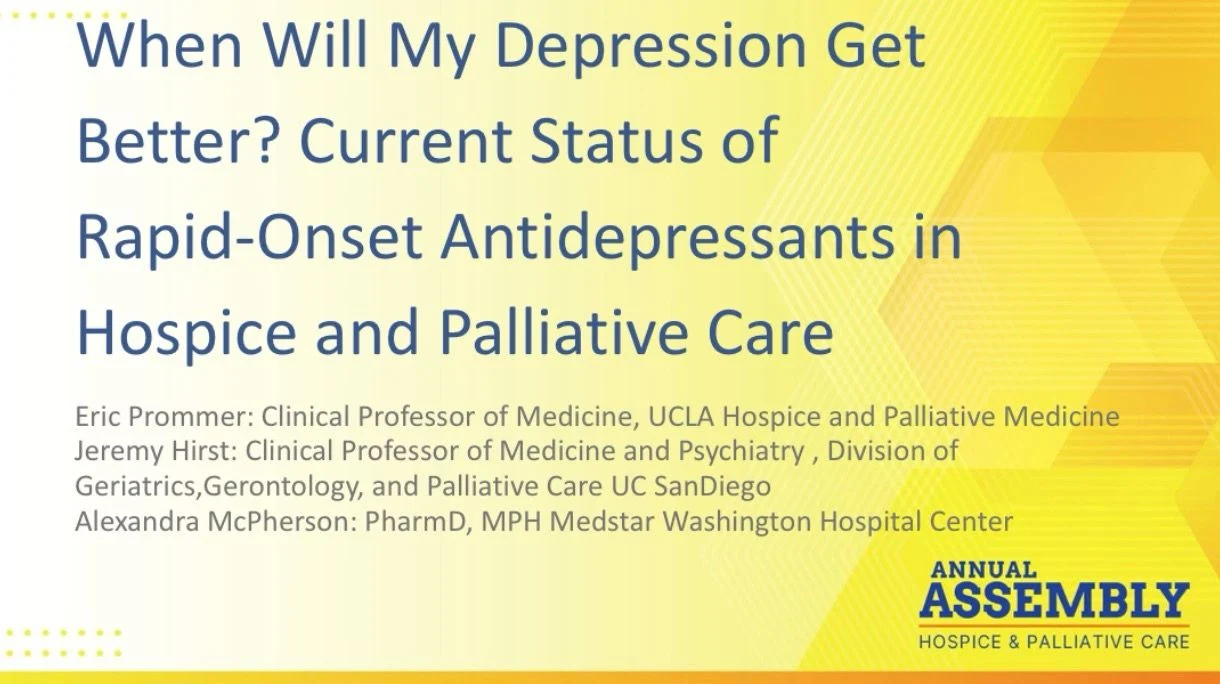
- Rapid-acting antidepressants in palliative care – addressing urgent psychological distress when time is limited near the end of life.
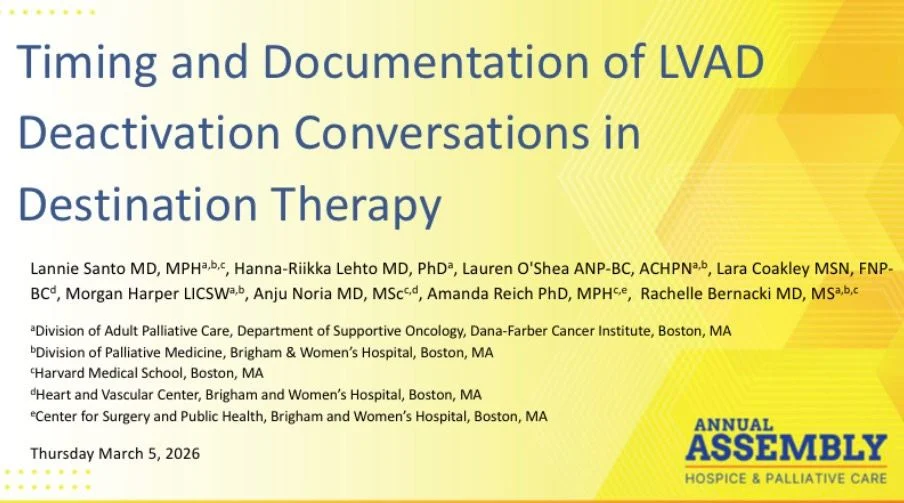
- Palliative care in cardiovascular disease – including integration for patients with LVADs, reflecting the growing need beyond oncology.
- Adolescents and Young Adults (AYA) – encouraging to see increasing focus on this unique population, including discussions on physical, psycho-social, spiritual and sexual health needs.
- Emerging subspecialty collaborations – including initiatives such as Neuro-Pal, Liver-Pal, Palli-Pulm, and disease-specific integration across hematology such as AML, MDS, Sickle-cell Disease.
A rich meeting filled with ideas, collaboration, and forward thinking for the future of our field.
Looking forward to continuing the conversation, and to AAHPM 2027.”
Other articles featuring Musab AlDhari on OncoDaily.