Miriam Mutebi, Breast Surgical Oncologist and Assistant Professor in the Department of Surgery at the Aga Khan University Hospital, shared a post on LinkedIn:
“The best learning happens when egos leave the room.
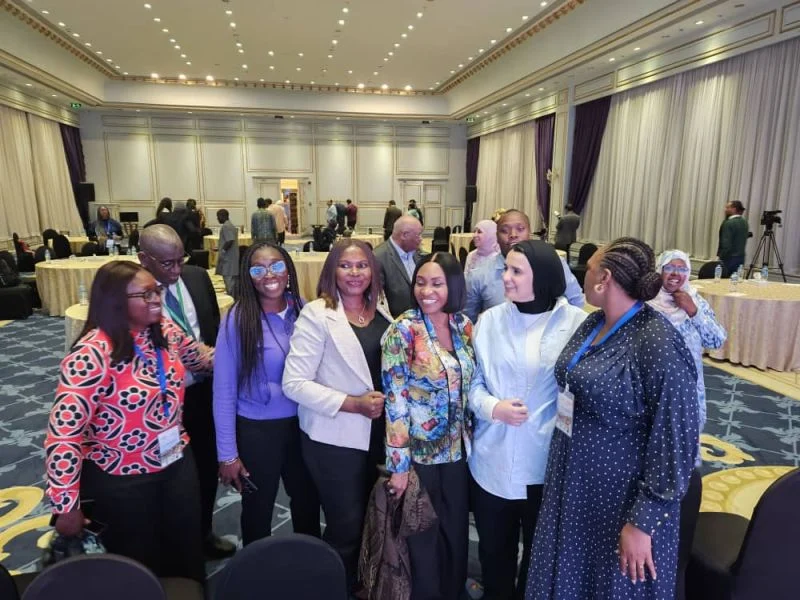
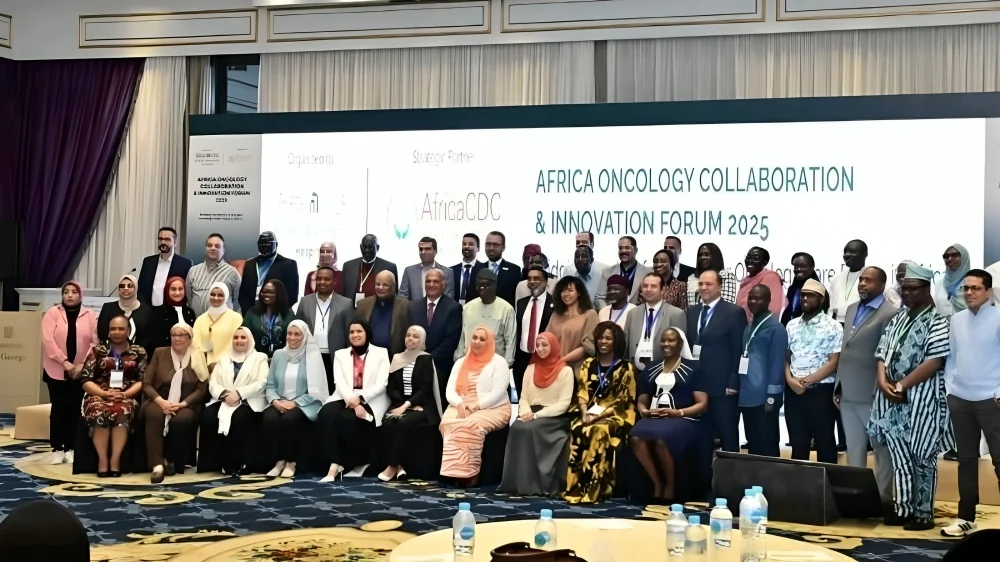
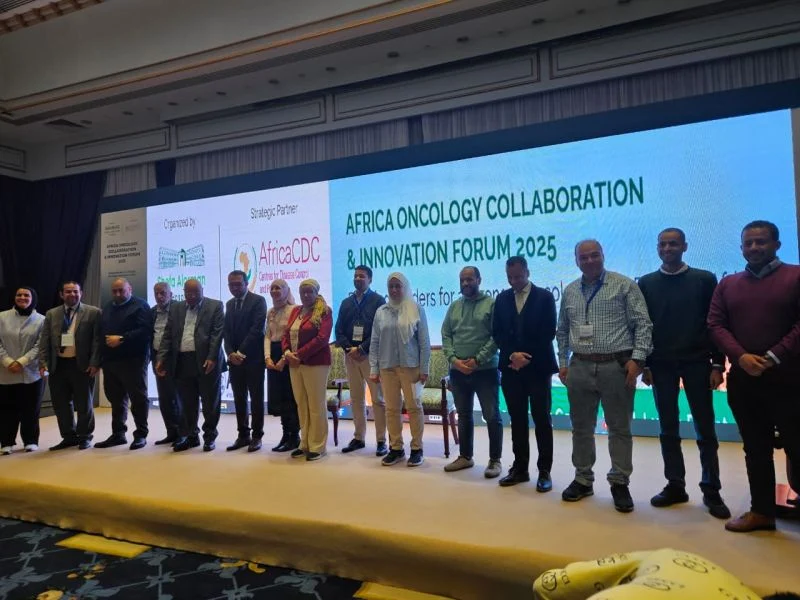
Our Egypt trip, coordinated by Shefa El Orman Hospital and supported by the Africa CDC and the Africa Health Business team (led by Dr. Mary Musa and Dr. Dr Amit N. Thakker ,EBS), among other partners, was not a ‘study tour.’
It was a knowledge exchange.
Kenya. Nigeria. Egypt.
Three contexts. Three health systems. Three sets of challenges and innovations. And one shared commitment: closing the cancer care gap for African populations.
Here’s what made this collaboration different:
1/ Mutual respect from the start
No one came as the “expert” or the “learner.” We came as peers with different experiences, ready to share openly and absorb genuinely.
2/ Time to dig deep
Teams stayed late into the night, not because they had to, but because the conversations were too valuable to cut short. We brainstormed strategies, challenged assumptions, explored “what if” scenarios together.
3/ Focus on adaptation, not just admiration
It’s easy to visit an impressive facility and say “Wow, that’s amazing.” It’s harder to ask: “How did you build this? What failed along the way? How can we adapt this for our context?”
We asked those questions. And the Egyptian teams answered with radical honesty.
4/ Commitment beyond the visit
This wasn’t a one-time trip. This was the beginning of ongoing collaboration, sharing tools, troubleshooting challenges, co-designing solutions that work across borders.
What I’m taking home:
- Digitization doesn’t require massive budgets, it requires strategic thinking about where technology adds the most value in the patient journey
- Patient navigation is cultural, not just clinical, the best systems are built with deep community understanding
- Survivorship programs are revenue-neutral or revenue-positive, they don’t drain resources; they strengthen sustainability
- Philanthropy works when trust is built through storytelling, communities invest in institutions they believe in
The truth about African healthsystems:
- We don’t lack innovation. We lack platforms for sharing it.
- We don’t lack expertise. We lack structures for cross-border learning.
- We don’t lack solutions. We lack investment in replication.
Collaborations like this one, coordinated brilliantly by Dr. Nashwa Kordy, Dr. Ibrahim Salem Alhussini MD. MSc., and the local teams, show us what’s possible when we prioritize learning from each other.
The best ideas for African health systems are already being implemented somewhere on the continent. We just need to share them faster.
Q: What’s one cross-border collaboration that changed how you approach your work? How did you sustain it beyond the initial meeting?”
More posts featuring Miriam Mutebi.