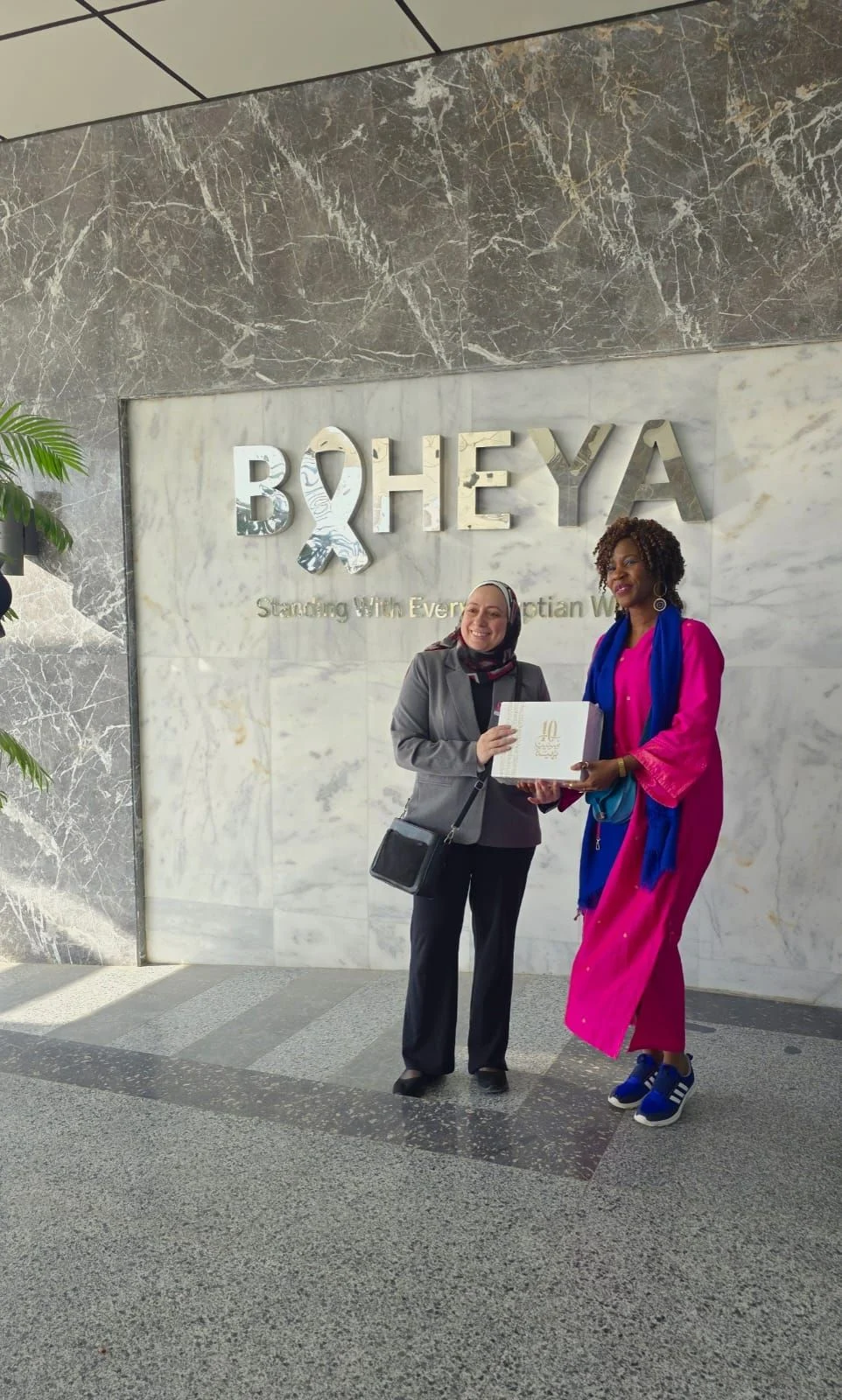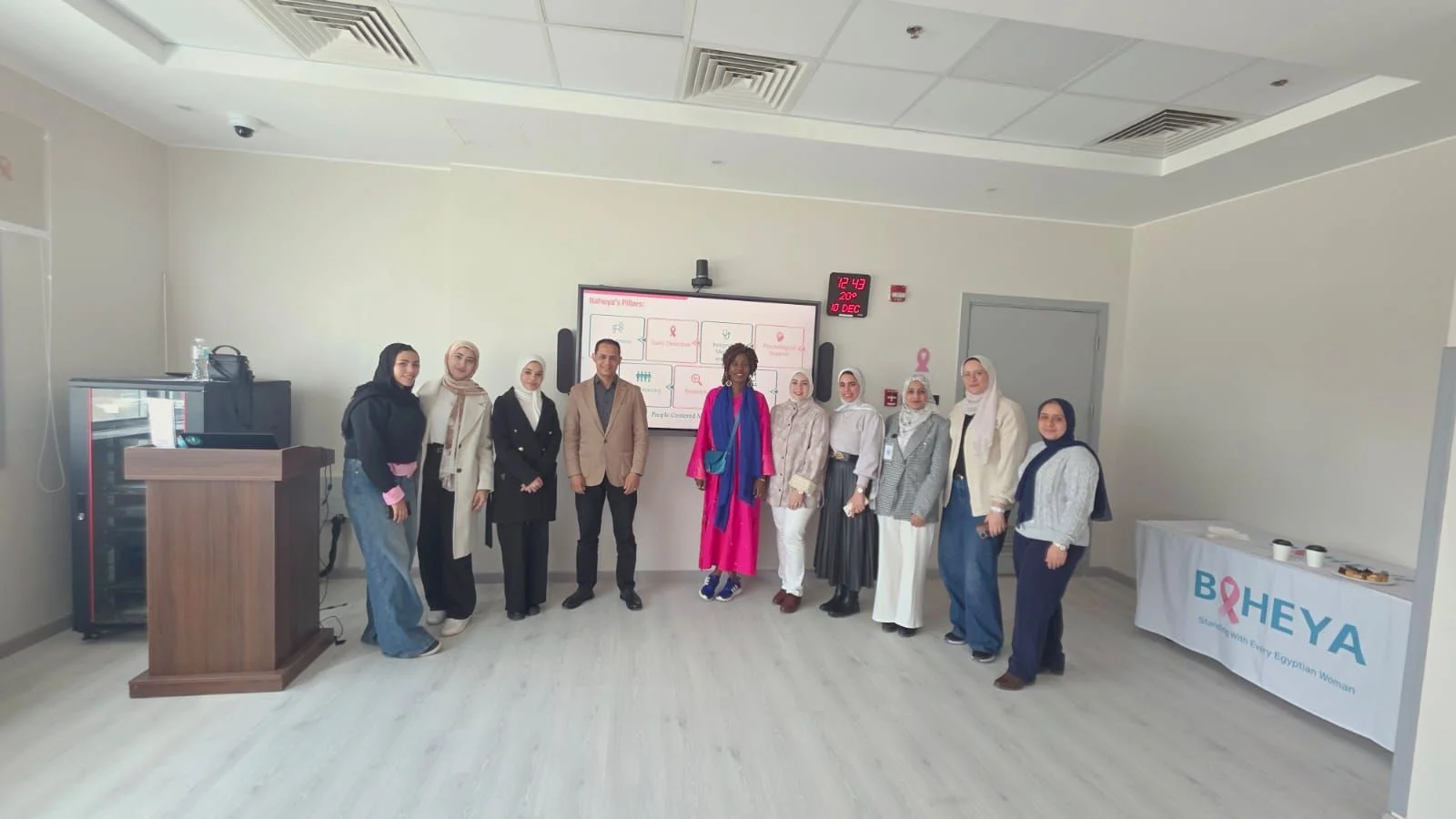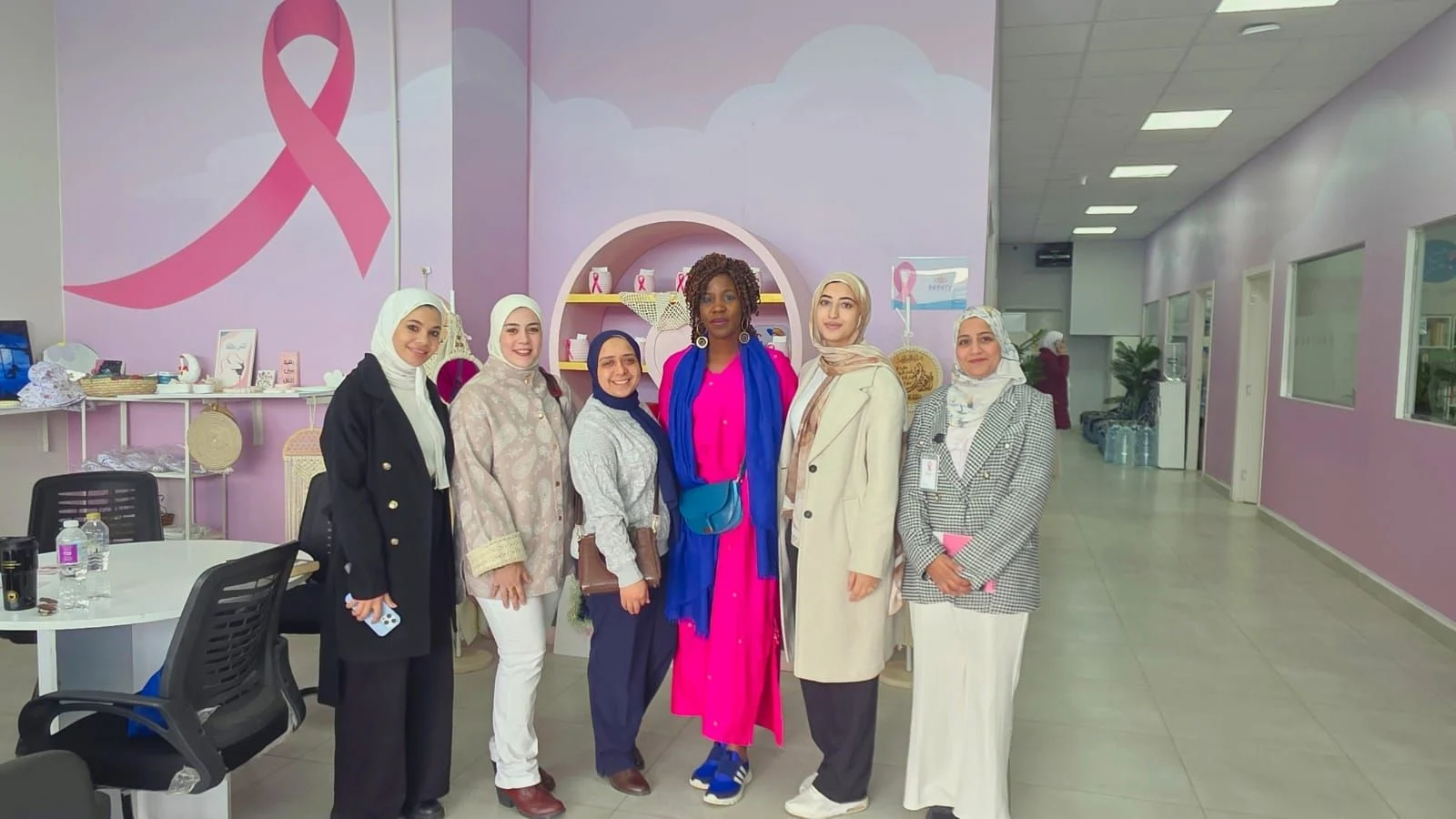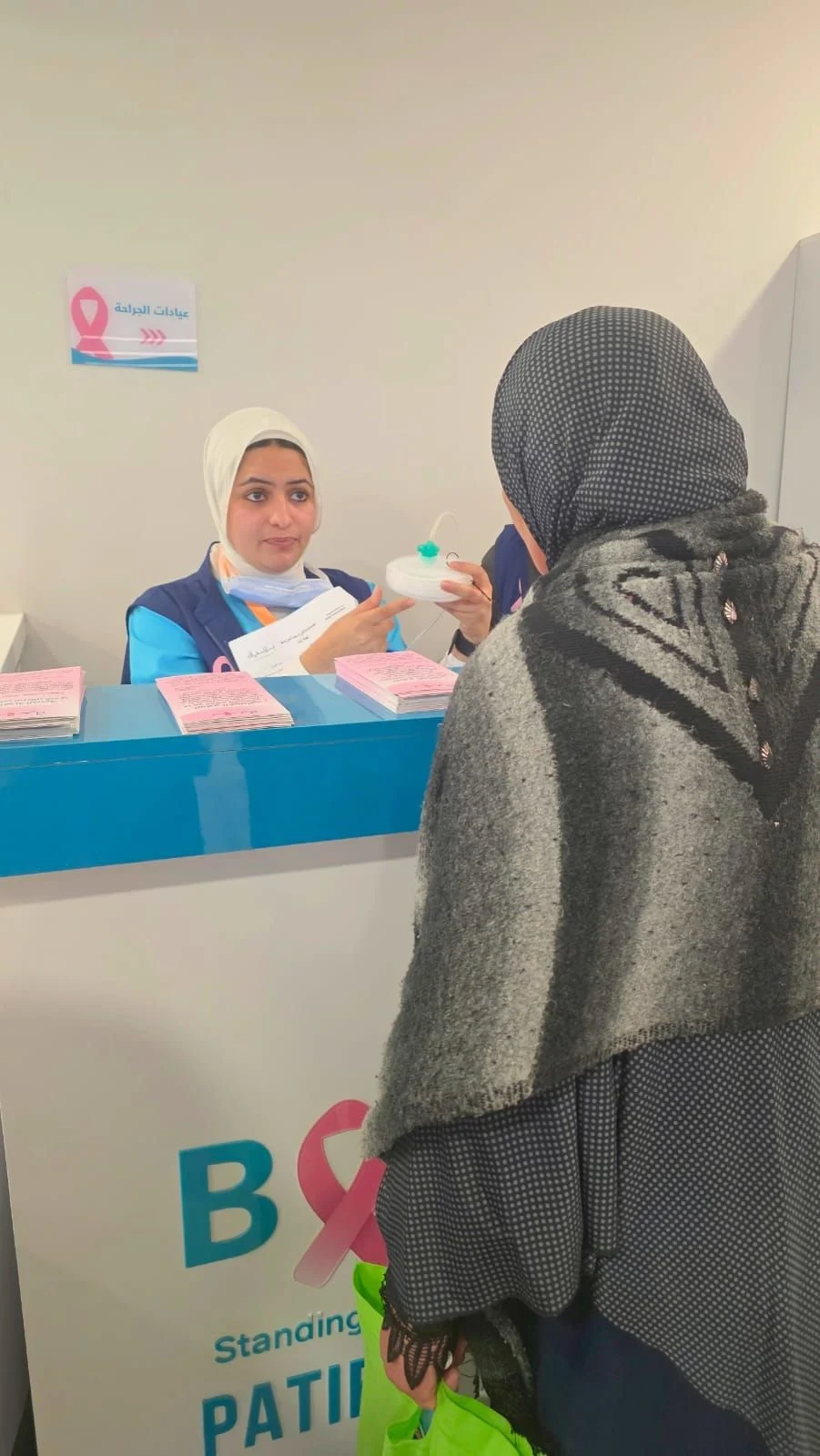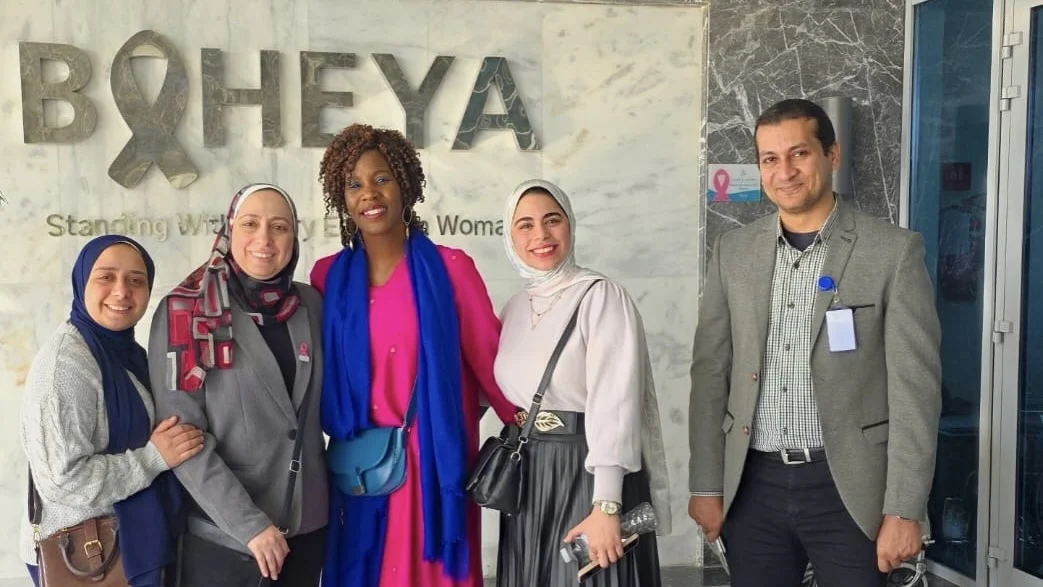
Miriam Mutebi, Breast Surgical Oncologist and Assistant Professor in the Department of Surgery at the Aga Khan University Hospital, shared a post on LinkedIn:
“Warmth and discipline rarely coexist in health systems.
But at the Baheya Charity Women’s Cancer Hospital in Cairo, they don’t just coexist; they amplify each other.
My visit to Baheya was deeply affirming. The experience embodied a powerful blend of warmth, discipline, and mission-driven care that resonated strongly with everything I believe women-centered cancer care should be.
Every staff member, from reception to clinical teams, carried a sense of shared purpose and genuine empathy. This wasn’t simply organizational culture. This was strategy in action.
What Baheya gets right:
1.Survivorship as a core pillar, not an afterthought
Their model integrates clinical excellence with psychosocial and survivorship support seamlessly. Survivorship isn’t an auxiliary service; it’s foundational.
Because treating the disease without supporting the woman through life after treatment? That’s incomplete care.
2. Community-rooted identity
Baheya’s identity is strengthened by hashtag#philanthropy and storytelling, creating a virtuous cycle of trust and sustainability. The community doesn’t just use the center, they believe in it, invest in it, and champion it.
3. Efficiency beneath the warmth
Beneath the compassion lies a highly efficient system: clear pathways, organized workflows, quality processes that allow empathy and discipline to coexist.
4. Women-centered design in practice
Led by Dr. Maher Hassan and clinician advocates Dr Yomna Omara, Dr. Hanaa Serry, Dr Radwa El-Seidy and their team, every space serves a purpose: music rooms for counseling, boutiques for reclaiming identity, sewing rooms for income generation, calming radiotherapy areas, and women-led research.
The design honors the center’s name: Baheya… Beautiful, radiant with inner light. A non-negotiable design principle.
Here’s why this matters for Africa:
We often hear that ‘women-centered design’ is aspirational, something to work toward, maybe achievable in high-resource settings.
Baheya demonstrates that it is not aspirational. It is achievable, scalable, and transformative. Right here. Right now. On the continent.
The question isn’t ‘Can we do this in Africa?’
The question is: ‘How do we replicate what Baheya has built across more communities?’
Because women deserve cancer care that sees them as whole people, not just diagnoses. They deserve systems that wrap around them with both clinical precision and human warmth.
Baheya shows us the blueprint. Now we need to scale it.
Q: Where have you seen warmth and efficiency coexist beautifully in healthcare? What made it work?.”
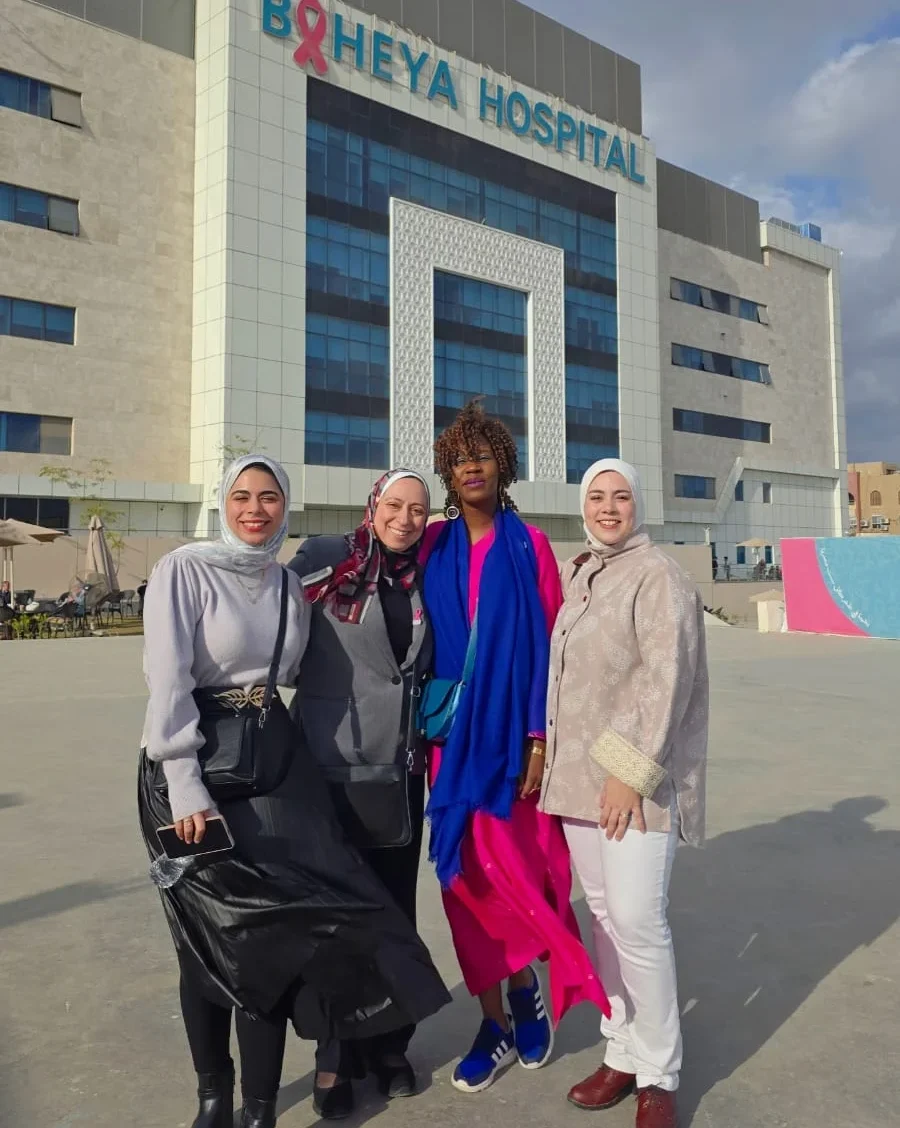
More posts about Baheya Hospital.