





Michelle Mitchell, Chief Executive at Cancer Research UK (CRUK), shared a post on LinkedIn:
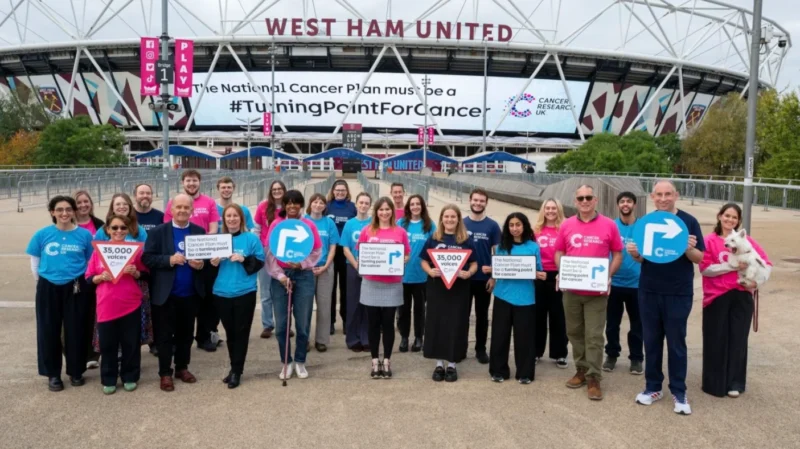
“The National Cancer Plan for England published today is a welcome and long ‑ campaigned-for step. After years without a dedicated strategy, it brings a renewed commitment to earlier diagnosis, timely treatment and the leadership needed to make progress possible.
On World Cancer Day, it is worth remembering why this matters. Every delay affects a person and the people who love them.
The plan sets the right ambition. What happens next will determine whether it delivers: investment in capacity, disciplined focus on evidence, and accountability from day one. These are the foundations that turn commitments into better outcomes.
Cancer Research UK (CRUK) will work with Government, the NHS and partners across the cancer community to keep delivery on track. With the right leadership and resources, we can make a meaningful difference – giving more people more time with the people they love.
You can read my reflections on what it will take to deliver this plan below.
The National Cancer Plan is a welcome step – now it must deliver for people affected by cancer
The National Cancer Plan for England marks an important moment. After more than a decade without a dedicated cancer strategy – and following years of disruption and widening inequalities – we now have a national commitment that recognises cancer must be treated with the seriousness it deserves. Cancer Research UK (CRUK) has long called for this, and many of the priorities we have championed are now reflected in the plan.
There is much to welcome: a commitment to meet cancer waiting times by the end of this Parliament; a renewed focus on earlier diagnosis; national rollout of targeted lung screening; improvements to bowel screening; better GP access to diagnostic tests; and stronger leadership on rarer cancers. The plan also bolsters national leadership on cancer research, launches a Cancer Trials Accelerator Programme, and improves access to data. These are important foundations.
But plans do not save lives. Delivery does.
For people affected by cancer, success is not measured in announcements. It is measured in how quickly they are diagnosed, how rapidly treatment begins and whether outcomes improve. Achieving this will take discipline, urgency and difficult choices in the months and years ahead.
1. Ambition must be matched by investment
The National Cancer Plan will stand or fall on whether the health system has the capacity to deliver it.
Confirming Cancer Transformation Funding at around current levels is welcome. It will support key commitments including lung screening and local action through Cancer Alliances.
However, most cancer spending sits within wider budgets. While the Department of Health and Social Care is due to receive a 2.8% annual real‑terms increase, much of this is already absorbed by existing pressures. In practice, limited headroom remains to expand diagnostic capacity, modernise equipment, strengthen digital infrastructure or introduce new services at scale.
Meeting cancer waiting time targets by 2029 – after nearly a decade of missed performance – depends on whether the system has the workforce, diagnostic and treatment capacity required. The forthcoming Ten Year Workforce Plan will be pivotal. And the next Spending Review in 2027 will be a decisive moment, determining whether long‑term ambitions can realistically be met.
2. Innovation must accelerate – with rigour
Extraordinary advances are coming: AI‑enabled diagnostics, new early detection technologies, liquid biopsies and increasingly personalised treatments. The National Cancer Plan rightly recognises this opportunity.
But innovation does not translate into better outcomes by default. Progress must be evidence‑led. That means testing promising interventions early, evaluating them robustly, scaling what works and stopping what does not. This is how we accelerate progress – by directing resources only to the advances that make the greatest difference for patients.
The UK is well placed to lead. We have world‑leading bodies with deep expertise in safe adoption and evidence assessment, including the UK National Screening Committee, NICE and the MHRA. Involving them from the outset will help ensure patients benefit sooner from the growing pipeline of innovation.
3. Build delivery and accountability from the start
The plan has ambition. What it needs now is the leadership, accountability and focus to turn commitments into real progress for cancer patients.
The NHS is changing – nationally and locally. In this context, clarity of roles, responsibilities and decision‑making matters more, not less.
Annual progress reports and a full review after three years are important. But what sits behind them is critical: a strong national cancer team with the authority and expertise to hold the plan’s shape; clear responsibilities across the NHS so delivery is everyone’s business, not confined to Cancer Alliances or national teams; and the right metrics to make priorities visible and drive improvement.
Partnership will be essential. No single organisation can deliver this plan alone. Life sciences partners, commercial organisations, strategic partnerships across the cancer community, charities and people affected by cancer all have a role to play. Together with Cancer Research UK, these partners bring expertise, evidence and challenge to turn commitments into reality.
A moment for cautious optimism
Despite the challenges, I am cautiously optimistic. The National Cancer Plan is the most comprehensive national commitment we have seen in many years, with a 10‑year horizon for sustained improvement. Important leadership has been shown in bringing it forward. But optimism must now be matched by action.
Three years from now, the first full review will provide an early test. It will show whether commitments are translating into progress for patients. Cancer Research UK will work with partners across the cancer community to keep delivery on track.
People affected by cancer demand early diagnosis, timely treatment and better outcomes. They need a system with the capacity to support them and a plan that translates ambition into action. With disciplined delivery, investment and a clear focus on evidence and accountability, we can make a meaningful difference – giving people more options, and often more time with the people they love.
This is where I will focus – and where Cancer Research UK will focus – until the promise of the plan is felt by everyone affected by cancer.”
More posts featuring Michelle Mitchell