Megan Sanders, Chief Executive Officer at Thoracic Oncology Group of Australasia, shared a post on LinkedIn:
“A fitting way to open the TOGA ASM with a breakfast session on ALK positive NSCLC.
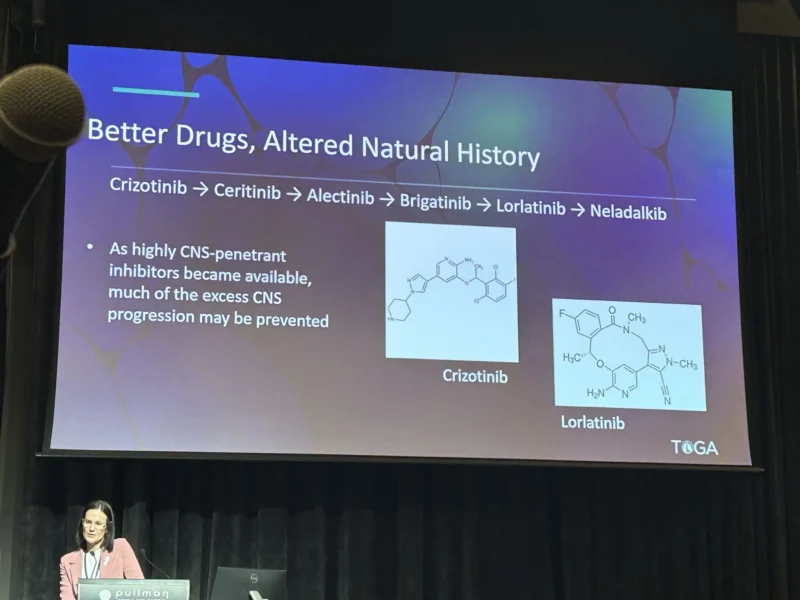
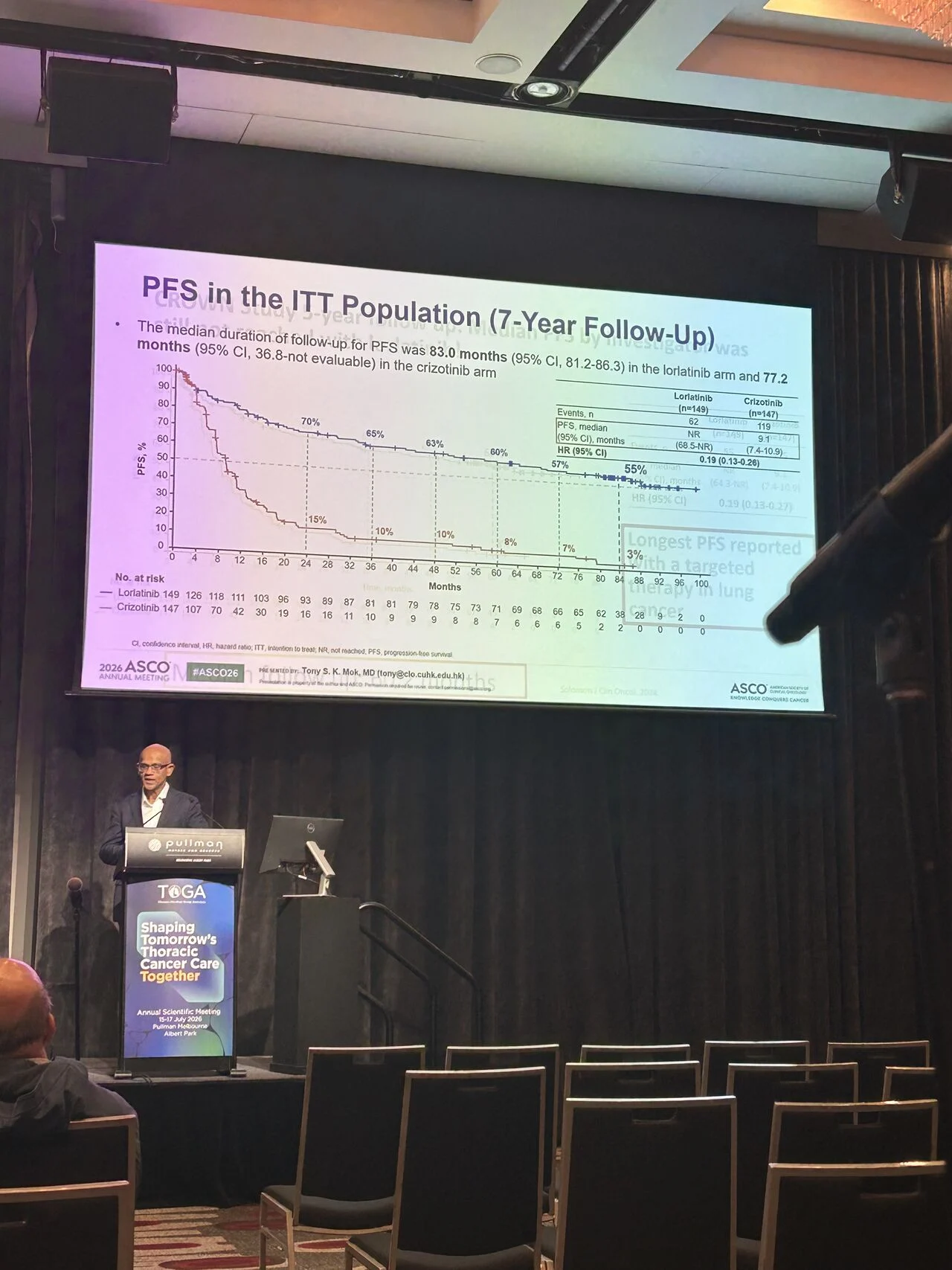
Prof Ben Solomon took us through the remarkable history of ALK inhibitors, a journey he helped shape from the early discoveries that ushered in the era of genomic medicine in non small cell lung cancer through to the CROWN study. The long term outcomes with lorlatinib continue to redefine expectations. The field is now also focused on optimising CNS control, managing adverse effects and overcoming resistance, including compound ALK mutations with next generation agents such as NVL-655.
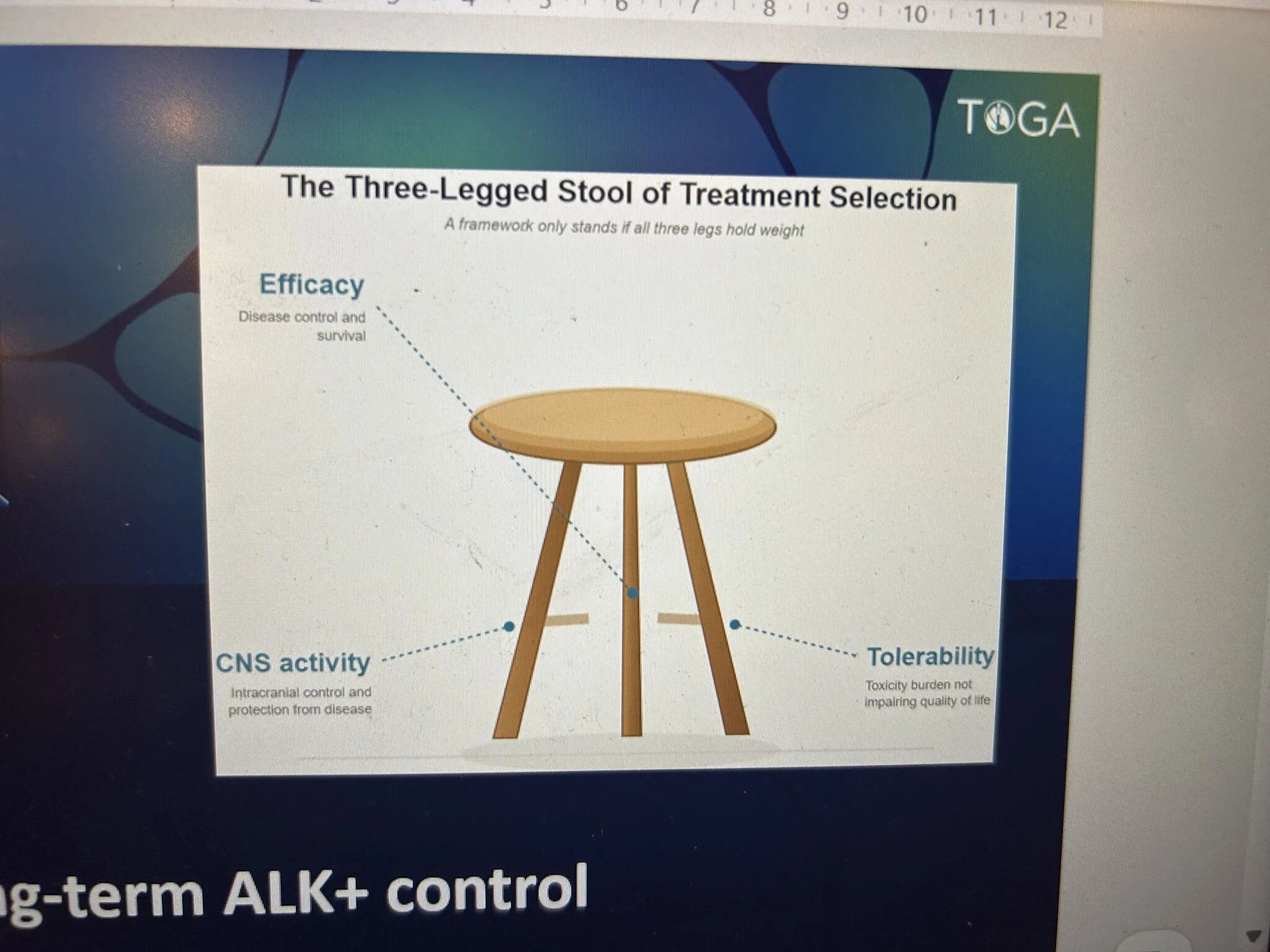
A/Prof Malinda Itchins provided practical insights into managing CNS adverse effects, highlighting the ‘three legged stool’ of balancing tolerability, CNS activity and efficacy through thoughtful dose optimisation. She also discussed the additional support that may be required for people with pre existing mental health conditions, ensuring patients can remain on effective treatment wherever possible.
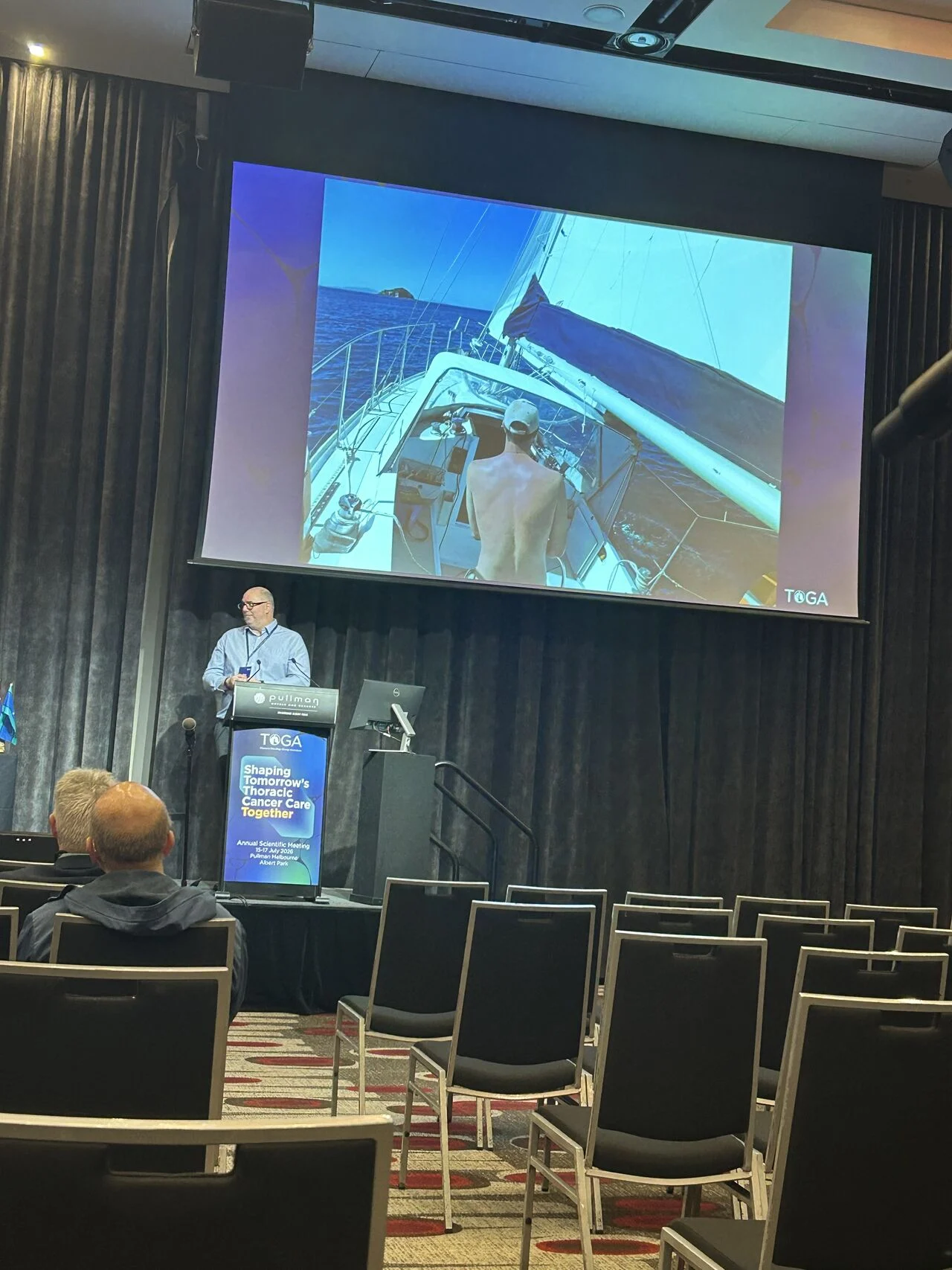
Dr Jon Graftdyk OAM brought the patient perspective to life. Living with ALK positive lung cancer, he described exercise and daily life as ‘always running into a headwind’. As survival improves, lung cancer is increasingly becoming a chronic disease requiring adaptation over many years. Jon challenged us to think differently about patient centred care by asking not only ‘How are you?‘ but ‘What has your diagnosis or treatment stopped you from doing that you still want to do?’ He also raised the challenge of introducing palliative care early, arguing that the name itself carries a stigma that, for many patients, is even greater than the stigma associated with lung cancer, creating a barrier to accessing valuable supportive care.
The discussion looked to the future, asking whether better biomarkers are needed to distinguish patients at risk of early relapse from long term responders. Comprehensive genomic profiling alone is unlikely to provide the answer, with future research likely to include methylation, host immune factors and other biological drivers.
Expertly chaired by A/Prof Melissa Moore, the session reflected how far precision medicine has come, and the importance of ensuring advances in science are matched by advances in supportive, patient centred care.”