





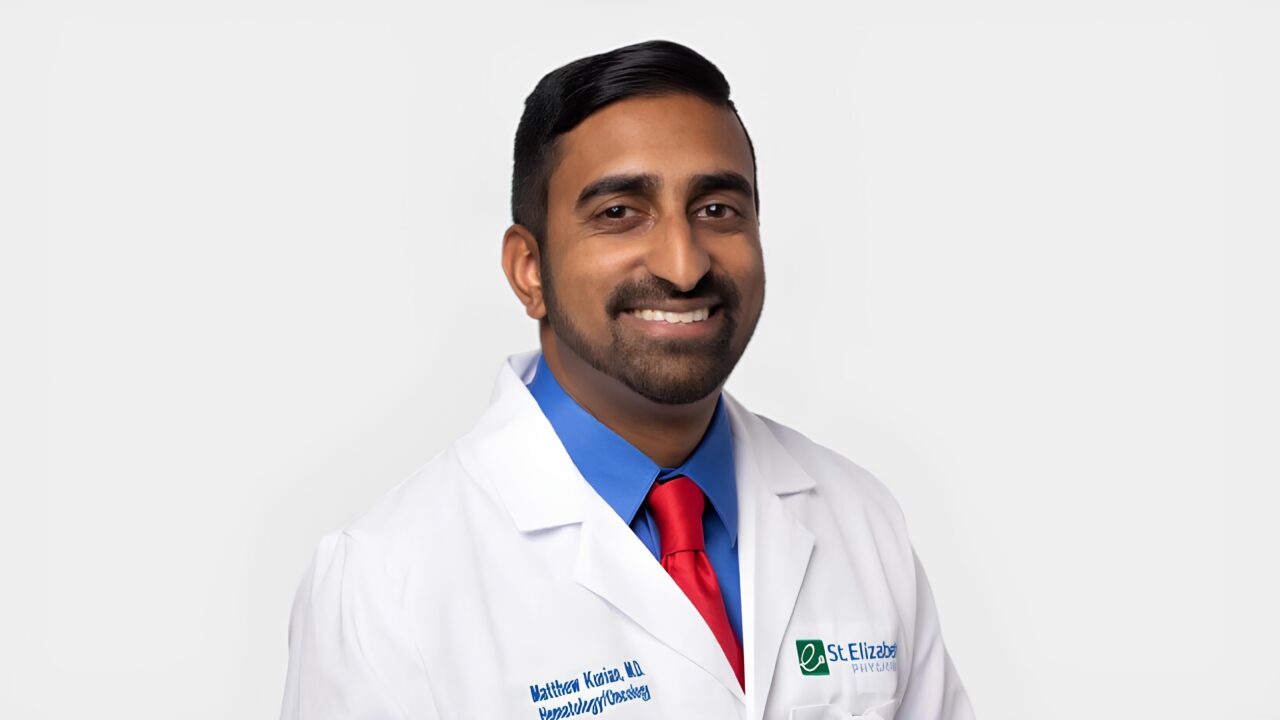
Matthew Kurian, Assistant Professor of Medicine at the University of Kentucky College of Medicine and Physician at St. Elizabeth Healthcare, shared a post on LinkedIn:
“AI is officially entering breast cancer risk prediction. Check out my interview with Breast Cancers Today!
Clairity, Inc. Breast is the first FDA-authorized AI tool that uses a woman’s existing screening mammogram to estimate her 5-year breast cancer risk – now launched in real-world clinical practice.
This is different from traditional models like Tyrer-Cuzick or Gail, which rely on family history, reproductive factors, and breast density. Clairity analyzes the image itself – detecting subtle mammographic patterns invisible to the human eye.
Why this matters:
- AI risk models consistently outperform traditional calculators in predicting future breast cancer risk
- They may identify women missed by current screening pathways
- National Comprehensive Cancer Network (NCCN) 2026 now recognizes imaging-based AI risk models, with ≥1.7% 5 year risk triggering increased-risk screening considerations
A few key caveats:
- This is for women without a prior breast cancer diagnosis (not recurrence prediction) and can also start at 35 (5 years before most screening recommendations)
- 1.7% = 5-year risk threshold, not the familiar 20% lifetime MRI threshold
- If AI and traditional models disagree? Many clinicians will likely pay attention to the higher-risk signal
The bigger picture? AI in breast cancer is rapidly expanding – from screening risk prediction (Clairity) to treatment decision support (ArteraAI, pathology-based models).
Precision oncology may be starting before diagnosis.”
Other articles featuring Matthew Kurian on OncoDaily.