





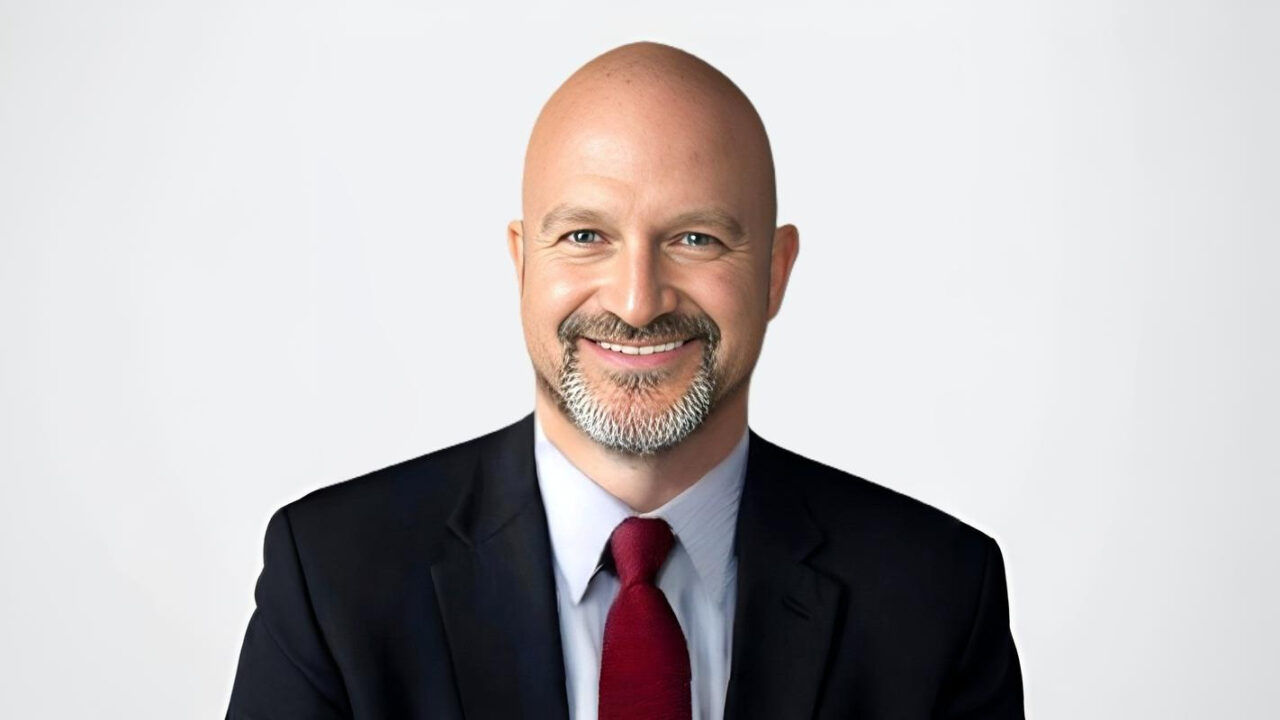
Matt Sherer, Director of Oncology Service Line at UMC Health System, shared a post on LinkedIn:
“Strategic vision and clinical excellence are no longer enough to lead in oncology.
A great new piece by Carol Zizzo in SmartBrief notes that traditional playbooks rely too heavily on rigid operational strategy. Today, the ultimate force multiplier is Relational Intelligence – prioritizing the human element over the organizational chart.
In complex, high-stakes cancer programs, a brilliant strategy is meaningless if your team isn’t supported well enough to execute it. Leading a modern program requires three shifts:
- Knowing Your Impact: Reading the emotional wake of your decisions and creating a culture where clinical, navigation, and administrative teams feel supported through uncertainty.
- Fostering True Psychological Safety: Oncology relies on a massive ecosystem of multidisciplinary perspectives. When everyone feels safe speaking up and sharing collective intelligence, programs innovate faster and patient care wins.
- Giving Up the ‘Right to Be Right’: With oncology tech and treatments evolving rapidly, rigid hierarchy fails. Leading with humility and navigating ambiguity openly signals that learning matters more than being right.
Command-and-control has a place in acute clinical emergencies, but collaborative leadership is what retains elite talent and builds a sustainable, world-class program.
How are you focusing on the ‘whole person‘ in your leadership style this year?”
Other articles featuring Matt Sherer on OncoDaily.