Martin Ignacio Zapata Laguado, Clinical Oncologist, National Cancer Institute of Colombia, shared a post on LinkedIn:
“Last week in Switzerland, we had the opportunity to witness once again why Advanced Prostate Cancer Consensus Conference remains one of the most influential global meetings in advanced prostate cancer.
APCCC continues to demonstrate that modern prostate cancer care cannot rely on isolated decisions. The future of oncology depends on true multidisciplinary collaboration, where medical oncology, urology, nuclear medicine, radiation oncology, pathology, radiology, genetics, and supportive care work together to optimize patient outcomes.
One of the most remarkable aspects of this year’s discussions was the growing integration of advanced imaging technologies into routine clinical practice. Molecular imaging with PSMA PET is profoundly reshaping staging, recurrence detection, treatment selection, and overall disease characterization, allowing us to identify disease with unprecedented precision.
At the same time, the field continues to evolve rapidly through the development of:
- molecular and genomic profiling
- AI-driven imaging and predictive models
- precision biomarkers
- theranostics and targeted therapies
- real-time personalized oncology approaches
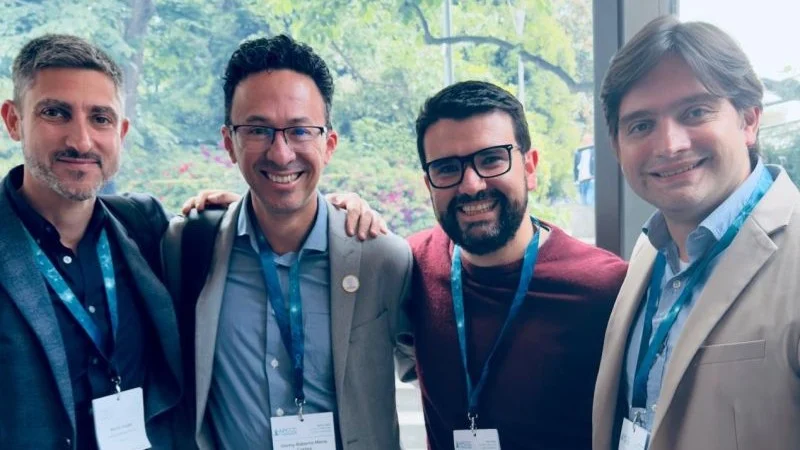
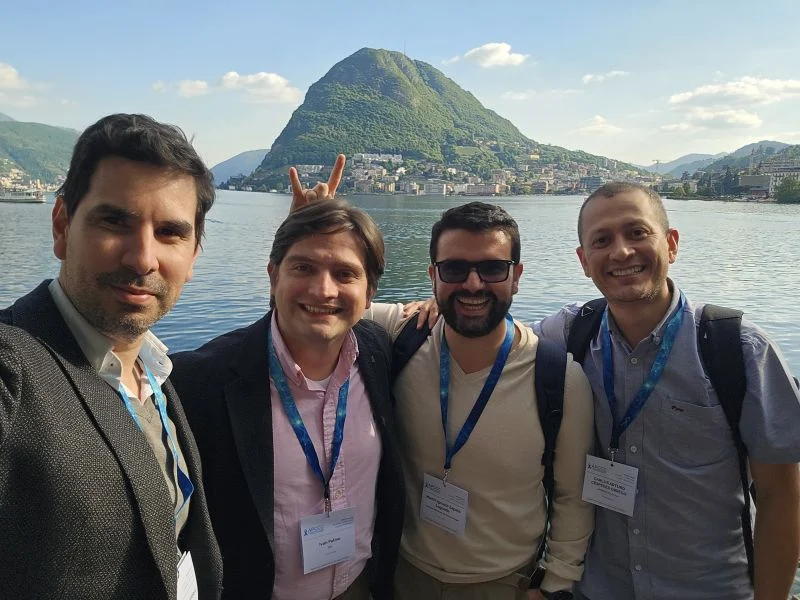
Importantly, it was also inspiring to see the increasingly strong participation of Latin America Uro Terag LATAM, Danny Mena Cortes, and particularly Colombia 🇨🇴 Ray Manneh Kopp, Ivan Patino, Fernando Echeverría, Nicolas Villareal Trujillo, Juan Camilo Garcia Lopez, Sociedad Colombiana de Urología, Acho Hemato Y Onco, Juan Carlos Galvis – in these high-level scientific discussions. The growing presence of specialists, researchers, and academic leaders from our region reflects the continued advancement of oncology, molecular diagnostics, and multidisciplinary cancer care across Latin America.
The challenge ahead is no longer only access to innovation, but learning how to intelligently and ethically integrate these technologies into multidisciplinary clinical care.
Meetings such as APCCC not only help define global standards in advanced prostate cancer, but also strengthen international collaboration and scientific dialogue across specialties.
Special thanks to the outstanding organizers, Silke Gillessen and Aurelius Omlin, that’s the best way to improve prostate cancer.”
Other articles about APCCC on OncoDaily.