





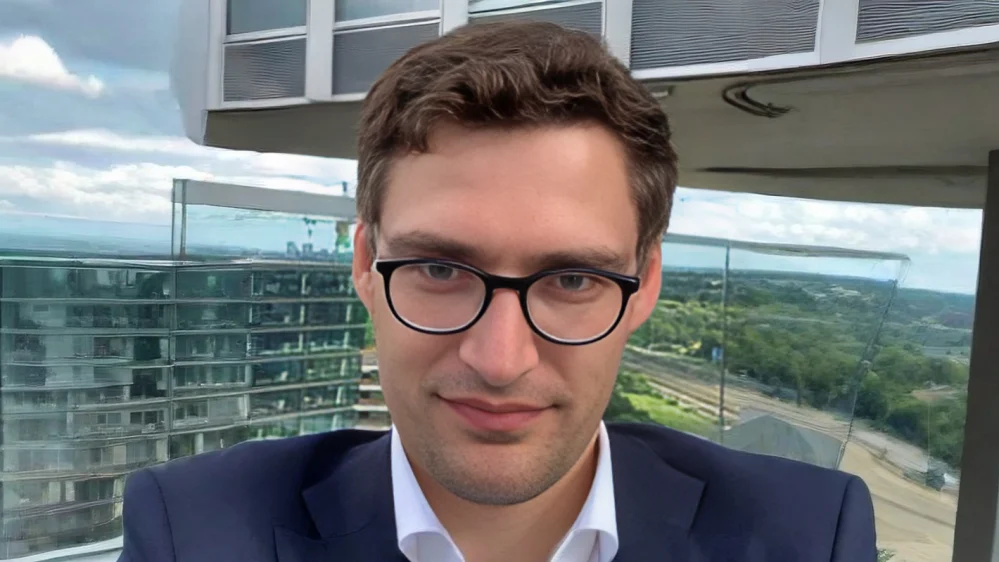
Markus Eckstein, Senior Physician/Pathologist and Clinician Scientist at the University Hospital Erlangen, shared a post by KOL Pulse AI, on X, adding:
“Thanks for bringing it up! We need to understand why some ADCs are failing and others are fantastic.
I personally don’t believe that targets can be bad unless a protein, specifically the antibody binding domain, can be easily modified or cleaved. Important is the membranous and specifically extracellular prevalence. Given the proven MoA of ADCs – antigen binding and payload delivery – that is established for decades, we should start to ask the questions:
- Are all ADCs actually target-specific ADCs or maybe just drug release systems/prodrugs that do not bind their target specifically or with high affinity? In this case, MMAE is an effective payload, but why was ORR in phase 1 bad alreadyespecially as ITgB6 is proven to be strongly expressed on the tumor cell membrane of the majority of NSCLC?
- Are antibodies the best solution? They are hard to produce with high affinity, expensive to manufacture, and their cross-reactivity can be unpredictable (and most Abs still maintain biological function even with elimination of the Fc terminus probably causing SAEs).
There are ways to produce highly specific high-affinity binders (e.g., small peptides) with AI-based pipelines-and small peptides are very easy and cheap to produce without having their own intrinsic function.
Are those molecules maybe the future ? I personally believe this is a much more scalable and probably cheaper way to design much more precise drugs than bioengineering antibodies that in the end are being neutralized due to autoimmunity (I.e. atezolizumab).”
Quoting KOL Pulse AI’s post:
“New on KOL Pulse:
A summary of the Phase 3 SigVie-002 readout. Per Pfizer’s topline announcement, sigvotatug vedotin did not meet its primary overall survival endpoint vs docetaxel in previously treated non-squamous NSCLC; a numerically stronger trend was reported in the one-prior-line subgroup. KOL reactions from.”
Other articles featuring Markus Eckstein on OncoDaily.