Maria Hafez, Assistant Professor at St. Luke’s University Health Network, shared on LinkedIn:
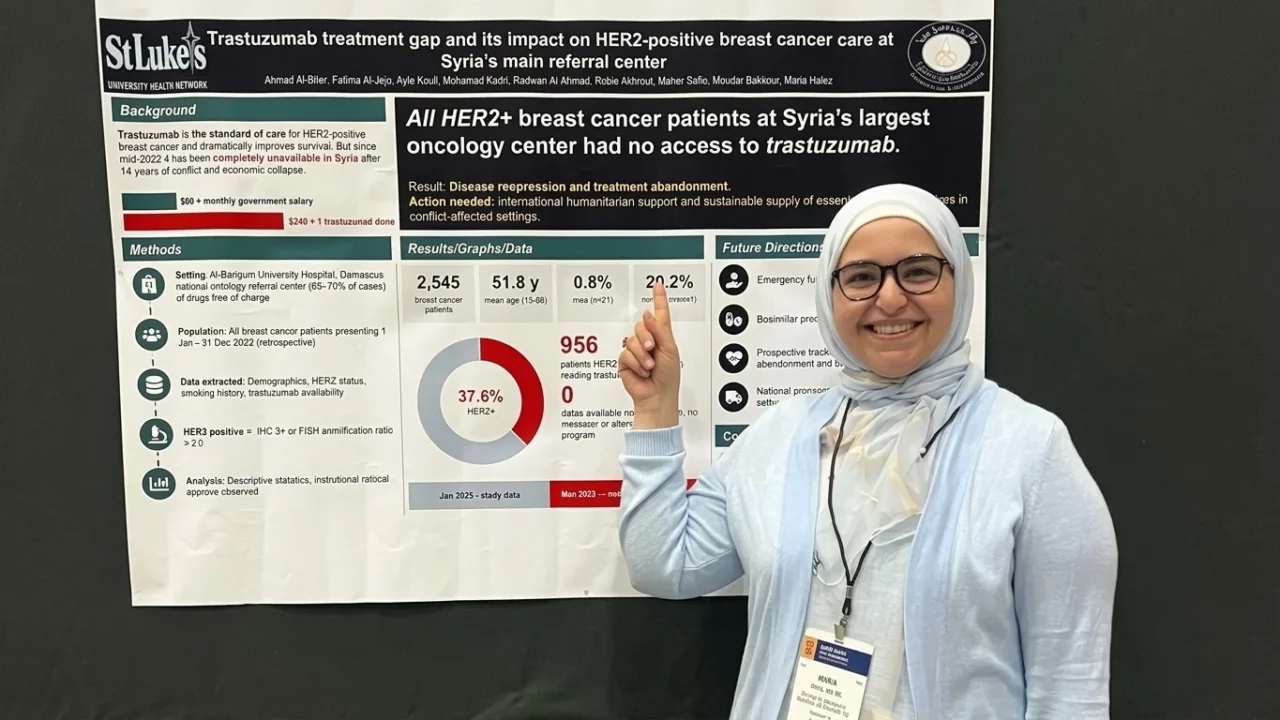
“It was an honor to present our collaborative research at the ASCO Quality Care Symposium 2026, highlighting one of the many challenges facing cancer care in Syria as the country emerges from 14 years of war.
Our work examined the critical gap in access to trastuzumab for patients with HER2-positive breast cancer at Syria’s largest oncology referral center. Among 2,545 patients with breast cancer evaluated in 2025, 956 had HER2-positive disease, yet trastuzumab became completely unavailable in mid-2025.
Behind these numbers are patients, families, and dedicated healthcare professionals striving to deliver quality cancer care despite extraordinary challenges.
I am deeply grateful to all my co-authors and colleagues in Syria for their dedication, resilience, and collaborative efforts. It was truly a privilege to represent their work and bring attention to this important issue on an international platform.
As Syria begins its journey of recovery and rebuilding, ensuring access to essential cancer treatments must be part of that effort. Cancer care should not be another casualty of war.
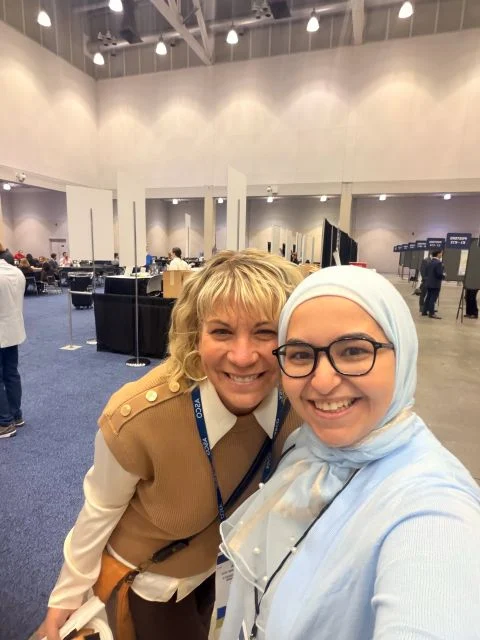
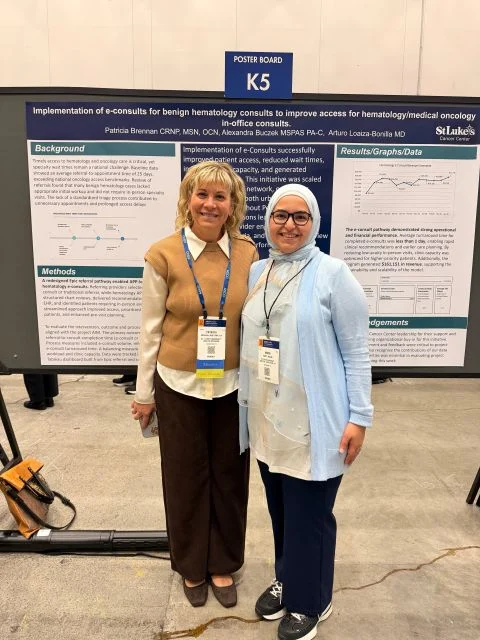
On a happier note, one of the best parts of attending conferences is reconnecting with my wonderful St. Luke’s family outside our busy work environment! Always a joy to see familiar faces, share experiences, and enjoy moments of friendship beyond the hospital.
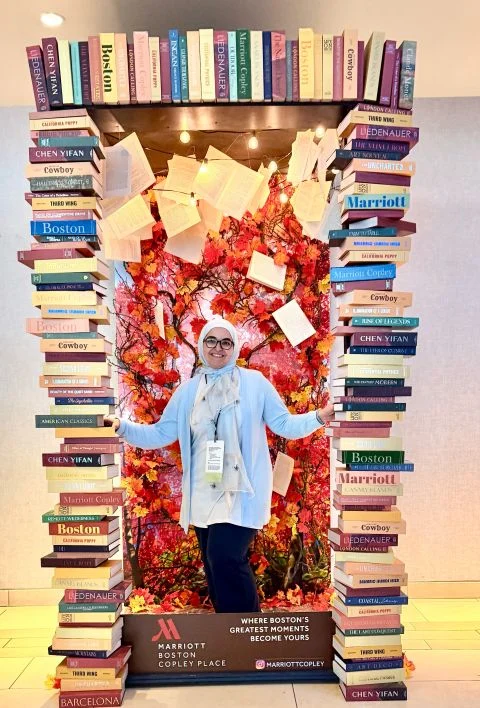
And of course, a little Boston charm between scientific sessions! Because even at an oncology conference, there is always room for books, beautiful moments, and a little fun.
Grateful for the opportunity to combine meaningful advocacy, research, and wonderful connections at this year’s ASCO Quality Care Symposium.”
You can also read:
HER2-Positive Breast Cancer in 2026: The New Goal Is Not More Treatment, but the Right Treatment