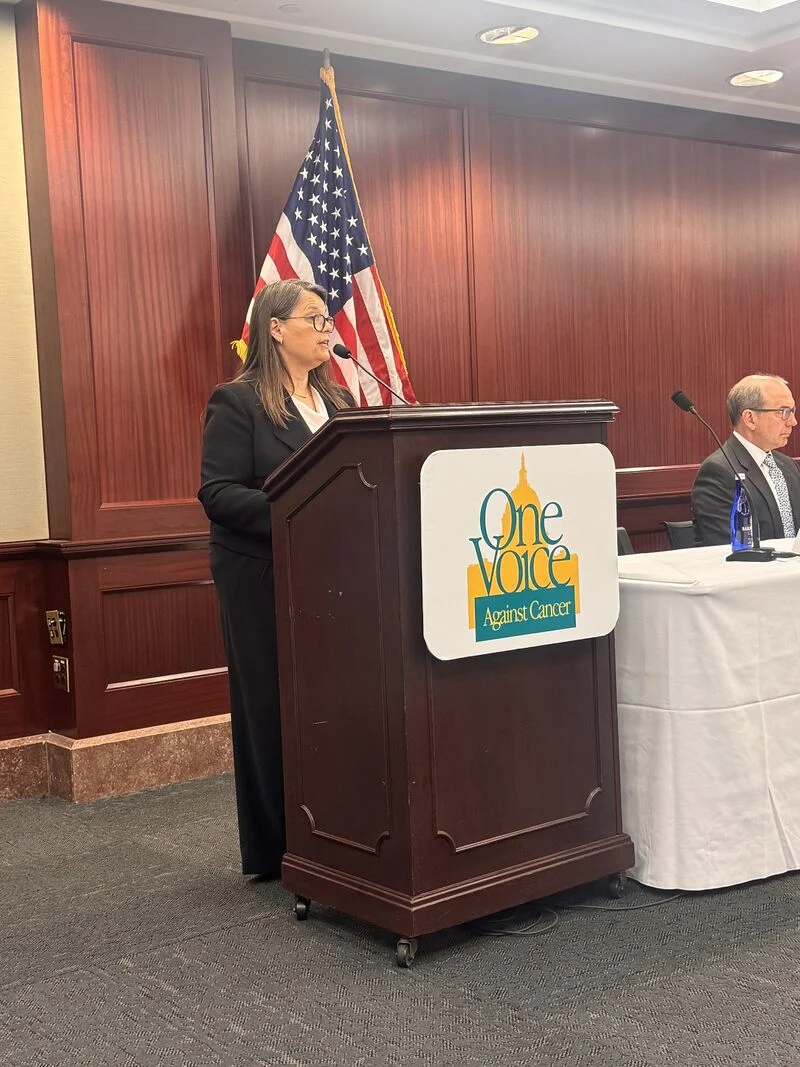
Lisa A. Lacasse, President of the American Cancer Society Cancer Action Network (ACS CAN), shared a post on LinkedIn:
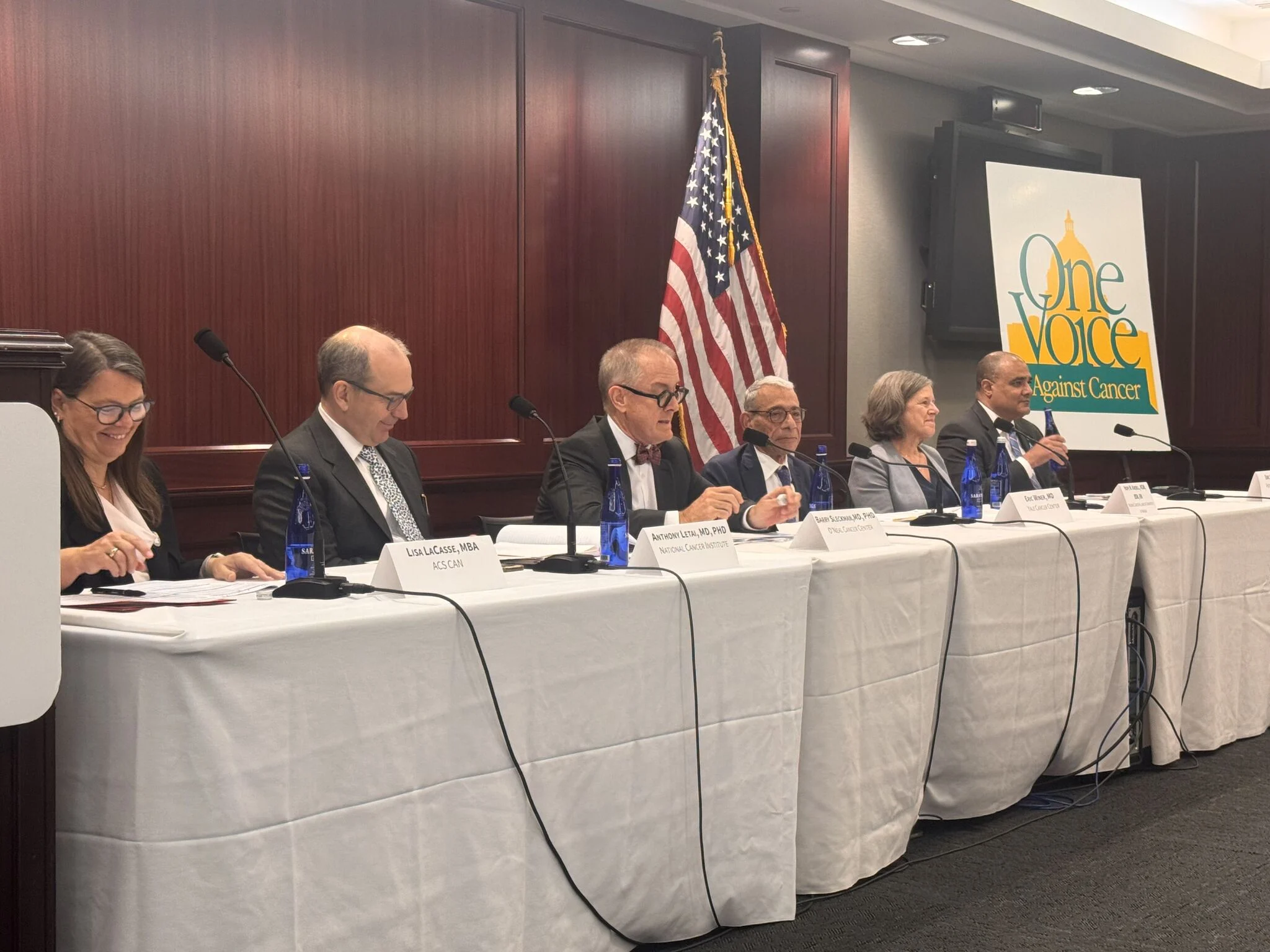
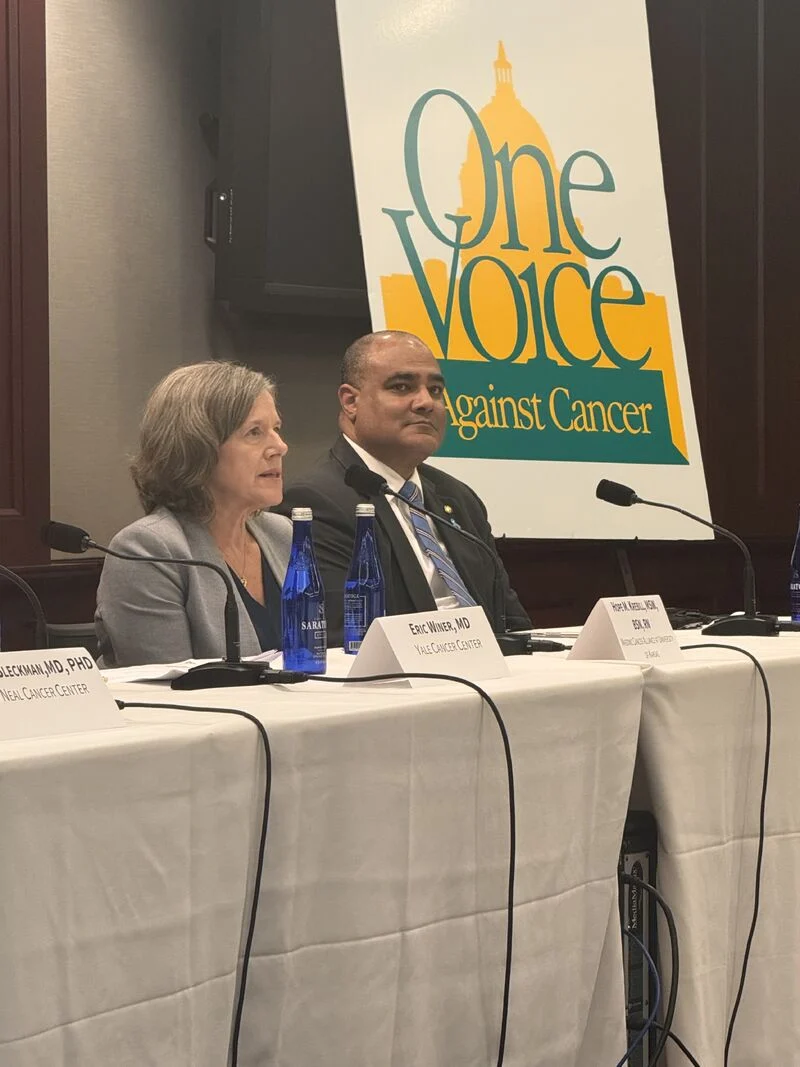
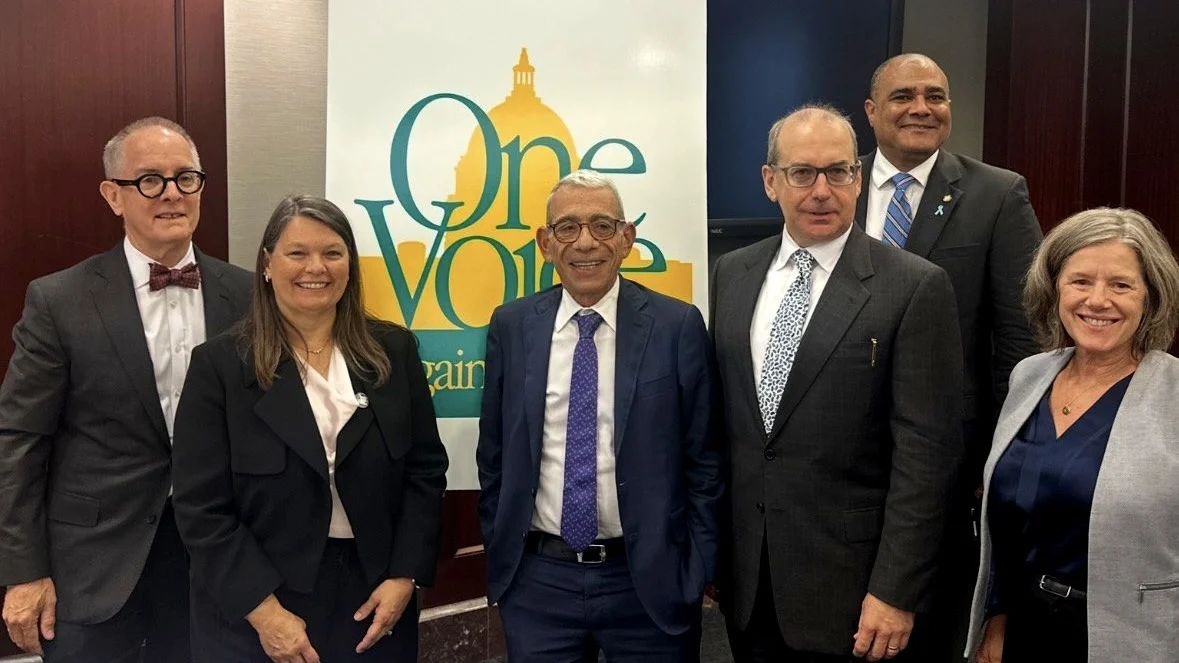
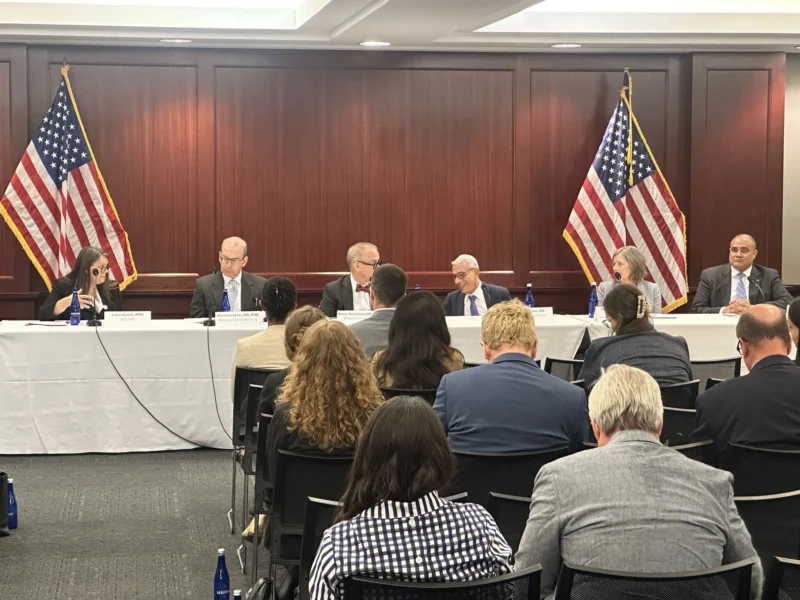
Today, One Voice Against Cancer (OVAC), led by American Cancer Society Cancer Action Network (ACS CAN), convened a bipartisan congressional briefing on Capitol Hill to spotlight the critical role of the National Cancer Institute (NCI) and federally funded cancer research in saving lives, driving innovation, and expanding access to care.
I was honored to moderate a powerful conversation with an extraordinary panel of leaders across the cancer continuum, including Dr. Tony Letai, Director of the National Cancer Institute (NCI); Eric Winer, MD, FASCO, Director of Yale Cancer Center; Dr. Barry Sleckman of the O’Neal Comprehensive Cancer Center at UAB; Hope Krebill, Executive Director of the Masonic Cancer Alliance at the The University of Kansas Cancer Center Center; and Eric Morrow, patient advocate and cancer survivor.
Together, we explored what it will take to accelerate progress against cancer and why sustained federal investment is critical to getting there.
Thanks to decades of bipartisan support, cancer mortality in the United States has declined 33 percent since 1991, averting an estimated 4.1 million deaths. These gains are directly tied to investments in NIH and NCI that have fueled breakthroughs in prevention, early detection, and treatment, including precision medicine that is transforming outcomes for patients.
However, there is still more work to be done to accelerate cures. With 2.1 million new cancer diagnoses and more than 626,000 deaths projected in 2026, the burden of cancer remains immense and is evolving. As discussed today, too many promising ideas in the fight against cancer never move forward. Nearly 7 in 8 meritorious research proposals go unfunded, slowing the pace of discovery
We also examined the urgency of addressing disparities in access to care. Programs like the NCI Community Oncology Research Program (NCORP) are expanding clinical trial access in rural and underserved communities, but more must be done to ensure that where someone lives does not determine cancer outcomes.
We also heard directly from the patient perspective. Eric Morrow’s story underscored that research is critical to survival. It gives patients more time and more options.
We are grateful to the bipartisan champions in Congress like House Chairman Robert Aderholt and Ranking Member Robert Aderholt (congressional sponsors of the event) and the dedicated advocates who continue to push this work forward.
Now is the moment to build on decades of progress by increasing funding for NIH, NCI, ARPA-H, and CDC cancer programs, expanding access to clinical trials in every community, and strengthening the research pipeline to drive the next generation of breakthroughs.
Together, we can accelerate innovation, close cancer health equity gaps, and move closer to ending cancer as we know it, for everyone.”
Other articles about OVAC on OncoDaily.