





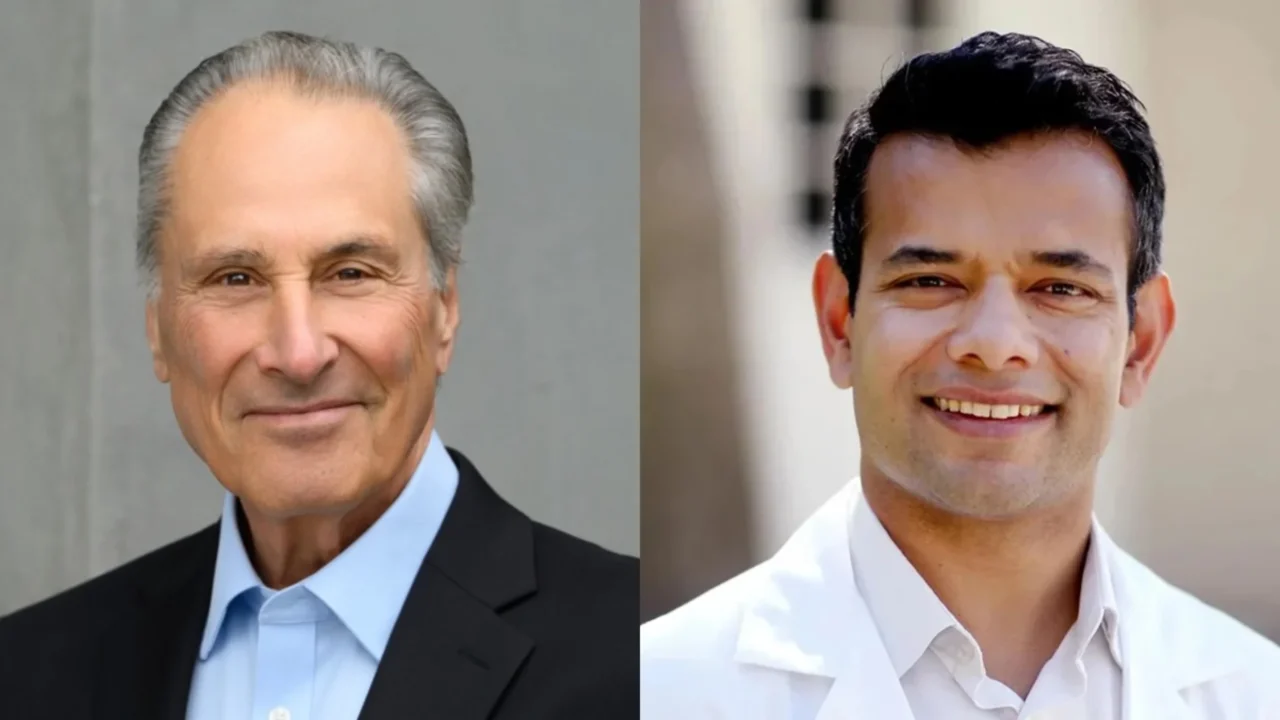
Les Biller, Founding Director at The Sheri and Les Biller Family Foundation, shared a post on LinkedIn:
“By Les Biller and Sumanta Pal,
Father’s Day is a moment to celebrate the men who have shaped our lives—fathers, grandfathers, brothers and mentors. It is a day rooted in gratitude, legacy and love. But for too many families, it is also a reminder of something missing: time. Thankfully, major progress is being made across a variety of male-dominated cancers, including prostate, bladder and kidney cancer But as new therapies extend life, they also introduce practical burdens: Patients living years or decades after a cancer diagnosis can face significant health, financial, emotional, and other challenges, and are often at increased risk of developing cancer again later in life.
How can we better meet the needs of people navigating a cancer journey? The answer is Supportive Cancer Care. It is an approach to care that goes beyond traditional clinical treatment like chemotherapy, radiation, immunotherapy and surgery. It helps patients manage side effects, navigate their care and address financial and social challenges.
At City of Hope, one of the country’s leading cancer centers, this support is delivered through a coordinated approach that brings together medical, mental health and support services so patients don’t have to face these challenges alone. How that support looks differs from person to person, based on their unique diagnosis and needs, but the goal is the same: no patient has to face these challenges alone. Research shows that when people have access to this kind of support, it improves outcomes and quality of life, reduces preventable hospitalizations and complications and can lower overall health care costs. Yet despite these benefits, only 15% of people living with cancer utilize these services. In many communities, access is limited. Even where services do exist, patients may not know to ask for them or worry about whether they are affordable or covered by insurance.
Supportive Cancer Care meets patients where they are. That means building trust within communities, especially those that have long been underserved or marginalized by the healthcare system. It means recognizing that caregiving in families often extends beyond the nuclear unit, involving houses of worship, extended relatives, and community networks. And it means providing resources that reflect lived experiences—whether through treatment navigation, mental health support, nutrition counseling, or survivorship planning.
We must also confront the structural factors that shape outcomes long before a diagnosis. Social determinants of health—housing, employment, transportation, and access to insurance—play a critical role in whether someone receives timely and consistent care. Supportive Cancer Care cannot exist in a vacuum; it must be integrated with broader efforts to close equity gaps across the healthcare continuum.
Encouragingly, there are models that show what’s possible. Community-based outreach programs that partner with local communities and faith organizations are helping to normalize conversations about screening and early detection. Patient navigation initiatives are reducing barriers by guiding individuals through complex care pathways. Clinical trials are increasingly prioritizing representativeness, ensuring that new treatments reflect the populations most affected.
This Father’s Day, let us honor the strength and resilience of men not by expecting them to carry burdens alone, but by building systems that support them fully. Let us ensure that a cancer diagnosis does not cut short the stories still being written—the graduations yet to attend, the advice yet to give, the memories yet to make.
Supportive care services is not a luxury; it is a necessity. By expanding access to it, we don’t just extend lives—we strengthen families, preserve legacies, and honor the very essence of fatherhood.
Because every father deserves more time.”

More posts about Les Biller.