






Korede Akindele, Chair of Young SIOP Network, Chief Operating Officer at The Dorcas Cancer Foundation, shared a post on LinkedIn:
“Reflecting on political economy through the lens of global child health brings a stark truth into focus for me during my study today: children, especially those battling cancer, are shaped by political and economic forces far beyond their control.
Scientific progress has transformed what is possible in childhood cancer care. We now know that a cure is attainable. Yet for far too many children across low- and middle-income countries, this possibility remains painfully out of reach.
The greatest threat to children with cancer is not just the biology of the disease, but the inequity that governs access to diagnosis, treatment, and survival. This inequity reveals itself in late-stage presentation, treatment abandonment, preventable deaths, and the absence of psychosocial and palliative services that every child deserves.
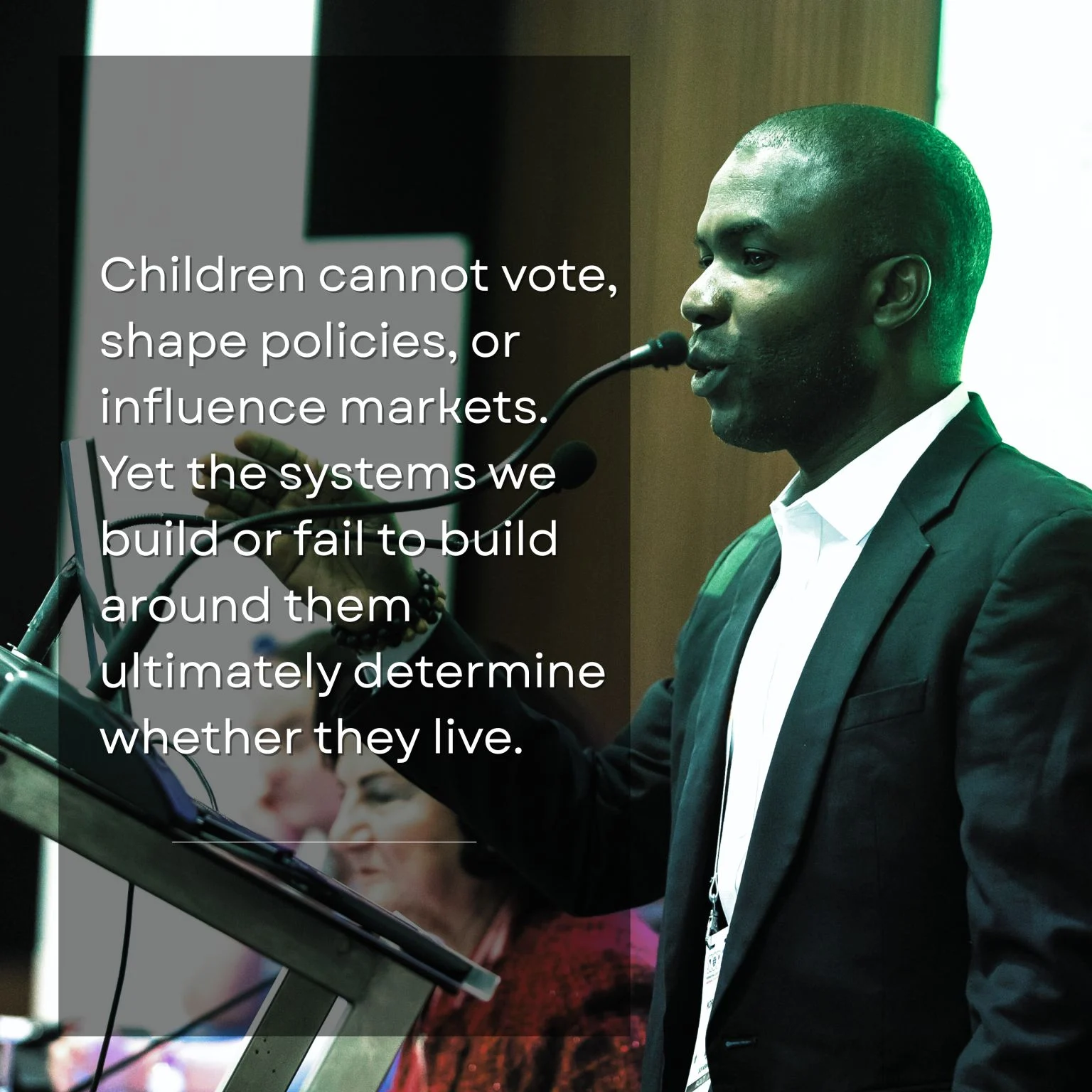
Children cannot vote, shape policies, or influence markets. Yet the systems we build or fail to build around them ultimately determine whether they live. That is why childhood cancer, like many other childhood illnesses, demands bold, coordinated advocacy that works alongside medicine.
Advocacy strengthens health systems, accelerates early diagnosis, improves treatment pathways, and confronts the structural barriers that science alone cannot overcome. Without it, even the most potent medical advances struggle to reach the children who need them most.
For me, elevating childhood cancer in national and global conversations, strengthening partnerships, and pushing for equitable systems is more than professional work; it is a calling.
We must continue to ensure that commitments are not just stated, but transformed into practical and local solutions that reach every child, regardless of their status or location.”
More posts featuring Korede Akindele on OncoDaily.