Ministry of Health & Population – Egypt shared a post on LinkedIn:
“On the sidelines of the World Economic Forum.
Deputy Prime Minister and Minister of Health Participates in a Discussion Session on Sustainable Investment in Breast Cancer Care
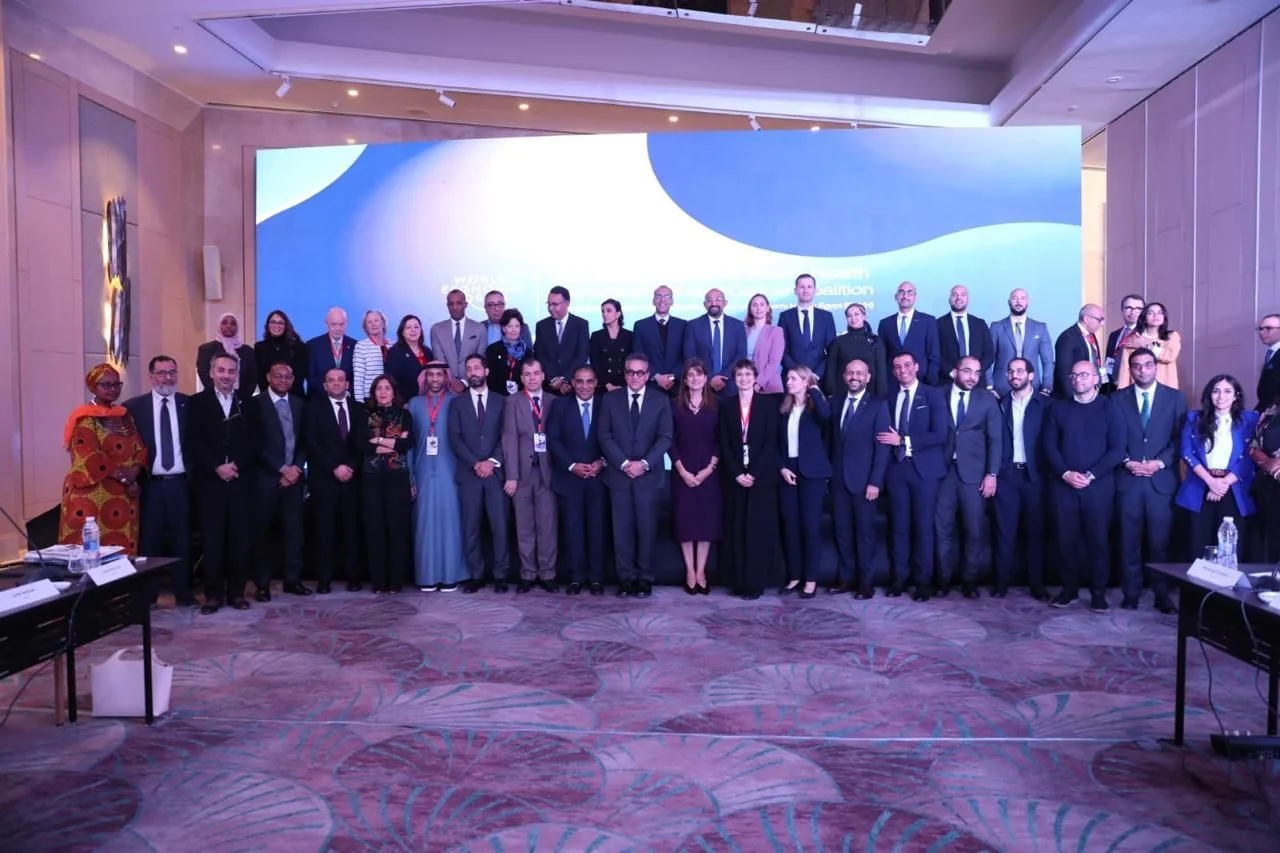
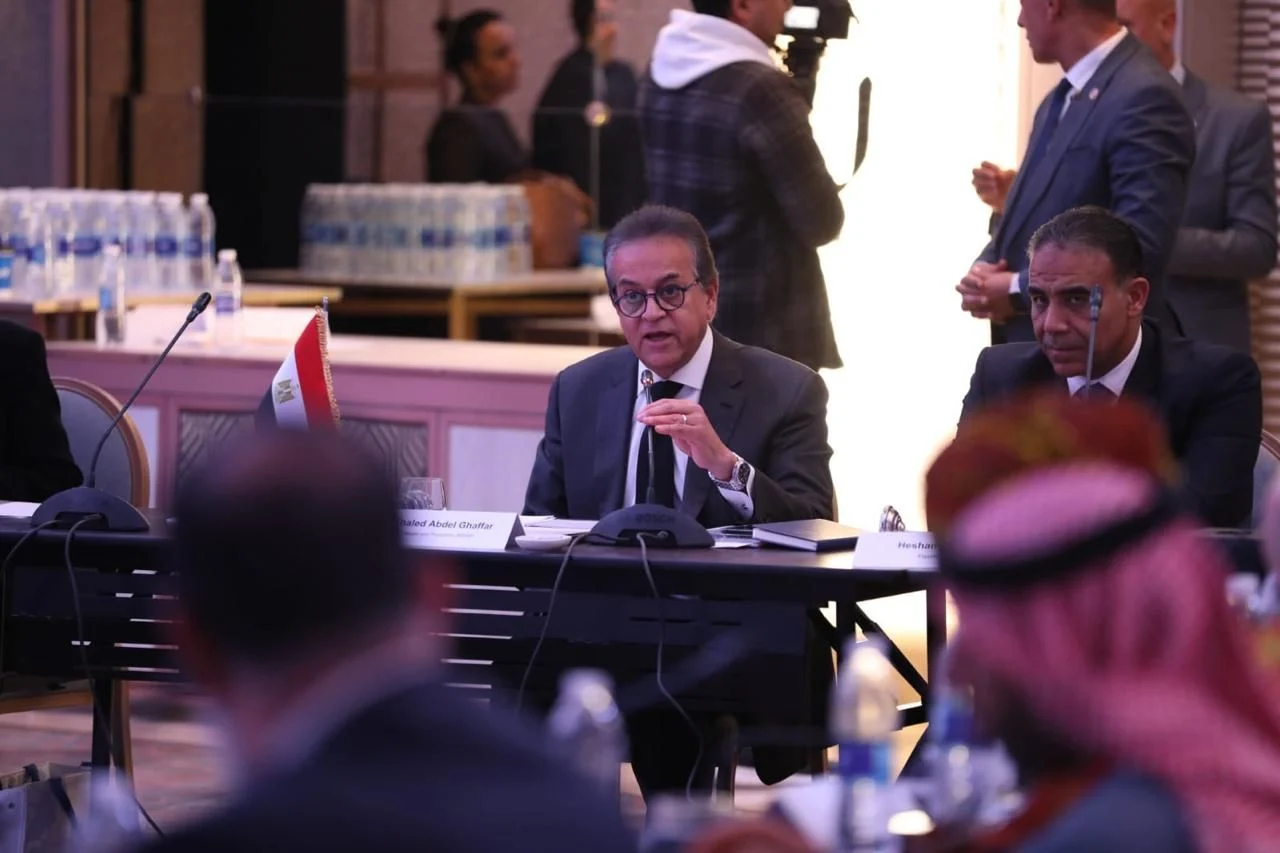
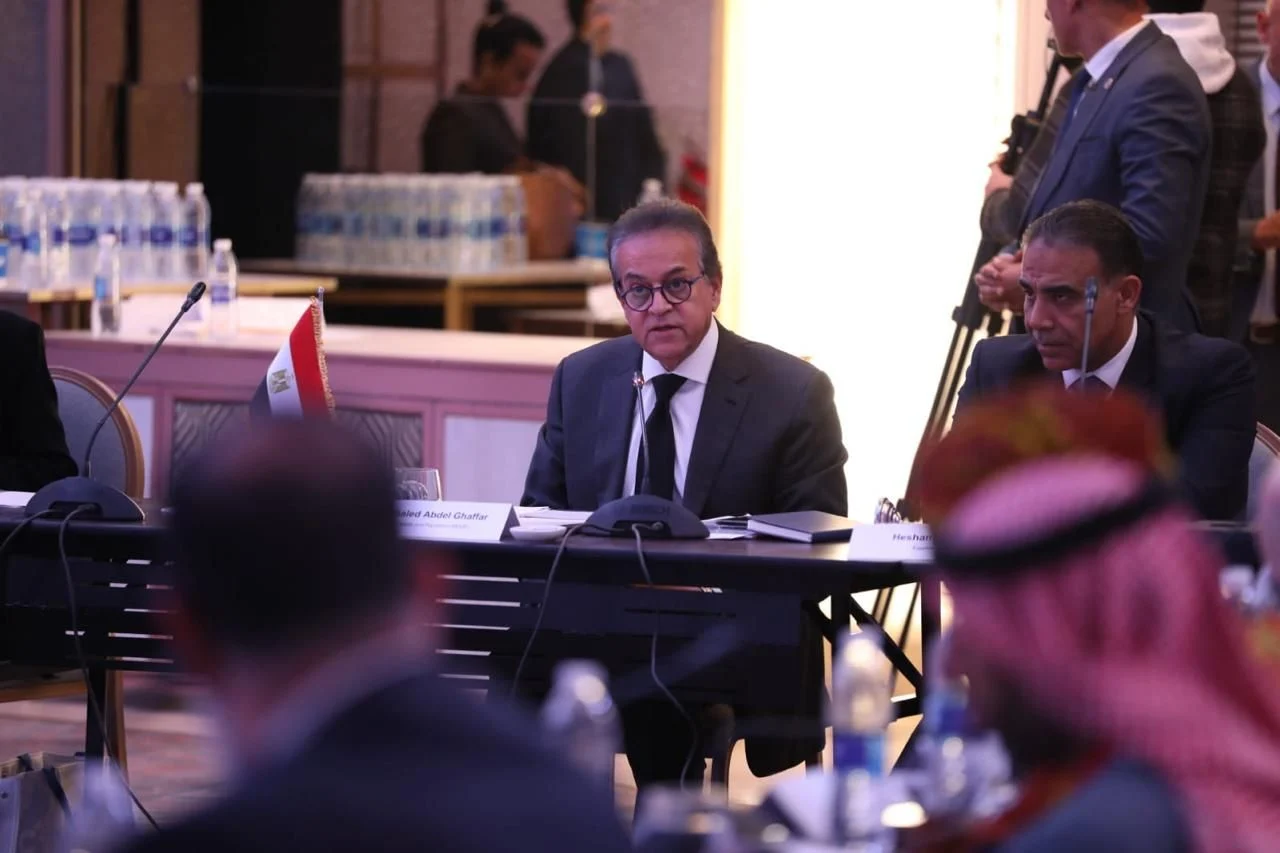
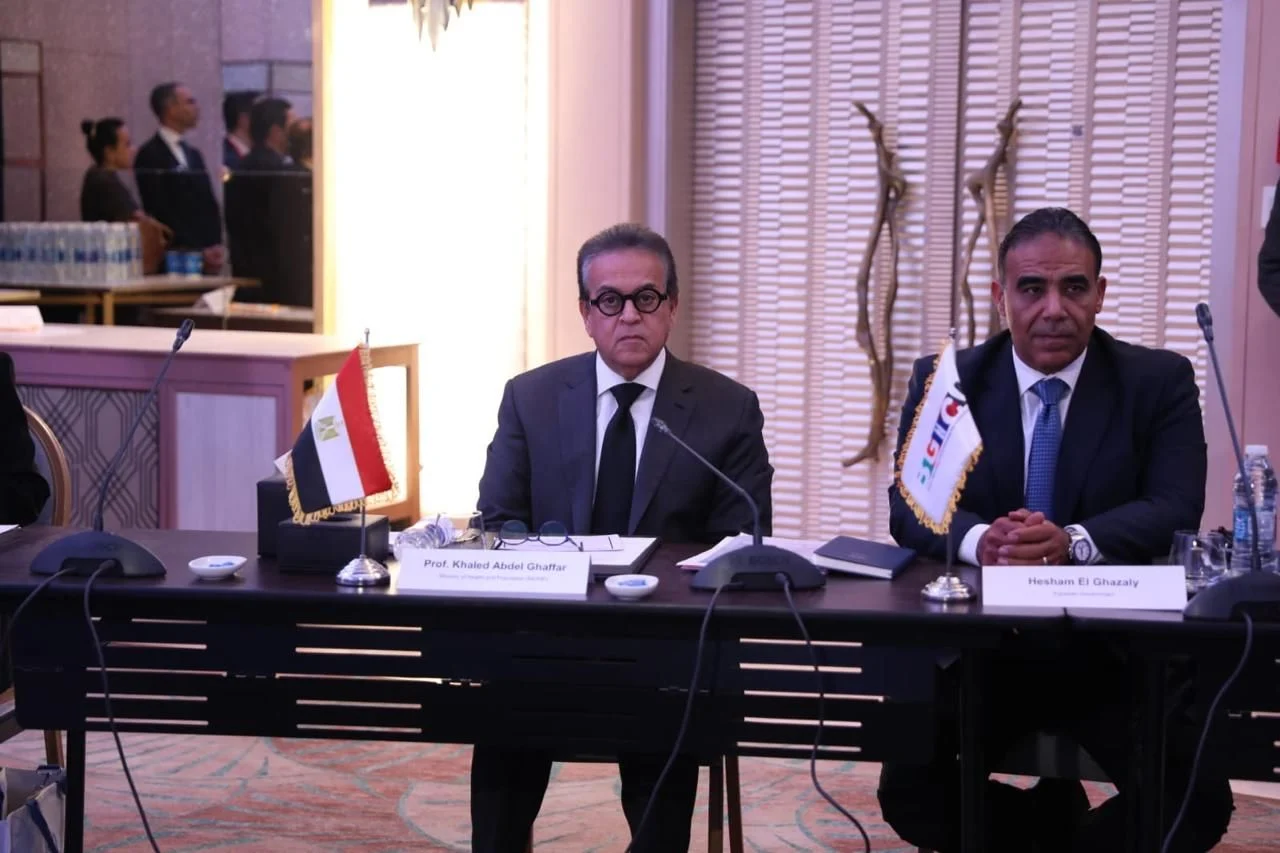
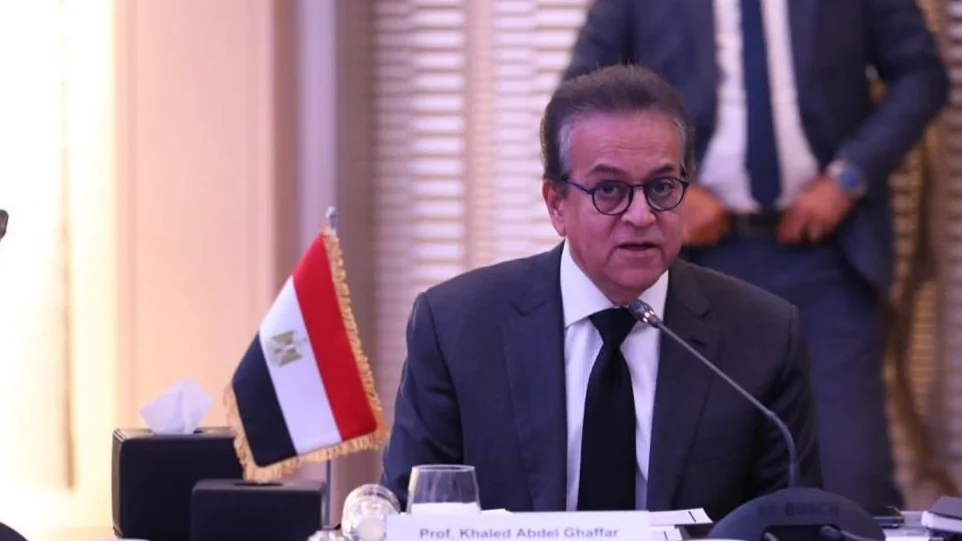
Dr. Khaled Abdel Ghaffar, Deputy Prime Minister and Minister of Health and Population, participated in a panel discussion entitled “Unlocking Sustainable Investment in Breast Cancer Care for Egyptian Women as a Leading Model for Low- and Middle-Income Countries”, hosted by the Global Alliance for Women’s Health and the Cervical and Breast Cancer Coalition, on the sidelines of the World Economic Forum, in cooperation with the Presidential Initiative for Women’s Health, and in the presence of international officials and global partners.
The Minister expressed his pride in hosting this international event in Cairo, stressing that women’s health is not just a medical program, but a key pillar of national security and the economic strength of the state. He explained that Egypt has moved from a traditional model of care to a proactive investment approach, which places women’s health at the heart of development priorities as an engine of productivity and building the future.
He reviewed the Egyptian experience as a leading model for low- and middle-income countries, based on a vast database and strong political will, as the state has established an integrated system that includes 3700 primary health care units and 102 advanced diagnostic centers, in addition to clinics, mobile units, and advanced imaging devices (mammograms, CT scans, MRI) to reach remote areas.
He pointed out that the Presidential Initiative for Women’s Health provided more than 66.7 million medical visits, benefiting more than 23 million women for the first time, with about 491,000 imaging examinations conducted, all of which are free services that include diagnosis and treatment without any financial obstacle.
He pointed out that the system has succeeded in ensuring that the diagnostic path is completed within a few weeks, and that the rates of detection of breast cancer in the late stages have decreased to levels that are in line with the best international standards.
He stressed that the future action is based on three main axes: proving the economic feasibility of investing in health as a national priority, maximizing innovation through international academic partnerships and localizing the latest protocols, and supporting digital transformation by expanding the national digital pathology network to ensure equitable access to high-quality diagnostic services in all governorates.
Dr. Abdel Ghaffar concluded his speech by calling on international partners to contribute to the promotion of this pioneering model, stressing that the availability of political will and multi-sectoral cooperation can reduce the equity gap in cancer care, and guide the Egyptian experience towards a healthier and more prosperous future for women in Egypt and the world.”