Katy Beckermann, Medical Director of GU Clinical Research at Tennessee Oncology, shared a post on X:
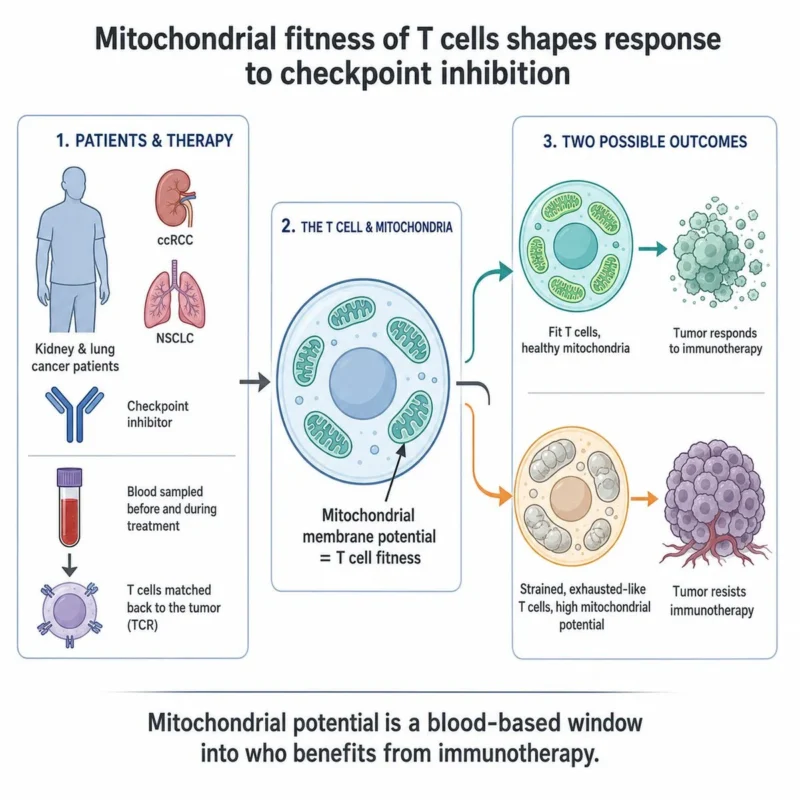
“Why do some patients respond to checkpoint inhibitors and others don’t? Our new paper in The Journal of Immunology points to an unexpected place to look: the mitochondrial state of a patient’s own T cells.
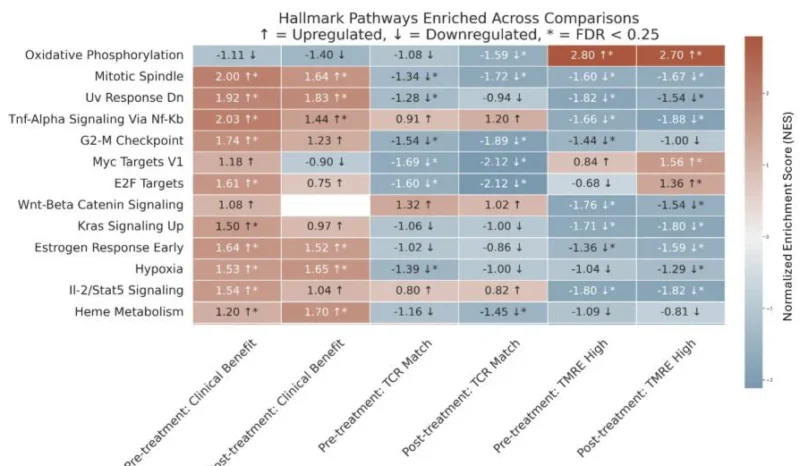
We followed T cells in kidney (ccRCC) and lung (NSCLC) cancer patients before and 3 weeks into ICI therapy, sorting them by mitochondrial membrane potential (MMP) with TMRE. The twist: high MMP is not always a good thing.
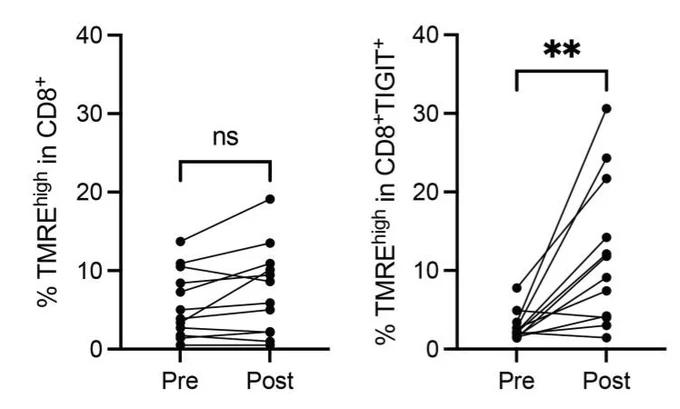
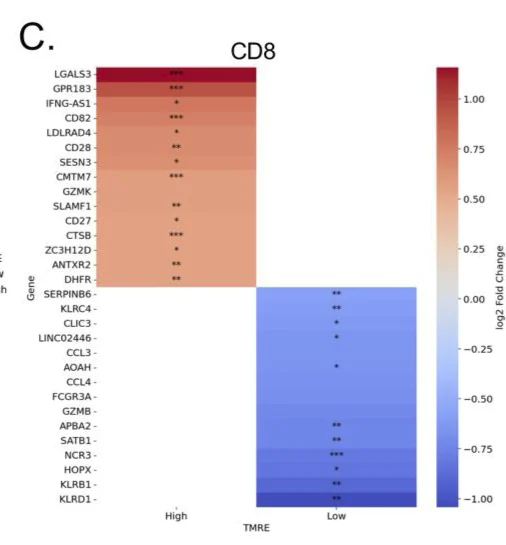
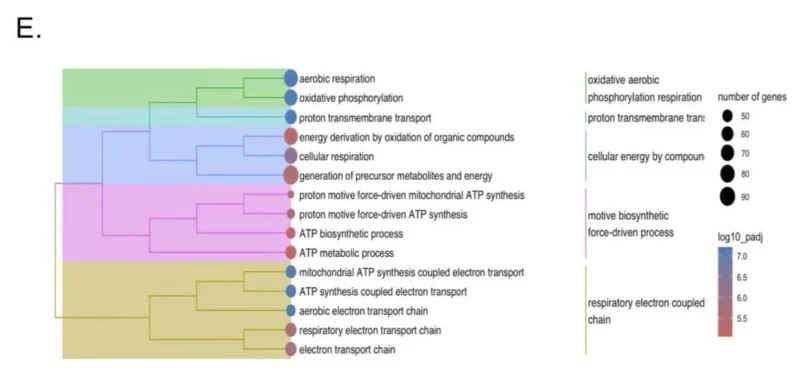
TMRE-high CD8 T cells were locked into oxidative phosphorylation and carried stress and exhaustion programs (TIGIT, CMC1). TMRE-low cells looked fitter, with survival and stemness signatures. One marker, two very different fates.
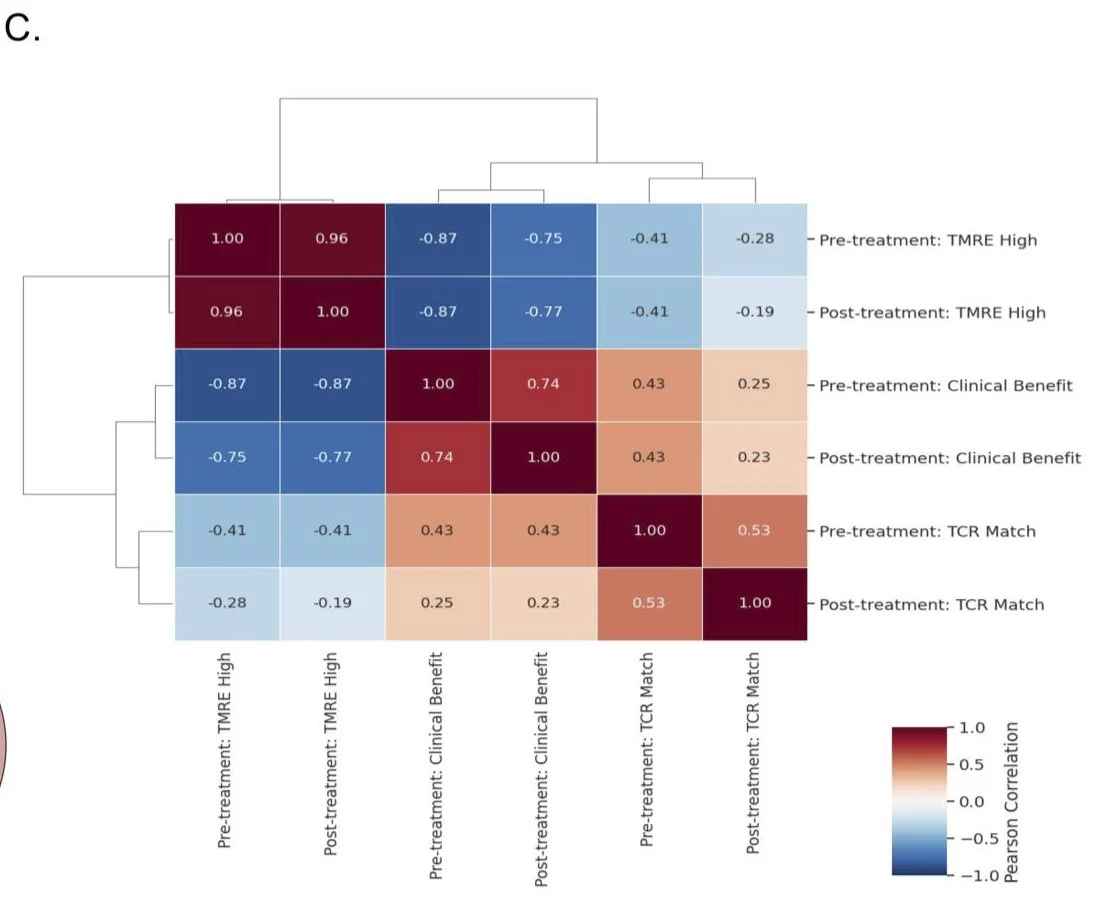
The key finding: among blood T cells sharing TCRs with the tumor, a high TMRE-high CD8 signature tracked with worse response to immunotherapy. A potential blood-based readout of T cell fitness.
Bottom line: mitochondrial potential reflects T cell fitness and may help explain who benefits from ICIs.
Gratitude to first author Paul Lindau, Jonathan Irish, and the whole team, and to my mentors Jeff Rathmell and Kimryn Rathmell.”
Title: Abstract A001: Mitochondrial potential as a biomarker of T cell fitness and function in cancer immunotherapy
Authors: Katy Beckermann, Paul Lindau, Alex Nesta, Caroline Roe, Anupama Reddy, Kimryn Rathmell, Jonathan Irish, Jeffrey Rathmell
Read the Full Article.
Other articles featuring Katy Beckermann on OncoDaily.