





Katy Beckermann, Medical Director of GU Clinical Research at Tennessee Oncology, shared a post on X:
“This week, patients with kidney and prostate cancer came into my clinic asking about a drug approved only for bladder cancer. Just: ՛I heard it cures cancer.՛ Tried to understand what they were hearing to put their questions into context.
Anktiva (IL-15 superagonist) received FDA approval for BCG-unresponsive NMIBC with CIS, intravesically with BCG There is no current: RCC data. No prostate cancer data. No systemic delivery. The FDA issued a Warning Letter to ImmunityBio this spring for DTC advertising including a panel/podcast that to many patients interpreted it treats cancer broadly.
This is a reminder that when physicians speak publicly on podcasts, social media, at patient events our words carry clinical authority and we must be clear even if we are excited.
- Mechanism is not efficacy
- Phase I signal is not a treatment
- Vision for a pipeline is not a label
Patients hear what we say through the lens of hope.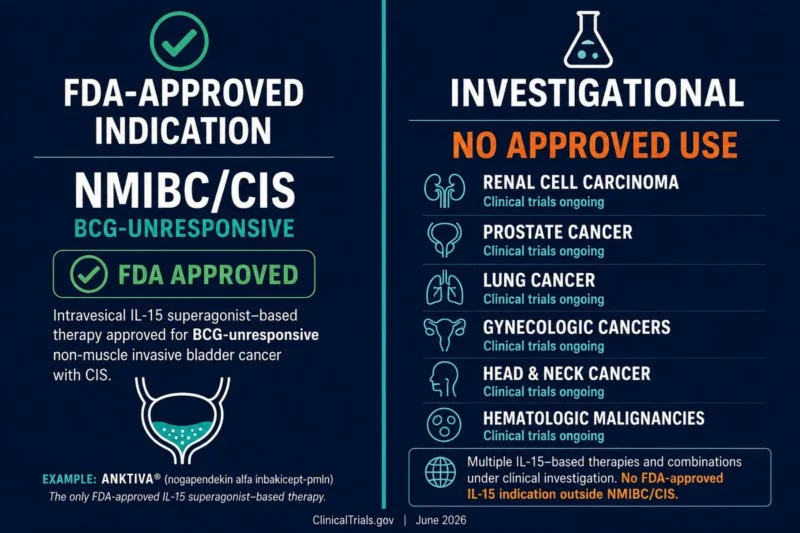
When a patient asks about a drug they saw advertised, we have to approach with curiosity and not dismissal. Then try to explain what is approved, for whom, and why. What is investigational and at what stage. What the evidence actually shows vs. what was implied.
IL-15 biology is genuinely compelling. But compelling science and ready-for-treatment are not the same sentence.
Anchor hope in evidence.”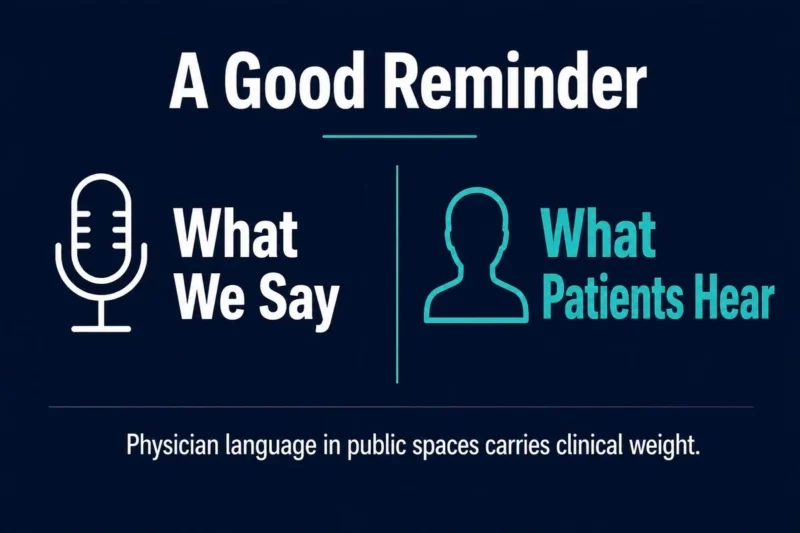
Other articles featuring Katy Beckermann on OncoDaily.