





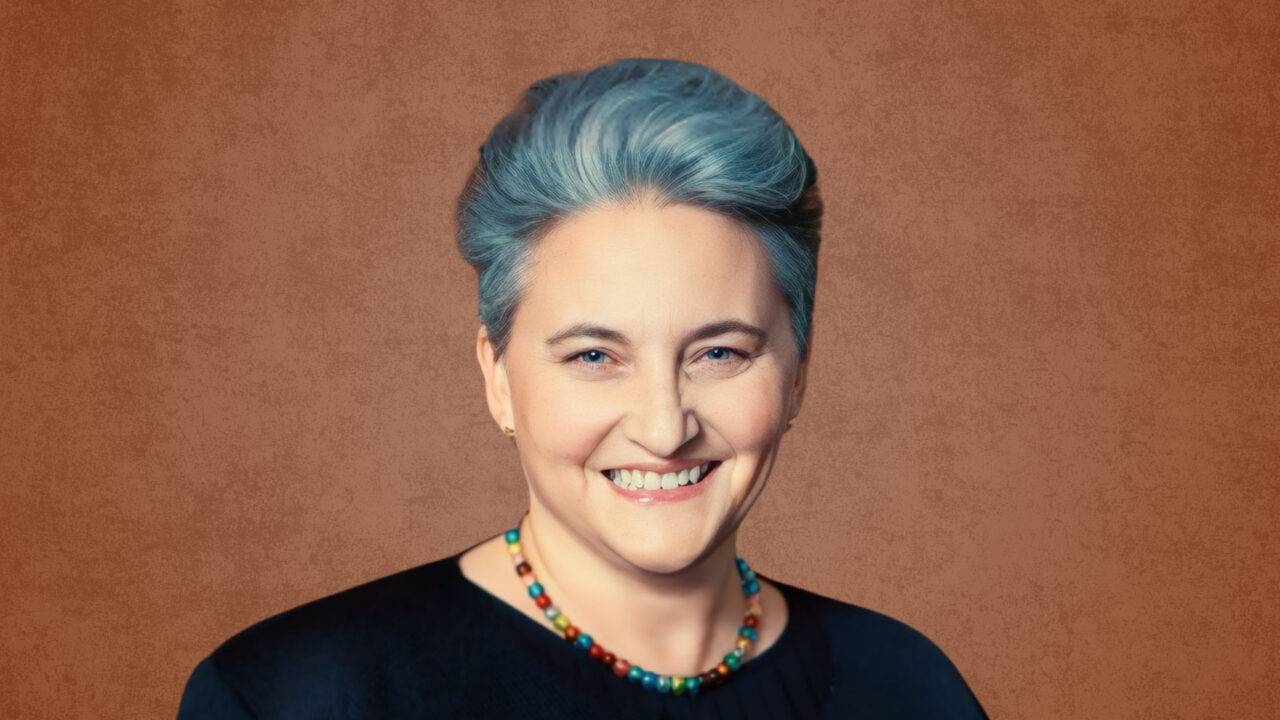
Julie S. Torode, Director of Strategic Partnerships, Patient and Community Engagement, Institute of Cancer Policy at King’s College London, shared a post on LinkedIn:
“I serve on the boards of several cancer prevention and control non-profits, and recently a CEO asked me what I consider a reasonable tenure. When you look at the data for small and medium-sized NGOs, average CEO tenure was around six years pre-COVID, with more recent trends pointing to faster turnover.
We talked about the ‘5–7 Year Rule’ — the idea that what hasn’t been achieved in the first five years is unlikely to be achieved by year seven.
For many leaders, that makes the 5–7 year mark a natural point to consider transition after delivering core goals. While some CEOs stay longer, a 5–10 year tenure, with succession planning starting at least two years out, is often recommended to prevent stagnation, enable strategic renewal, and bring in fresh perspectives.
But here’s the real question: does this logic still hold for small, founder-led non-profits serving communities and patients — where continuity, trust, and lived experience matter deeply?
Curious to hear how others are thinking about Nonprofit Leadership and CEO tenure, succession, and renewal in founder-led or mission-critical organisations.”
More posts featuring Julie S. Torode.