





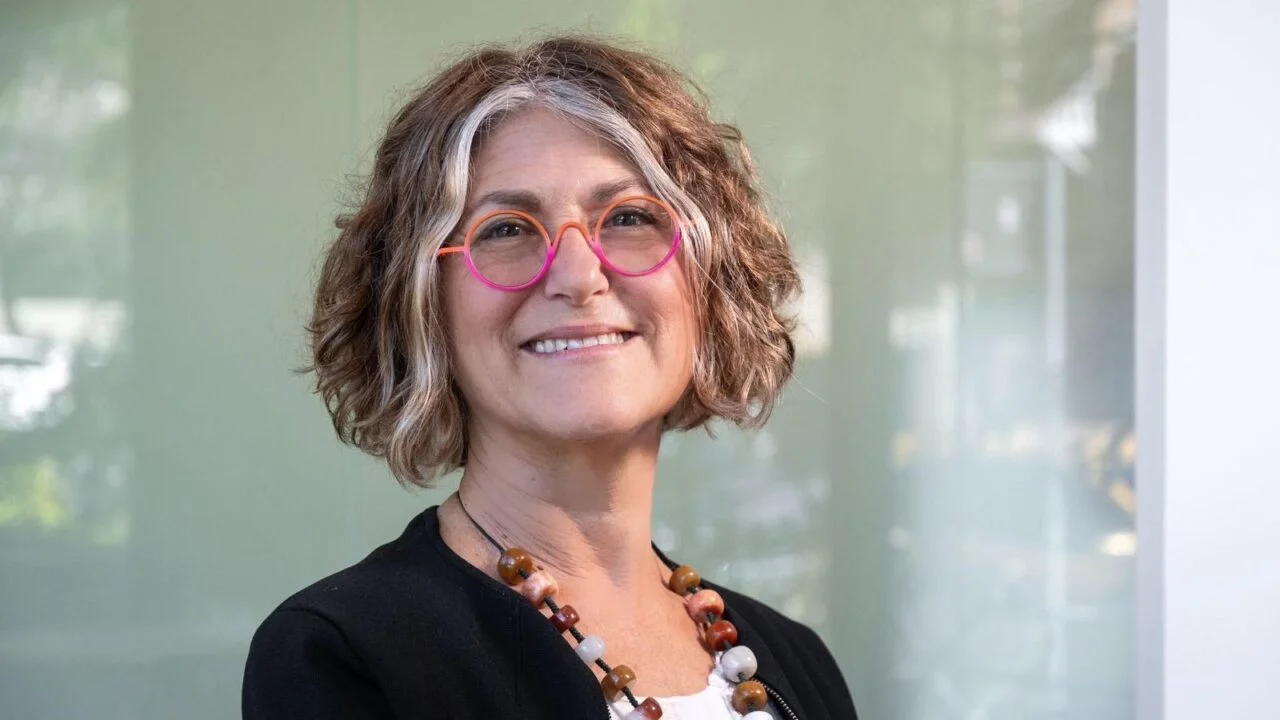
Judith Lacey, Head of Supportive Care and Integrative Oncology at Chris O’Brien Lifehouse, shared a post by Suzanne Grant, Senior Research Fellow at Western Sydney University, adding:
““If we’re serious about evidence-based, patient-centred supportive care in cancer, supplements can’t stay in the “too hard” basket.” Dr Suzanne Grant, PhD .
Thanks Carolyn Ee and team for an important paper contributing significantly to identifying gaps and updating on the literature regarding benefits, safety and quality of evidence fo use of supplements and more in supportive cancer care.”
Quoting Suzanne Grant‘s post:
“Sharing our newly published paper in Integrative Cancer Therapies looking at what we actually know about nutritional supplements in cancer supportive care.
Includes the best available evidence from 52 reviews (250 RCTs) covering 18 supplements and 16 treatment-related side effects. The short version?
- A small number of supplements show promising benefits for specific symptoms (like radiation dermatitis and chemotherapy-induced neuropathy),
- but for most, the evidence remains weak or uncertain, despite how commonly these products are used.
- Safety is generally reassuring, though dose and interactions matter.
And the bigger question this raises: will we ever have real certainty?
Given the size of the nutraceuticals market and the very high use of supplements by people with cancer, we really need to fund the research properly. People are already using these products every day — often alongside active treatment — yet we still lack clarity on what helps, what harms, and at what cost.
If we’re serious about evidence-based, patient-centred supportive care in cancer, supplements can’t stay in the “too hard” basket.”
More from Judith Lacey on OncoDaily.