






Journal of Cancer Survivorship shared a post on LinkedIn:
“New Global Study Sheds Light on the Lived Experience of Colorectal Cancer Patients
A new international qualitative study explores what patients with non‑metastatic (NM‑CRC) and metastatic colorectal cancer (M‑CRC) truly experience throughout diagnosis, treatment, and daily life.
Through in-depth interviews with clinicians and 40 patients across the US, UK, Germany, and Japan, researchers uncovered the most common – and most disruptive – symptoms and impacts of CRC.
Key Findings
Most frequently reported symptoms include:
- Fatigue/tiredness
- Blood in stool & rectal bleeding
- Diarrhea, constipation, bloating
- Abdominal pain and cramping
Many symptoms were linked not only to the disease but to treatments like surgery, chemotherapy, and having a stoma:
- Fatigue
- Skin problems
- Nausea
- Hair loss
- Numbness/tingling (neuropathy)
Daily life impacts were significant, affecting:
- Physical abilities
- Social life & relationships
- Emotional well-being
- Finances
- Overall quality of life
Researchers used these insights to build a conceptual model capturing the full symptom + impact landscape of CRC as patients actually experience it.
What Stood Out?
While some differences emerged between NM‑CRC and M‑CRC patients, fatigue, bowel issues, and abdominal pain were consistently among the most burdensome symptoms across the entire cohort.
Implications for Survivors and Care Teams
Understanding which symptoms and treatment side effects matter most to patients is essential to:
- Improve supportive care programs
- Refine treatment approaches
- Enhance quality of life for CRC survivors
By centering patient experience, clinicians and researchers can better support those living through – and beyond – colorectal cancer.”
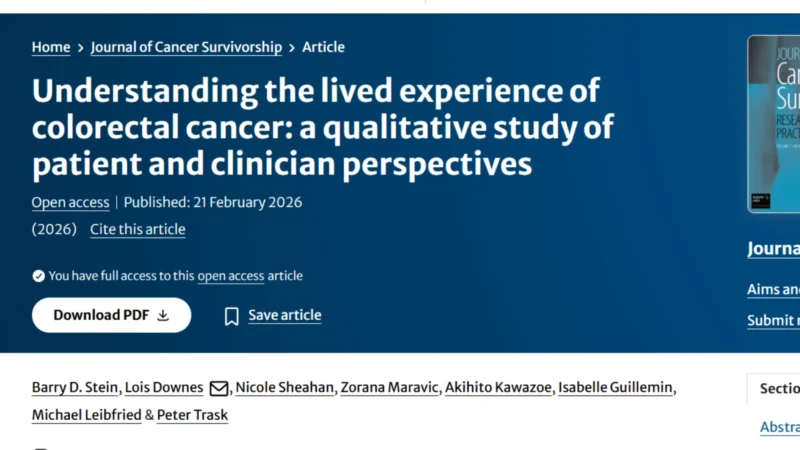
Title: Understanding the lived experience of colorectal cancer: a qualitative study of patient and clinician perspectives
Authors: Barry D. Stein, Lois Downes, Nicole Sheahan, Zorana Maravic, Akihito Kawazoe, Isabelle Guillemin, Michael Leibfried, Peter Trask
Read the Full Article.
Other articles from Journal of Cancer Survivorship.