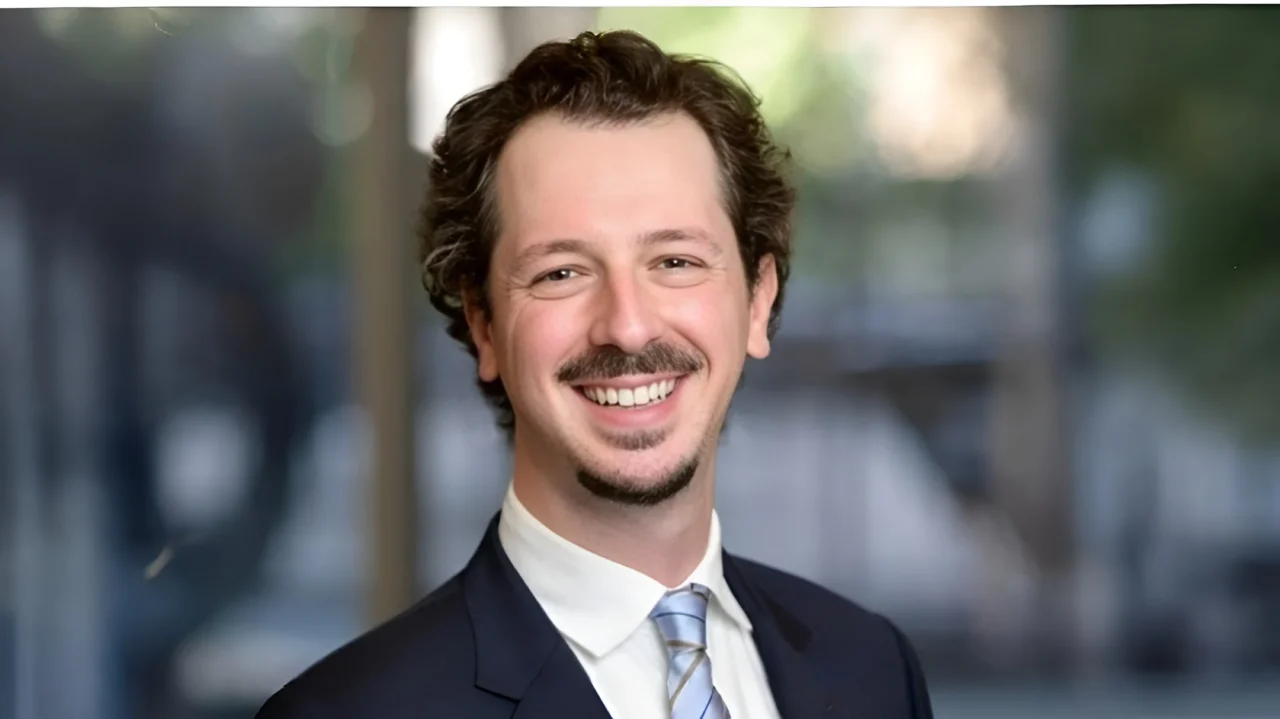
Josh Drago, Assistant Attending Physician, Breast Medicine Service at Memorial Sloan Kettering Cancer Center, shared a post on LinkedIn:
“Congratulations to superstar Sophia Zelizer for leading the effort on this manuscript!
Just out in Breast Cancer Research and Treatment.
Here, we aimed to investigate how well subsequent therapies work in patients with metastatic HER2-positive breast cancer who have already received T-DXd—a significant unmet need with no prospective data to guide treatment.
We looked at outcomes in >80 patients, and found that overall, the median progression-free-survival after T-DXd was just over 3 months, and no particular therapeutic approach clearly stood out as superior. We need to do better!
Interestingly, we found that the greatest predictor of subsequent treatment benefit was the reason for stopping T-DXd: Those who discontinued T-DXd due to toxicity, rather than disease progression, had significantly better outcomes on later therapy lines.
We also detected a signal that HER2 downregulation correlated with worse PFS on ensuing HER2-targeted therapies, but we had very few patients with paired biopsies—need to confirm this in larger dataset.
Caveats: This is a small retrospective series, with heavily-pre-treated patients.
But work like this can be hypothesis generating, especially with T-DXd contending as a first line treatment for metastatic HER2-positive breast cancer. We need to know what to do next. Trials are sorely needed here!”
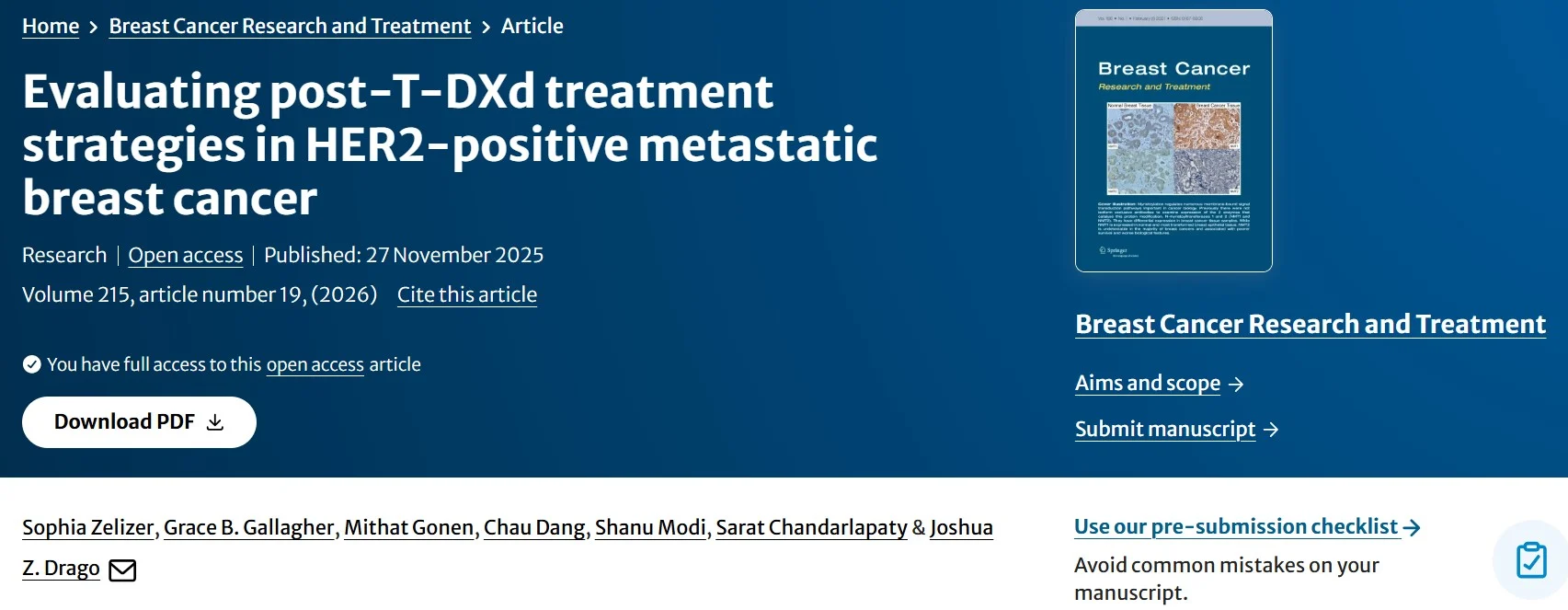
Title: Evaluating post-T-DXd treatment strategies in HER2-positive metastatic breast cancer
Authors: Sophia Zelizer, Grace B. Gallagher, Mithat Gonen, Chau Dang, Shanu Modi, Sarat Chandarlapaty and Joshua Z. Drago
You can read the full article in Breast Cancer Research and Treatment.