






Jordan Johnson, Founder and Principal at Bridge Oncology and Legal Data Expert, shared a post by Arpit Chhabra, Co-Founder of Bridge Oncology, on LinkedIn:
“The discussion around physician compensation in theranostics highlights a much larger issue: the traditional oncology operating model no longer fits.
A six-dose Pluvicto course generates less than half the physician work RVUs of a conventional external beam radiation therapy course, yet the responsibilities are often far greater. Physicians are leading multidisciplinary care, managing authorized-user requirements, coordinating pharmacy and isotope logistics, overseeing compliance, and providing longitudinal patient management – much of which is invisible to the wRVU model.
But compensation is only one challenge.
Health systems are also struggling with prior authorization, referral leakage, pharmacy cash flow, delayed reimbursement, charge capture, regulatory compliance, and building sustainable operational workflows. Theranostics is not simply another treatment – it is an entirely new service line that requires a different financial and operational strategy.
At Bridge Oncology, we help organizations look beyond wRVUs. We work with health systems to build sustainable theranostics programs through physician compensation strategy, operational design, revenue cycle optimization, pharmacy and infusion integration, compliance, analytics, and long-term financial planning.
The organizations that succeed won’t be the ones with the most technology – they’ll be the ones that build the right infrastructure to support it.
The future of theranostics isn’t just about delivering the next dose. It’s about building a program that can sustain the next decade of cancer care.”
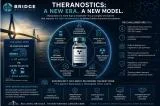
Quoting Arpit Chhabra’s post:
“The wRVU Trap in Theranostics
At Bridge Oncology, we are increasingly being asked to help health systems and practices address an emerging question:
How should physicians be compensated for building and managing theranostics programs?
A recent Practical Radiation Oncology article highlighted the mismatch: a 20-fraction EBRT course may generate approximately 47 wRVUs, compared with only 20.6 wRVUs for a complete six-dose Pluvicto course – despite the authorized-user responsibilities, longitudinal patient management and program oversight involved.
Potential structures may include:
- Protected theranostics FTE with adjusted EBRT productivity targets
- Medical director or program leadership compensation
- Defined theranostics productivity credits for work not adequately reflected by wRVUs
- Time-based compensation for documented nonbillable responsibilities
- Compensation components tied to quality, safety and patient access
Any model should be established in advance, commercially reasonable, supported by fair-market-value analysis and tied to identifiable physician services – not the volume or value of referrals.
Bridge Oncology, working alongside our healthcare legal and compliance partners, is helping organizations evaluate and structure physician compensation models for theranostics.
How is your organization approaching physician compensation for theranostics?
For health systems and practices working through this issue, feel free to reach out. We would welcome the opportunity to help.”
Other articles featuring Jordan Johnson and Arpit Chhabra on OncoDaily.