






Jemma Arakelyan, Medical Oncologist and CEO of Institute of Cancer and Crisis, shared OncoDily’s post on LinkedIn, adding:
“Ever wonder who actually writes the ‘bible‘ of cancer care?
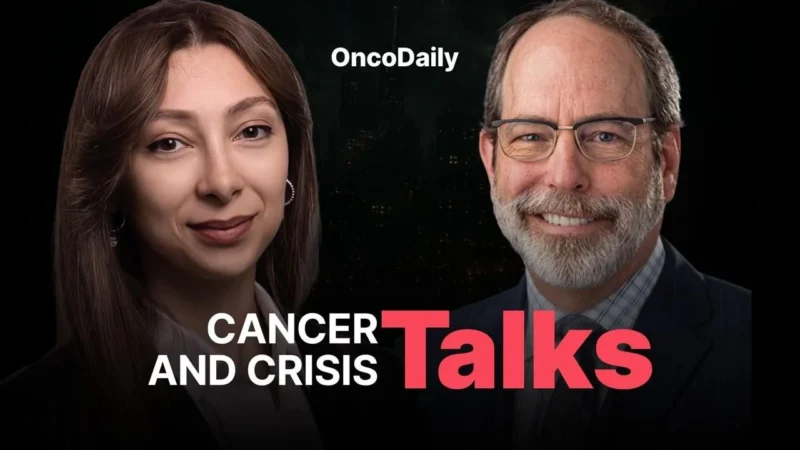
I recently had the chance to talk with Prof. Benjamin Anderson in the latest episode of Cancer and Crisis Talks.
He served as Vice Chair of the National Comprehensive Cancer Network (NCCN) Breast Panel and played a key role in writing the guidelines that are followed worldwide.
But here is where he differed from the rest:
- He didn’t assume one-size-fits-all.
- He recognized early on that settings are not the same, and accessibility is a real issue.
Instead of accepting this disparity, he did something revolutionary. He pioneered resource-stratified guidelines, creating care that adapts to what is actually available, whether you are in Seattle or sub-Saharan Africa.
Because where you live should not dictate your survival.
Dr. Anderson now leads the World Health Organization’s Global Breast Cancer Initiative. His mission? Avert 2.5 million deaths by 2040.
I left this conversation feeling inspired and convinced that equity is not an afterthought. It needs to be built into the guidelines themselves.”
Quoting OncoDaily’s post:
“Where You Live Shouldn’t Dictate Your Cancer Survival
Dr. Benjamin Anderson
In this episode of Cancer and Crisis Talks on OncoDaily, Dr. Jemma Arakelyan, MD, PhD sits down with Dr. Benjamin Anderson, Professor Emeritus of Surgery and Global Health Medicine at the University of Washington and former lead of the World Health Organization’s Global Breast Cancer Initiative, to discuss one of the most pressing challenges in global health: ensuring that access to quality cancer care does not depend on geography.
Dr. Anderson shares the personal journey that led him from academic surgery and laboratory science to becoming a pioneer in global breast cancer care.
He reflects on his experiences working in countries with limited healthcare resources, including Ukraine and Ghana, and explains how these encounters inspired the development of resource-stratified guidelines for breast cancer care – an approach that helps countries prioritize the most impactful interventions based on the resources available to them.
The conversation explores the realities of delivering cancer care in low- and middle-income countries, the importance of building sustainable healthcare systems, and the difficult decisions clinicians and policymakers face when resources are limited.
Dr. Anderson also discusses the WHO Global Breast Cancer Initiative, its goal of saving 2.5 million lives over 20 years, and why early detection, prompt diagnosis, and treatment completion are essential to improving outcomes worldwide.
This episode also examines cancer care during crises, including conflicts, natural disasters, and health system disruptions, while highlighting the importance of collaboration, data collection, and long-term planning in strengthening cancer services. Dr. Anderson shares valuable advice for young healthcare professionals interested in global oncology and explains why meaningful progress often comes through small, measurable steps rather than sweeping solutions.”
Where You Live Shouldn’t Dictate Your Cancer Survival | Dr. Benjamin Anderson
Other articles featuring Jemma Arakelyan on OncoDaily.