





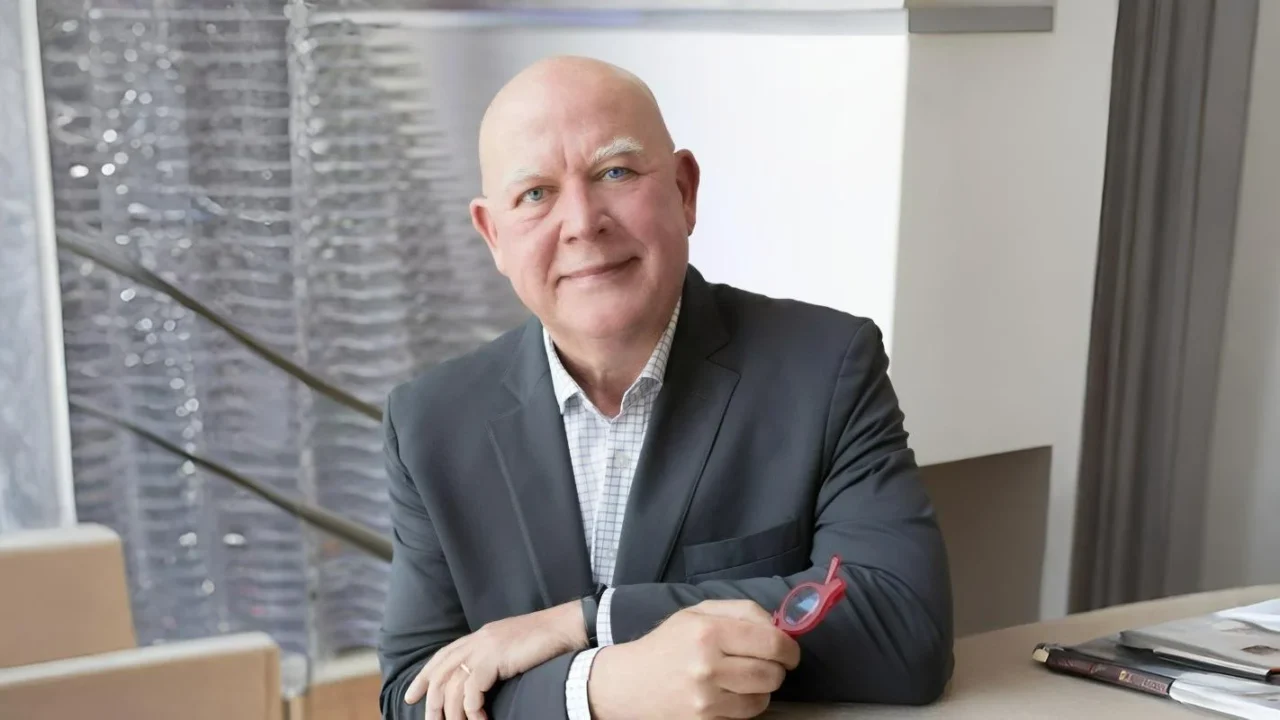
Jacques Galipeau, Associate Dean for Therapeutics Development at University of Wisconsin-Madison, shared a post by UW Carbone Cancer Center on LinkedIn:
“UW Carbone Cancer Center concludes a first-in-human Phase 1 MARSH Trial Targeting Severe Radiation-Induced Xerostomia.
The UW Program for Advanced Cell Therapy (PACT) today announced the completion of the MARSH Phase 1 clinical trial, a National Institute of Dental and Craniofacial Research–funded study investigating a novel personalized cell-based therapy for severe xerostomia following curative radiation treatment for head and neck cancer (NCT04489732).
The FDA Fast Track designated study, led by principal investigator Randall Kimple, treated its first participant on February 1, 2024, at the UW Carbone Cancer Center in partnership with UW Health and has now concluded.
The MARSH trial explored the use of culture-adapted, autologous bone-marrow–derived mesenchymal stromal cells (MSC) that were refreshed, interferon-γ activated, and directly injected into both submandibular salivary glands under ultrasound guidance. Initial dosing began at 10 million MSC per gland.
The 30-participant, single-site University of Wisconsin Phase 1 study incorporated a tiered dose-escalation and expansion design, with secondary endpoints focused on measurable improvements in saliva production.
The Phase 1 trial follows an FDA-mandated pilot involving six participants who received single-gland MSC injections. That earlier cohort experienced only mild adverse events and demonstrated objective, durable restoration of saliva production—an outcome rarely seen years after radiation-induced salivary gland failure.
The study also featured a fully integrated, place-of-care manufacturing model. Bone marrow harvest, MSC production and release was sponsored by UW Program for Advanced Cell Therapy outpatient administration executed by UW Carbone Cancer Center clinical team. This model is expected to serve as a future template for distributed cell-therapy manufacturing within academic health centers.
While past trials using MSC have struggled to reach clinical endpoints, investigators believe that the combination of refreshed cells, interferon-γ activation, and localized delivery to target tissue may represent an important technological step forward for MSC-based regenerative therapies.
With all participants now treated and follow-up data collection underway, investigators will begin analyzing safety and preliminary efficacy outcomes.
Results from the Phase 1 trial are expected to inform a future multicenter Phase 2/3 study designed for Biologics License Application (BLA) approval.”
Quoting UW Carbone Cancer Center’s post:
“Researchers at UW Carbone and UW Program for Advanced Cell Therapy recently completed a Phase I clinical trial of a novel personalized cell-based therapy developed at UW to treat severe dry mouth following curative radiation treatment for head and neck cancer.
This FDA Fast Track designated study was led by principal investigator Dr. Randall Kimple and involved 30 participants. The treatment involves modified bone-marrow–derived mesenchymal stromal cells (MSC) directly injected into patients’ salivary glands under ultrasound guidance. Extreme dry mouth is a common side effect of radiation for head and neck cancer, and there are currently no FDA-approved treatments for patients suffering from this issue.
We are incredibly excited about reaching this milestone. I’d like to thank the team who worked on this project, including the PACT and especially our patients who inspire us every day to seek new and improved treatments, Dr. Kimple says.
This phase I trial followed a pilot study with six participants who demonstrated objective, durable restoration of saliva production—an outcome rarely seen years after radiation-induced salivary gland failure. Now, investigators will begin analyzing safety and preliminary efficacy outcomes in preparation for additional clinical testing phases at multiple research centers.
This UW study also featured a fully integrated, place-of-care manufacturing model. Bone marrow harvest, MSC production and release was sponsored by PACT, and outpatient administration carried out by UW Health | Carbone Cancer Center clinical team. This model is expected to serve as a future template for distributed cell-therapy manufacturing within academic health centers.”
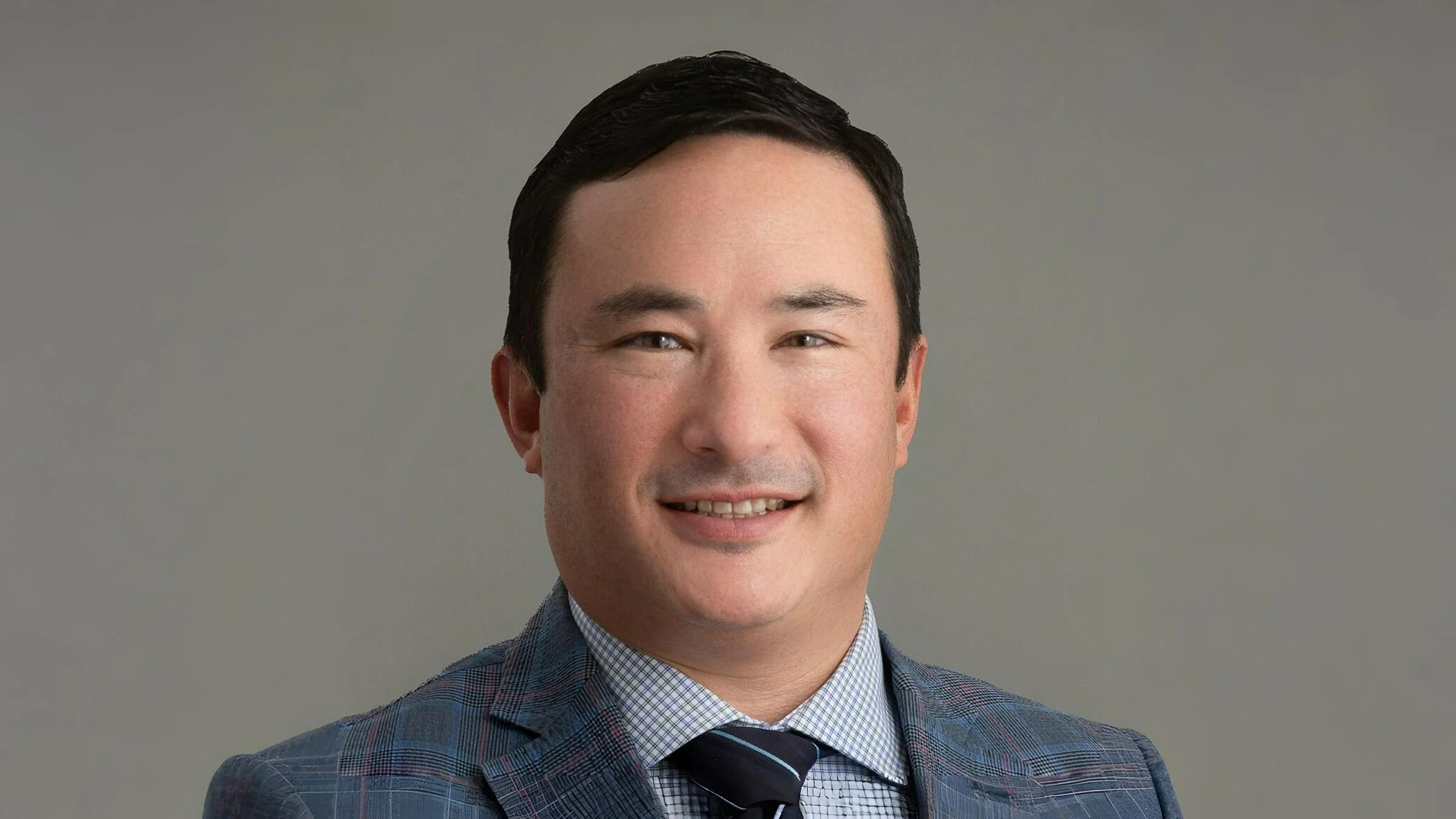
Randall Kimple